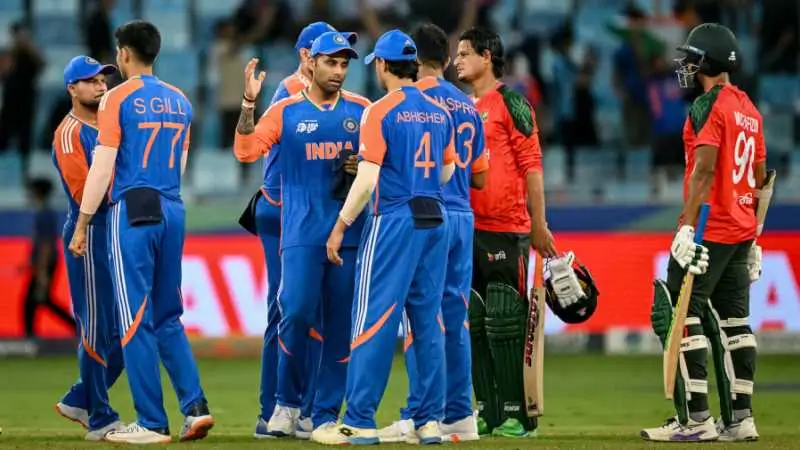
On paper, T20 cricket is designed to reduce gaps. Shorter formats, fewer overs, and high-variance outcomes are meant to give underdogs a fighting chance. Yet when India and Bangladesh meet in T20 internationals, that promise rarely materialises. The results show overwhelming dominance by India, but the real gap runs deeper than margins and scorelines.
Bangladesh’s solitary T20I win against India stands as an exception rather than a turning point. Even in matches where Bangladesh start well or post competitive totals, control slips rapidly. This article explores why that happens. Not through emotion or legacy, but through skill sets, exposure, and tactical depth.
The divide is not about intent. Bangladesh play aggressively. It is about execution under pressure, depth of resources, and adaptation speed. Modern T20 cricket rewards teams that can attack in phases, defend under chaos, and reset plans instantly. India have built systems around that reality. Bangladesh are still bridging the gap.
What follows is a nine-part breakdown of the structural, technical, and experiential reasons why India continue to dominate Bangladesh in T20Is — even when matches appear closer than they truly are.
Power-Hitting Is Not Just Strength — It Is Repetition and Range
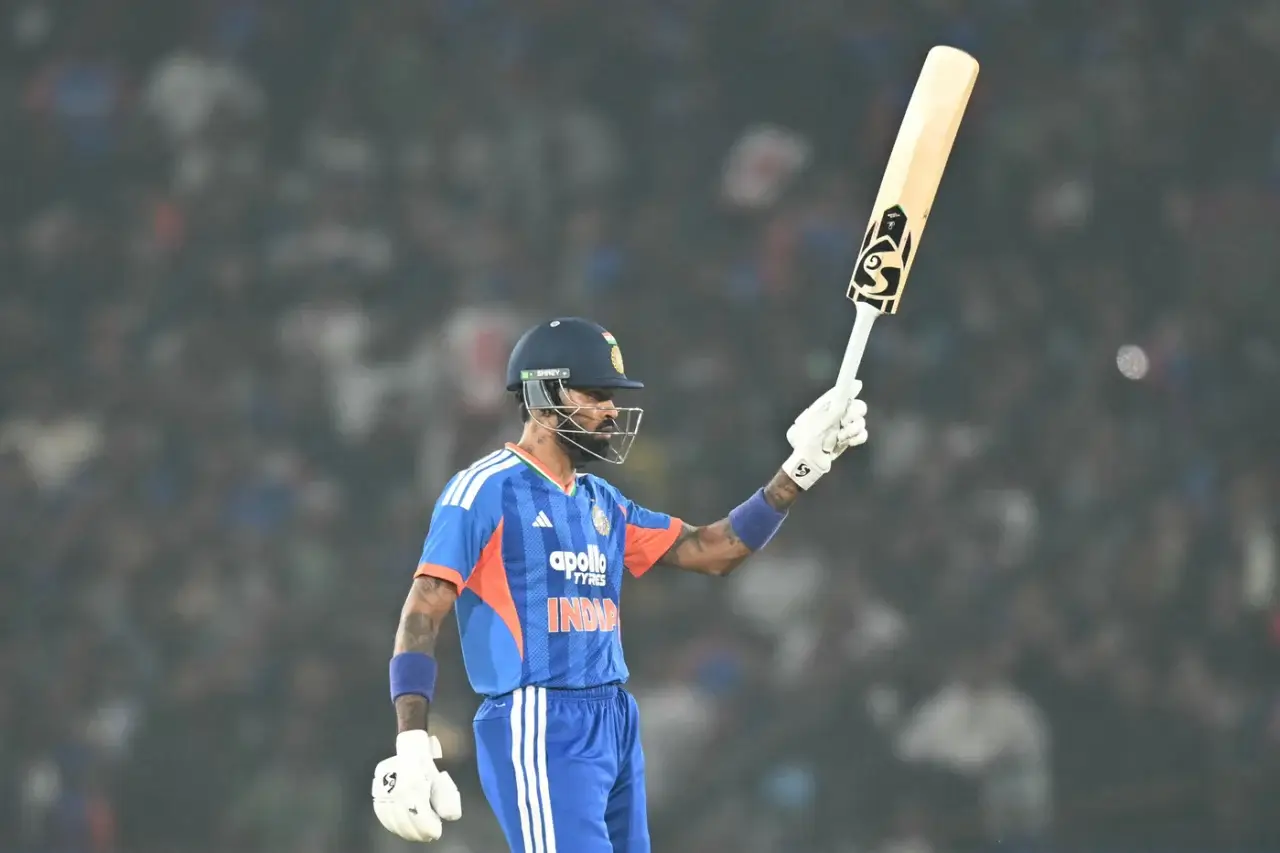
The most visible gap between India and Bangladesh in T20Is is power-hitting, but it is often misunderstood. This is not simply about who hits the ball harder. It is about range, repeatability, and shot access across bowlers and match phases.
Indian batters possess a wider hitting arc. They clear straight boundaries, hit spin against the turn, and muscle pace from hard lengths. Crucially, they can repeat those shots even after mistiming earlier deliveries. That repeatability comes from exposure to high-quality bowling on flat pitches where mistakes are punished instantly.
Bangladesh batters rely more heavily on timing and placement. When surfaces slow down, this works. When required run rates climb or bowlers miss less, options shrink. Big shots then become low-percentage attempts rather than controlled aggression.
Another key difference is boundary density. Indian line-ups can hit multiple boundaries in an over without changing intent. Bangladesh often require a specific ball or bowler to release pressure. Once that option disappears, dot balls accumulate quickly.
This is why Indian innings tend to accelerate sharply between overs 12 and 18, while Bangladesh’s momentum often stalls. Power-hitting in modern T20s is about sustaining pressure, not just creating it. India do both. Bangladesh manage the first, but struggle with the second.
Death Bowling Mismatch Exposes Bangladesh Repeatedly
If batting builds totals, death bowling protects them. This is where the India–Bangladesh gap becomes almost unavoidable. Indian death bowlers operate with clarity. Bangladesh death bowlers operate with hope.
India’s bowlers arrive at the final overs with predefined plans. Yorkers are attempted repeatedly. Slower balls are disguised, not guessed. Wide lines are protected by fields set in advance. Even when hit, bowlers return to their plan rather than chase variation.
Bangladesh’s death bowling tends to be reactive. A missed yorker leads to a change. A change leads to predictability. Batters sense uncertainty immediately. Once that happens, boundaries flow in clusters.
Another factor is pace. India’s death bowlers consistently operate above 140 kph or possess elite slower-ball skills. Bangladesh lack both depth and consistency in this department. One or two specialists cannot cover an entire innings.
This mismatch explains why Bangladesh struggle to defend even 180-plus totals against India. The issue is not the score. It is the inability to close innings under pressure. Modern T20 matches are decided in the last four overs. India win them far more often.
IPL Exposure Has Reshaped Indian Batting Thinking
The Indian Premier League is not just a tournament. It is an education system. Indian batters face the world’s best bowlers under relentless scrutiny every year. That environment reshapes how they think about T20 cricket.
In the IPL, batters learn that survival is not success. Impact is. They are trained to identify matchups instantly, exploit short windows, and accept risk as part of the process. This mindset transfers directly into international T20s.
Bangladesh players do not receive that level of exposure consistently. A few have played franchise cricket, but rarely as central figures. The difference lies in volume and responsibility. Indian batters carry innings in the IPL. Bangladesh players often play supporting roles elsewhere.
This matters in pressure moments. Indian batters are comfortable taking on elite bowlers at the death. They have done it hundreds of times. Bangladesh batters face those situations far less frequently.
The IPL has also normalised high scoring. Chasing 12 an over feels routine for Indian players. For Bangladesh, it still feels exceptional. That mental shift alone accounts for several lost matches.
Why Bangladesh Struggle to Defend Totals Against India?
Defending a total requires belief backed by skill. Bangladesh often have the belief. The skill depth is inconsistent.
When Bangladesh bat first, they tend to peak early. The first half of the innings looks controlled. The final five overs determine the result — and this is where India exploit gaps. Bowling options thin out. Fields spread. Mistakes multiply.
India bat deep. This forces Bangladesh to bowl their best options earlier than ideal. Once those overs are exhausted, control evaporates. India plan for this. Bangladesh react to it.
Another issue is flexibility. Indian teams defend totals using matchups, not fixed roles. Bangladesh rely heavily on set bowlers. When one has an off day, alternatives are limited.
This structural imbalance explains why Bangladesh often lose games they “should” win. T20s are not defended by averages. They are defended by execution under stress.
Fielding Pressure Adds Hidden Runs
Fielding rarely headlines analysis, but it quietly decides T20 games. India’s fielding intensity adds pressure every over. Singles are contested. Boundaries are saved. Mis-hits turn into wickets.
Bangladesh’s fielding has improved, but lapses still appear in key moments. One dropped catch in a T20 often costs 20 runs. Against India, it often costs the match. Indian batters exploit any drop instantly. Bangladesh cannot afford such margins.
Batting Depth Allows India to Absorb Failures
Indian teams expect top-order failures. They are built to survive them. Bangladesh teams are not.
When Bangladesh lose early wickets, caution replaces aggression. India respond to early losses by accelerating later. That difference reshapes innings trajectories.
Depth is not just personnel. It is trust. India trust their No.7 to win games. Bangladesh still protect their lower order.
Tactical Planning vs Reactive Adjustments
India enter T20Is with layered plans. Primary, secondary, and contingency. Bangladesh often operate with one plan.
When conditions change mid-game, India adjust instantly. Bangladesh adjust over overs, not balls. In T20s, that delay is decisive.
India treat pressure as routine. Bangladesh treat it as a challenge. That difference shows in body language, shot selection, and bowling rhythm. Experience at scale matters. India have it. Bangladesh are still accumulating it.
Why the Gap May Persist Without Structural Change?
Talent exists in Bangladesh. Progress is visible. But without consistent franchise exposure, elite death bowling development, and deeper batting trust, the gap will remain. India are not just better. They are better prepared for modern T20 realities.
India vs Bangladesh T20Is are not one-sided because of history. They are one-sided because of skill ecosystems. Power-hitting, death bowling, IPL exposure, and mental conditioning all favour India.
Until Bangladesh close those structural gaps, scorecards may fluctuate — but outcomes will not. This is why the T20I gap is bigger than it looks.