

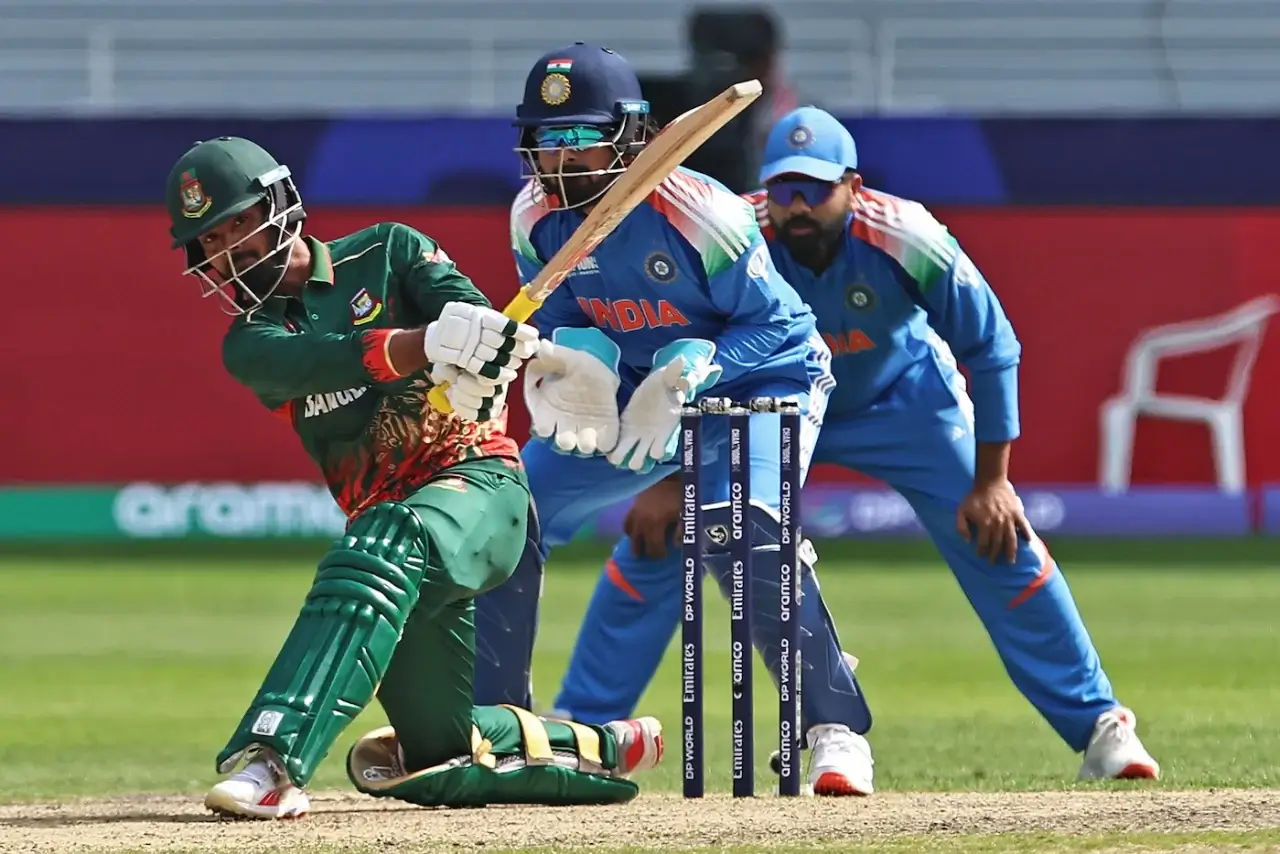
The India vs Bangladesh rivalry rarely arrives with noise, yet it consistently delivers tension. On paper, India usually appear superior in skill, depth, and experience. On the field, however, Bangladesh repeatedly drag matches into uncomfortable phases. Games stretch deeper than expected. Pressure moments arrive sooner than planned. Outcomes hinge on composure rather than dominance. This is why India vs Bangladesh contests often feel closer than scorecards suggest.
Bangladesh have learned how to contest India without matching them shot for shot. They slow tempo, target emotional patience, and force decision-making under stress. India, in response, treat these matches as tests of control rather than spectacle. Squad rotation, role clarity, and late-over execution matter more than margins. This article breaks down where clutch moments emerge in this rivalry, how India usually regain control, and why Bangladesh remain dangerous opponents when pressure peaks.
Why India vs Bangladesh Matches Always Enter Clutch Territory?
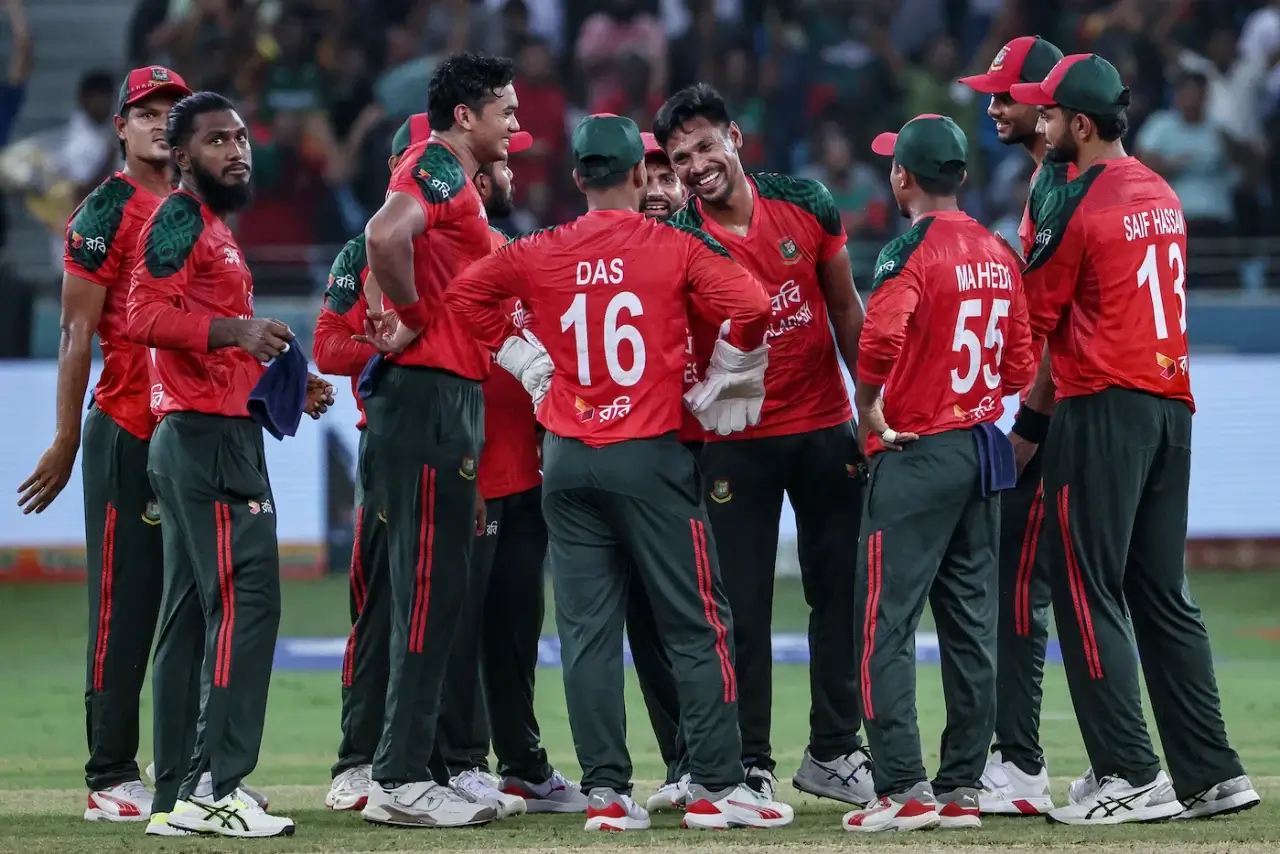
India vs Bangladesh matches rarely follow runaway scripts. Bangladesh focus on elongating games rather than winning phases quickly. Bowlers tighten lines early. Spinners reduce scoring options. Batters choose matchups carefully instead of chasing momentum. This deliberate slowdown compresses run-rate margins and increases the value of every over. India are forced to adapt rather than dictate freely.
As matches slow, pressure shifts subtly. India may still control resources, but they must work harder for separation. Bangladesh thrive in this grey zone. They understand that discomfort, not dominance, creates opportunity. This is why even when Bangladesh trail, the contest feels alive deep into the innings. Clutch situations are not accidents in this rivalry. They are engineered.
Bangladesh’s Ability to Drag India Into Late-Game Pressure
Bangladesh’s biggest strength against India is patience. They rarely chase early wickets recklessly. Instead, they build pressure through dots, soft singles, and delayed breakthroughs. This approach frustrates India’s rhythm-based batters. Momentum stalls without obvious mistakes. Required rates climb quietly rather than explosively.
With the bat, Bangladesh show selective aggression. They target specific bowlers and avoid unnecessary risks. Even modest partnerships extend games into decisive overs. This forces India to rely on execution rather than comfort. Bangladesh may not dominate these phases statistically, but they succeed psychologically by keeping outcomes uncertain for longer than expected.
India’s Clutch Advantage: Experience and Role Discipline
India usually regain control because of experience density. Senior players understand when restraint matters more than expression. Batters resist forced strokes during slow phases. Bowlers trust defensive fields without searching for instant wickets. This discipline is critical once games tighten.
Role clarity also plays a decisive role. Finishers know when acceleration is required. Anchors recognise moments to absorb pressure instead. Bowlers operate within defined phases rather than reacting emotionally. Against Bangladesh, this clarity allows India to survive extended periods of discomfort without panic, which eventually shifts pressure back onto the opponent.
Bowling Under Pressure: How India Close Tight Games
India’s bowling during clutch phases focuses on denial rather than destruction. Seamers hit hard lengths consistently. Spinners block release shots instead of chasing dismissals. Field placements protect boundaries first and singles second. This approach frustrates Bangladesh’s calculated aggression.
Key overs are often held back for emotional moments. When Bangladesh sense opportunity, India respond with their most reliable options. This timing matters more than raw pace or turn. As dot balls accumulate, Bangladesh are forced to manufacture risks. Wickets then arrive as consequences rather than objectives.
Batting in the Final Overs: India’s Calm vs Bangladesh’s Urgency
Late in chases or defenses, India’s batting remains measured. Strike rotation continues even when boundaries dry up. Communication between partners stays clear. This calm contrasts with Bangladesh’s increasing urgency as margins shrink. Shots become harder to find. Options narrow.
India benefit from players who have repeatedly operated in these situations. They understand that panic accelerates failure. Even when runs slow temporarily, they trust end-game execution. Bangladesh, by contrast, often feel compelled to force breakthroughs quickly, which can undo earlier discipline.
Fielding and Small Moments That Decide Close Encounters
In clutch contests, small moments often outweigh big overs. India’s fielding usually holds steady under stress. Misfields are limited. Catching standards remain consistent even late in the game. These details preserve pressure rather than releasing it.
Bangladesh compete fiercely but sometimes lose sharpness when fatigue sets in. A missed run-out or extra single can shift momentum disproportionately in tight games. India capitalise on these moments by immediately tightening control. The cumulative effect of marginal gains often decides the final outcome.
India vs Bangladesh contests highlight a broader truth about modern cricket. Matches are increasingly decided in compressed pressure windows rather than extended dominance. Teams that manage tempo, emotion, and roles succeed more often than those chasing momentum alone.
Bangladesh have mastered the art of creating discomfort. India have mastered the art of surviving it. This dynamic ensures the rivalry remains competitive regardless of rankings. Scorecards may flatter India, but match flow tells a richer story. In clutch cricket, control matters more than flair, and patience often outlasts ambition.

