

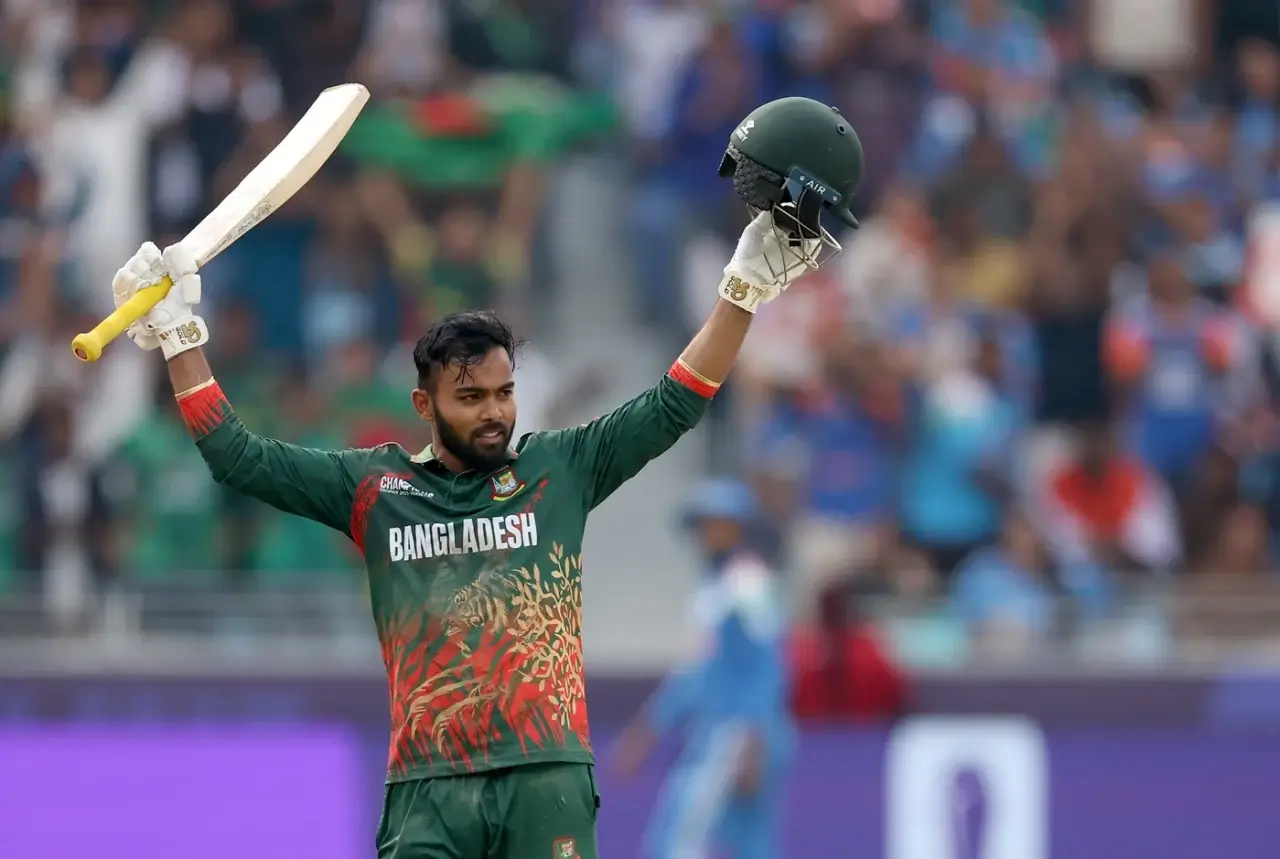
The rivalry between the Indian cricket team and the Bangladeshi cricket team has undergone significant changes over the years. What once looked like a one-sided contest has evolved into a rivalry marked by emotion, pressure, and frequent high-stakes encounters. Matches between these two sides rarely feel routine now. Every format brings tension, noise, and narratives that stretch beyond cricket.
Bangladesh no longer approach India with caution alone. They arrive with a belief built through hard-earned wins and close finishes. India, meanwhile, treats these games with greater seriousness than before. Familiar conditions, vocal crowds, and tactical challenges have added layers to the contest. This rivalry now thrives on context, not just results. Understanding its evolution helps explain why India-Bangladesh matches consistently draw attention and search interest today.
Table of Contents
ToggleThe Early Years Were Defined by Indian Dominance
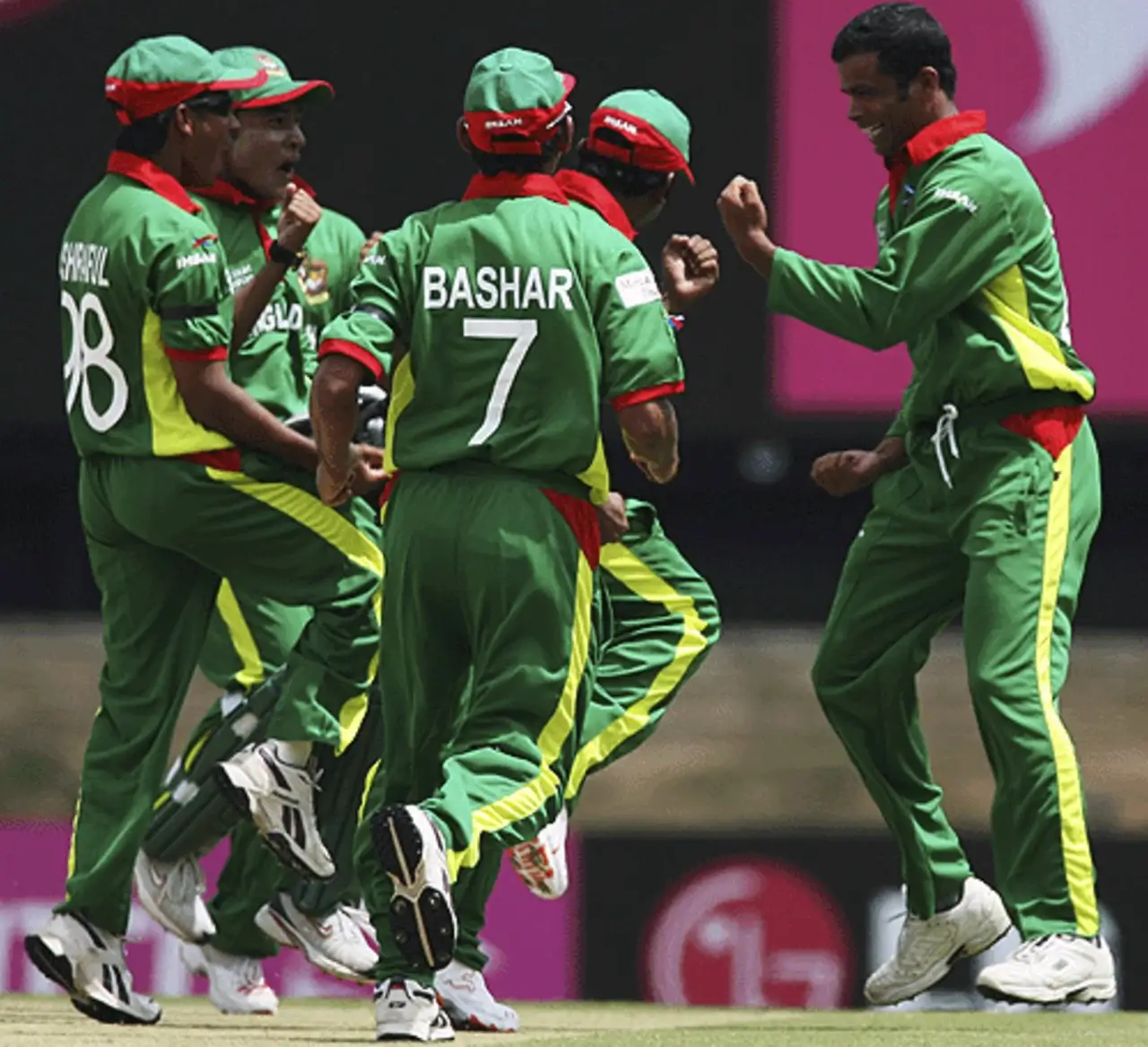
In the early phase of this rivalry, India controlled almost every encounter. Bangladesh was still developing its cricketing structure. Experience gaps showed clearly in technique, temperament, and depth. India’s batting lineups dominated, while their bowlers were regularly exposed to inexperience.
These matches often ended quickly and predictably. For India and Bangladesh, the fixtures felt like preparation games. For Bangladesh, they were learning opportunities rather than contests. The gap in resources and exposure was visible. This phase established the baseline narrative of imbalance that continues to influence public perception today.
However, those early defeats also shaped Bangladesh’s mindset. They highlighted exactly what needed improvement. Over time, those lessons would fuel a more competitive phase.
Bangladesh’s Rise Changed the Rivalry’s Tone
The rivalry shifted once Bangladesh began investing in domestic cricket and player development. Wins against India in limited-overs cricket started changing confidence levels. Home conditions became a weapon rather than a comfort. Crowds added intensity to every session.
Bangladesh no longer aimed to survive. They aimed to challenge. Series wins at home altered the psychological balance. India, accustomed to control, suddenly faced resistance. Tight finishes replaced one-sided scorelines.
This phase transformed the rivalry’s identity. Matches became emotionally charged. Celebrations grew louder. Pressure increased for both teams. The contest was no longer about hierarchy. It was about momentum.
ICC Tournaments Added Fuel to the Contest
Global tournaments magnified every India vs Bangladesh meeting. World Cup clashes brought national pride into sharper focus. Bangladesh treated these games as statements. India approached them cautiously, knowing reputations were at stake.
Close finishes in ICC events intensified scrutiny. Bangladesh’s fearlessness surprised many. India’s composure was tested repeatedly. Every win or loss shaped narratives for years.
These matches gained long-term relevance. Fans remembered moments, not just results. Tournament encounters turned bilateral rivalry into global talking points. That exposure elevated the contest significantly.
Bilateral Series Became More Competitive Than Expected
In bilateral series, Bangladesh often push India harder than rankings suggest. Familiar pitches reduce India’s advantage. Spin-heavy conditions challenge visiting batters. Bangladesh bowlers exploit patience lapses effectively.
India still hold the edge overall. But margins have narrowed. Series are no longer decided early. Individual matches swing on small moments. That competitiveness keeps the rivalry alive across formats.
These series matter for rankings and confidence. Both teams approach them strategically. The rivalry now lives in sustained pressure, not occasional upsets.
Key Player Battles Shape Every Series
Every India vs Bangladesh series features defining player matchups. Indian batters face disciplined spin attacks. Bangladesh’s top order confronts varied pace and bounce. These duels often decide matches.
Veteran leadership clashes with youthful aggression. Tactical awareness meets emotional intensity. Individual performances carry heavy narrative weight. One spell or innings can shift series momentum.
These player battles drive fan interest. They generate discussion, previews, and analysis. For SEO, such matchups create strong internal linking opportunities within rivalry coverage.
Crowds and Conditions Add Unique Pressure
Matches in Bangladesh bring unmatched crowd energy. Noise levels stay high regardless of the match situation. Indian players face constant engagement from the stands. That atmosphere tests concentration and temperament.
Home conditions further complicate matters. Slow pitches, sharp turns, and humidity challenge preparation. Bangladesh maximizes these factors smartly. India must adapt quickly or fall behind.
These external pressures elevate the rivalry beyond skill alone. Mental strength becomes decisive. That environment explains many close finishes.
Modern India treats Bangladesh as a Serious Threat
India’s approach has evolved noticeably. Squad selections reflect respect. Senior players are rarely rested casually. Tactical planning feels sharper.
This shift acknowledges Bangladesh’s progress. India understands that complacency invites trouble. Preparation now mirrors that for stronger opponents. That recognition alone marks how far the rivalry has come.
Mutual respect has replaced dismissal. Competitive balance, even if imperfect, defines the modern era.
Why This Rivalry Continues to Grow Online?
Search interest around India vs Bangladesh continues rising. Fans look for history, timelines, and turning points. The rivalry offers emotional hooks and recurring drama. That makes it ideal for internal-link clusters.
Content depth matters here. Articles that explain evolution, not just results, perform better. This rivalry supports multiple angles, formats, and updates. It remains evergreen with every new series.
From an SEO perspective, this matchup has long-term value. Proper internal linking can strengthen authority across related pages and help boost rankings.
Conclusion
The India vs. Bangladesh fixture is no longer a predictable one. It is a rivalry shaped by growth, belief, and repeated pressure moments. India still holds historical dominance, but Bangladesh has earned respect through persistence and performance. Every encounter now carries narrative weight.
For fans and search engines alike, this rivalry delivers context-rich content. It combines history with modern relevance. That balance keeps it alive and ranking-friendly. With the right internal linking strategy, this topic can anchor a strong cricket content cluster and help naturally push rankings from fifth to the top three.