

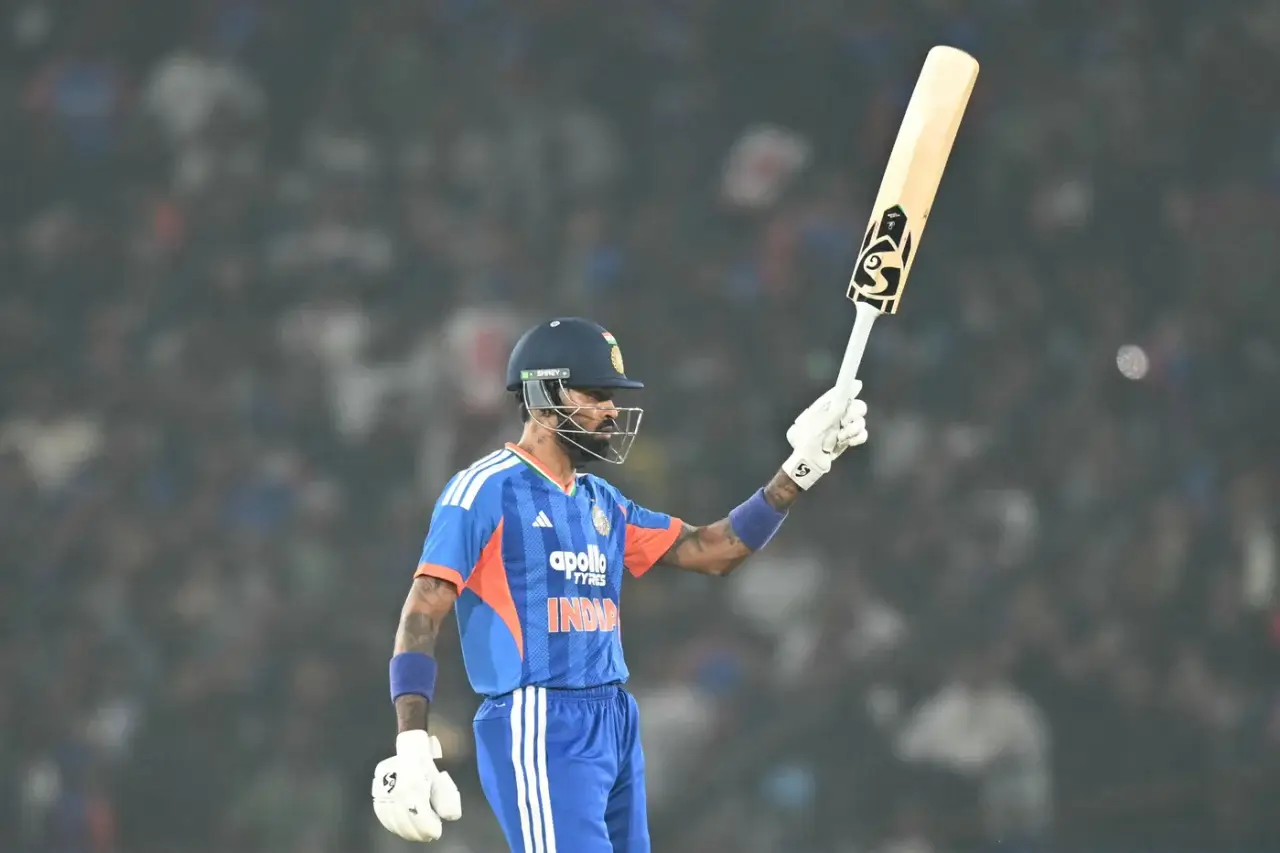
India’s approach to workload management has reached a decisive point. With the T20 World Cup firmly shaping every white-ball decision, the team management is expected to rest Jasprit Bumrah and Hardik Pandya from the upcoming three-match ODI series against New Zealand.
This is not a response to injury, form, or external pressure. It is a deliberate recalibration of priorities. In an increasingly congested calendar, India is no longer treating all bilateral series equally. Instead, they are aligning player availability with peak-impact windows.
Both Bumrah and Pandya remain central to India’s white-ball blueprint. Their absence from the ODIs is strategic, designed to preserve physical sharpness for the five-match T20I series that follows. The message is clear. Precision now outweighs volume. The ODI squad announcement in early January will quietly reinforce that shift.
Table of Contents
ToggleWhy the New Zealand ODIs Have Slipped Down the Priority List?
India’s white-ball planning is now driven by a single axis. Everything feeds into the T20 World Cup. That reality has reordered importance across formats and series.
The New Zealand ODIs offer limited tactical upside. Conditions are familiar. Opposition patterns are well mapped. The margin for new learning is small. The physical cost, however, remains high.
For high-impact players like Bumrah and Pandya, every additional over increases cumulative risk. Bilateral ODIs no longer justify that cost. Resting them now allows targeted intensity later, when outcomes truly matter. This is not caution. It is a calculated conversation, similar to India’s approach with four spinners in the CT 2025.
Jasprit Bumrah Is Being Managed as a Long-Term Match-Winner
Bumrah has not featured in an ODI since the 2023 World Cup final. That absence is intentional, not coincidental. His bowling action, sustained pace, and death-over workload demand long-term thinking.
India views Bumrah as irreplaceable in T20 cricket. His value lies in short, high-stress spells where margins are minimal, and execution is decisive. Overusing him in bilateral ODIs offers diminishing returns.
By skipping the New Zealand series, Bumrah remains fresh for the T20Is, where his impact per over is maximised. India is not protecting him from injury. They are protecting their most valuable bowling asset for when it matters most.
Hardik Pandya’s Preparation Is About Balance, Not Match Count
Pandya’s importance comes from versatility. He balances the XI through batting depth, seam overs, and leadership presence. That balance only functions when fitness is uncompromised.
He has not played an ODI since the Champions Trophy final in March. Recurring fitness management has carefully shaped his schedule. Unlike others, Pandya operates almost exclusively in white-ball cricket, increasing workload concentration.
From the management’s perspective, ODIs are expendable in their preparation arc. T20 rhythm matters more. Power hitting. Short bowling spells. Tactical flexibility. Pandya is being preserved for that exact role.
Domestic Cricket as Controlled Conditioning, Not Exposure
Despite resting from internationals, Pandya is expected to turn out for Baroda in the Vijay Hazare Trophy. This aligns with the BCCI’s domestic participation directive without undermining workload goals.
Domestic fixtures offer controlled intensity. Travel demands are lower. Recovery windows are flexible. Pandya is likely to feature in select games rather than a full run, ensuring match sharpness without overload.
This approach transforms domestic cricket into preparation rather than pressure. It also reflects a smarter use of the domestic calendar for elite players.
Kohli and Rohit Follow a Different Preparation Model
Senior batters Virat Kohli and Rohit Sharma have chosen a contrasting route. Both featured in early Vijay Hazare Trophy matches for Delhi and Mumbai, respectively.
Their participation serves a rhythm rather than fitness testing. Batting workloads scale differently from fast bowling or all-round roles. Neither carries the same injury risk profile as Bumrah or Pandya.
Mumbai Cricket Association officials have confirmed Rohit’s domestic duties are complete. Both players are expected to rejoin the ODI squad directly, reflecting clarity in role and preparation.
Shreyas Iyer Remains the Selection Variable
Shreyas Iyer remains the only unresolved piece in India’s ODI selection puzzle. Recovering from spleen surgery, he is currently training at the BCCI Centre of Excellence.
Sources suggest he could play Mumbai’s January 3 Vijay Hazare match to assess match readiness. That appearance may directly influence selection.
Unlike Bumrah and Pandya, Iyer’s case is not about rest. It is about recovery. India’s middle-order balance depends heavily on his fitness, making this decision performance-driven rather than strategic.
What This Selection Philosophy Reveals About India’s Planning?
India is no longer managing the series independently. They are managing competitive cycles. The New Zealand ODIs fall outside the primary cycle.
Resting Bumrah and Pandya reflects confidence in squad depth and clarity in objectives. The focus is no longer on continuity for its own sake. It is on arriving at major tournaments in peak condition.
This shift may frustrate traditionalists. It also mirrors the realities of modern international cricket, where impact outweighs accumulation.
The upcoming ODI series will proceed without two of India’s most recognisable names. That absence should not be mistaken for complacency.
Instead, it reflects evolution. Selection is now driven by optimisation. Fitness windows, role clarity, and match impact dictate decisions.
Bumrah and Pandya will return for the T20Is. When they do, they will be fresh, sharp, and central to India’s plans. That is not rest for rest’s sake. It is a deliberate strategy built around winning when it matters most.

