

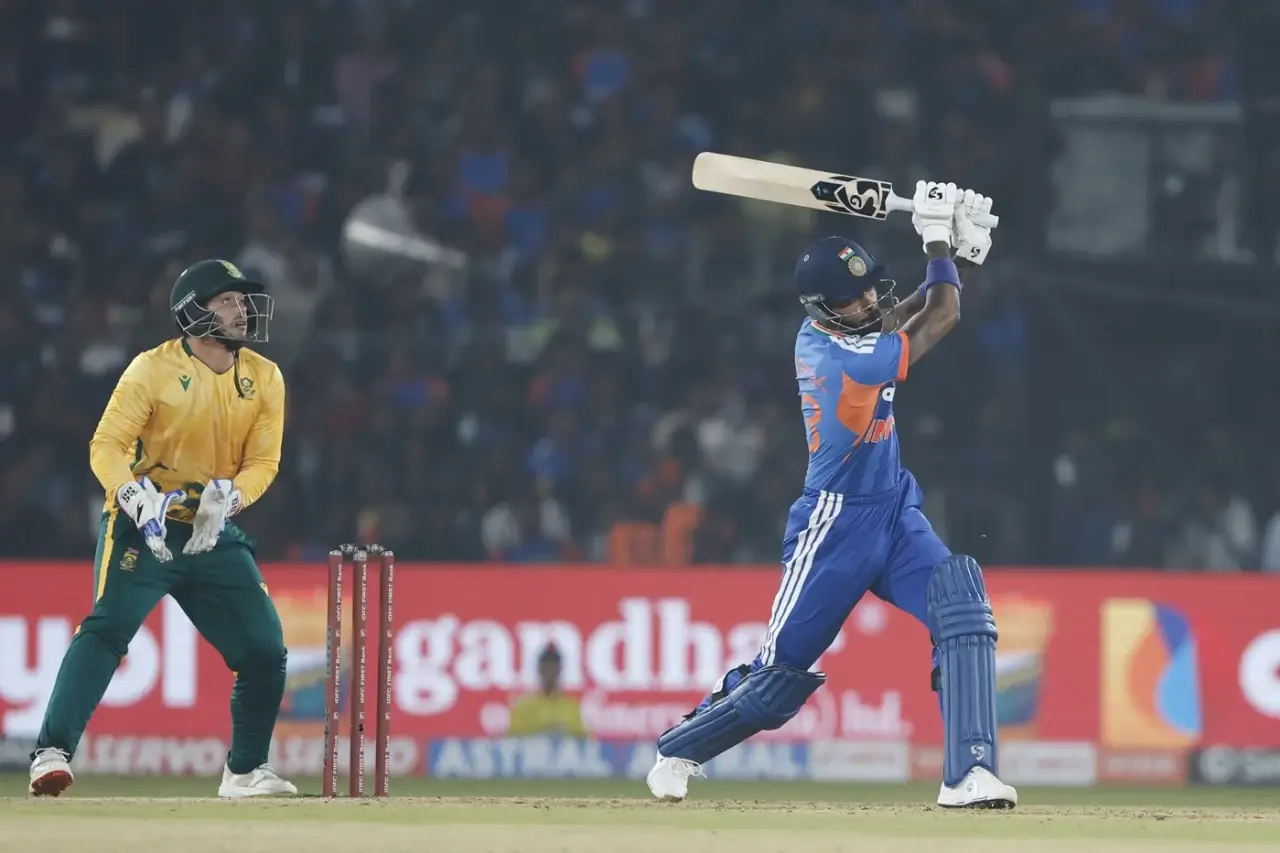

India arrives in Lucknow with momentum firmly on their side. Another win would extend their dominance in the T20I series. The hosts have controlled key moments across this series. South Africa now faces pressure that goes beyond just this match.
The series score reflects contrasting trajectories since the last T20 World Cup. India has grown sharper, deeper, and more adaptable. South Africa has struggled to find stability, especially with the bat. That imbalance has shaped results more than individual brilliance.
Lucknow offers familiar winter conditions and a limited margin for error. The contest is less about rivalry and more about direction. India seeks continuity, while South Africa requires urgent answers. This match could define how both teams approach the coming year.
Why Does the Lucknow Match Hold Bigger Significance?
This match is not just about sealing a series; it’s about securing a spot in the finals. It is about validating preparation methods before a global tournament. India’s recent success has come while experimenting without sacrificing results. That balance keeps competition alive within the squad.
South Africa, however, is still searching for their best white-ball structure. Frequent batting collapses point to planning issues, not isolated failures. Being bowled out repeatedly has exposed fragile decision-making under pressure. Lucknow becomes a test of adaptability, not talent.
Both teams are using this series as a learning phase. The difference lies in execution and clarity. India appears settled even when rotating roles. South Africa remains unsettled despite rotating personnel.
Lucknow Pitch and Weather Conditions Explained
The Ekana Stadium is expected to play similarly to recent north Indian venues. Evenings will be chilly with the possibility of early fog. Dew is likely to significantly influence the second innings. Pacers should enjoy movement with the new ball.
Recent T20 games here have produced moderate totals. Scores around 160 have remained competitive under lights. Spinners often struggle once the dew settles in. Teams batting second may find conditions more manageable later.
Captains may prefer chasing due to changing conditions. Bowlers who hit hard lengths early could control the tempo. Batters will need patience rather than constant aggression. Shot selection could decide momentum swings.
India Team News and Selection Thinking
India has been forced into one change due to Axar Patel’s injury. Shahbaz Ahmed has been included as a replacement option. Jasprit Bumrah’s availability remains officially unconfirmed. However, signs suggest he may return for this match.
India’s strength lies in role clarity across departments. The top order provides intent without recklessness. The middle order offers flexibility based on match situations. Bowling combinations have remained effective regardless of conditions.
Management appears focused on refining combinations rather than chasing short-term outcomes. That approach has kept performances consistent. Even individual lean patches have not disrupted results. India looks composed heading into Lucknow.
Probable XI – India
Abhishek Sharma and Shubman Gill are expected to open again. Tilak Varma provides stability through the middle overs. Suryakumar Yadav continues to lead despite recent form concerns. Hardik Pandya and Shivam Dube add balance with bat and ball.
Jitesh Sharma offers finishing depth lower down. One of Harshit Rana or Washington Sundar may play depending on conditions. Arshdeep Singh remains vital with the new ball. Bumrah’s inclusion would strengthen death-over control. Varun Chakaravarthy leads the spin attack.
South Africa’s Struggle for Balance and Stability
South Africa’s tour has been marked by inconsistency across formats. While there have been isolated positives, collapses have dominated narratives. The batting order has lacked clarity under pressure. Lower-order resistance has been particularly absent.
Rotation has prevented fatigue, but it has also disrupted the rhythm. Players have not had extended runs to build confidence. Bowlers have often performed better than results suggest. However, defending low totals has limited their impact.
Lucknow offers South Africa a chance to reset its approach. Reading conditions will be better. Over-attacking has cost them wickets early. A more measured batting plan may be necessary.
Probable XI – South Africa
Quinton de Kock is expected to continue opening duties. Aiden Markram remains central to anchoring the innings. Tristan Stubbs and Dewald Brevis add aggression through the middle. David Miller’s finishing role remains crucial.
Donovan Ferreira and George Linde offer depth but need support. Marco Jansen leads the pace-bowling unit. Nortje provides speed, while Baartman adds control. The balance depends heavily on batting discipline.
Key Tactical Battles That Could Decide the Match
India’s pacers against South Africa’s top order remains decisive. Early wickets have exposed South Africa repeatedly. Varun Chakaravarthy’s control against middle-order hitters is another factor. Dew management during death overs will test both sides.
Suryakumar Yadav’s role against spin remains under focus. Markram’s ability to pace an innings could define South Africa’s total. Powerplay intent without damage will be crucial. Small phases may swing the result.
This match may hinge on decision-making rather than skill. Teams that adapt fastest will gain control. Conditions reward patience more than bravado. That suits India’s current approach.
What a Result Here Could Mean Going Forward?
An Indian win would confirm continuity and clarity. It would underline their sustained dominance in bilateral T20I series. The team would move closer to finalising World Cup combinations. Confidence would remain high without masking weaknesses.
A South African defeat would deepen concerns before a crucial phase. Questions around batting structure would grow louder. Player rotation would face sharper scrutiny. Confidence heading into future tournaments could suffer.
Lucknow is not just another stop on the calendar. It represents a moment of reckoning for one side. For the other, it is about staying ahead of the curve.