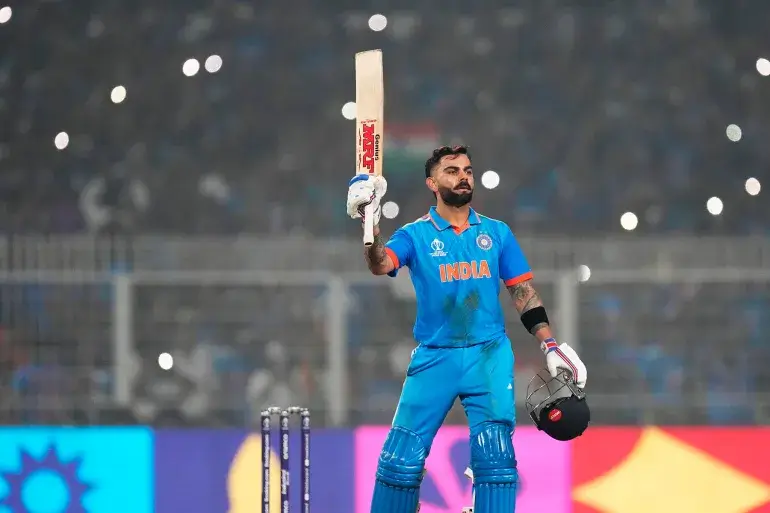
India’s 17-run win in Ranchi was less about dominance and more about composure. A total of 349 always looked competitive, but in Indian winter dew, no target is safe. What India needed were defining contributions — and they arrived from the experienced, the emerging, and the unpredictable. Virat Kohli crafted a majestic 135. Harshit Rana announced himself with the new ball. Kuldeep Yadav stole the momentum back when the game was slipping away. Every piece mattered in a match where the pitch and conditions changed dramatically across both innings.
South Africa came within striking distance despite being 11 for 3 inside the first four overs. The dew arrived, the ball skidded, and their middle order counter-attacked brilliantly. Marco Jansen, Matthew Breetzke and Corbin Bosch produced innings that kept India guessing deep into the final overs. But India’s early strikes and timely breakthroughs kept just enough distance between hope and heartbreak inspite having the greatest timelines.
This match was a reminder of modern ODI cricket in India: bat first, build a cushion, pray through the dew, and trust your spinners to find magic in fleeting windows. India did all of that — and barely survived.
A Fresh Angle — How India Won the Match Before South Africa Began Chasing
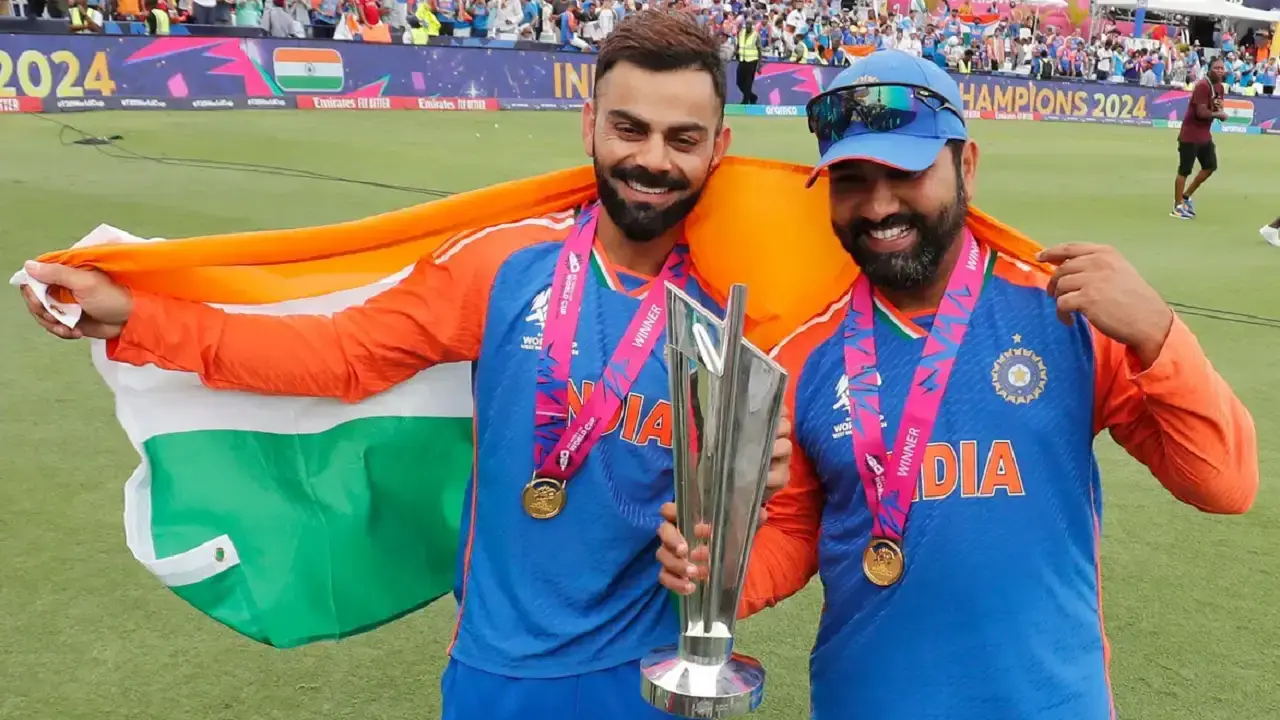
India’s win didn’t begin in the final overs. It began in the first 21 overs of their innings. Kohli and Rohit played with a clarity that has defined their best years together. The pitch was slower than expected in the afternoon, the older ball gripped, and timing became unreliable. But India’s two senior batters anticipated this shift early, attacking the new ball before it softened.
Their 136-run stand wasn’t just about runs. It was a psychological preamble. It forced South Africa to chase under lights, and under dew — the worst possible combination for a defending side. India knew that the pitch would ease out drastically, which is why their surge in the first half mattered so much. Those 161 runs by 21.2 overs were worth double by the time the dew glistened on the Ranchi outfield.
Later, when Ruturaj and Sundar struggled for timing, Kohli adjusted. He switched from domination to accumulation, keeping India afloat while wickets fell around him. KL Rahul’s measured 60 stitched the innings into shape again, and Kohli’s late burst pushed the total beyond the immediate reach of South Africa’s lower middle order. This wasn’t an innings; it was a blueprint.
Rohit Sharma’s Six-Hitting Record Adds Historical Weight to the Match
Rohit Sharma’s contribution in Ranchi came with historical resonance. When he pulled Marco Jansen into the crowd to complete his third six, he marched past Shahid Afridi to become the highest six-hitter in ODI history. The crowd celebrated the milestone, but its significance extends beyond numbers: Rohit’s six-hitting is central to India’s modern ODI philosophy.
His assault in the powerplay — especially the slog-swept sixes off Pernemal Subrayen — transformed the innings’ tempo. India’s eighth six in the first 20 overs marked their best-ever start in that phase. It forced South Africa to abandon their lengths, abandon their plans, and feed into India’s early scoring rhythm.
Rohit’s record is part of a larger evolution. Once a timing-based batter, he now leads the world in raw hitting volume — sixes against pace, sixes against spin, sixes in World Cups, sixes in a year, sixes against individual nations. Ranchi became another entry in his ever-growing legacy book. And fittingly, it came in a match India needed every extra run of.
Virat Kohli’s 52nd ODI Hundred: A Knock of Timing, Restraint and Fury
Virat Kohli’s 135 was more than a hundred — it was a layered performance. He began with rare aggression, hitting two sixes in the first 10 overs for the first time when batting first in his career. Then, when the pitch slowed down and partners struggled, he switched gears. Singles, twos, nudges, and shape. No fuss, no panic.
But once he reached three figures, something changed. The celebration was charged, emotional, even cathartic. It was his first ODI hundred since February. The scrutiny around his future has intensified, especially with him playing just one format. He responded with intent. Two more sixes followed, and 35 runs came in his next 17 balls. It was the second wind of a batter still thriving in pressure.
Kohli’s knock anchored India’s innings while carrying the weight of expectations, narrative and legacy. It was his 52nd ODI century — and arguably one of his most tactical ones.
Harshit Rana’s New-Ball Burst Turns the Match Early
South Africa were chasing 350 under lights — a tough ask even with dew. But Harshit Rana made it nearly impossible early on. His second over was a statement of raw skill and mental clarity. The deliveries swung, seamed, and kissed the edges with precision. Ryan Rickelton and Quinton de Kock fell for ducks, both undone by movement they didn’t expect on a Ranchi pitch typically slow under the sun.
Even Aiden Markram, usually calm, made a rare misjudgment, trying to force a cut shot off Arshdeep and edging behind. At 11 for 3, South Africa needed a miracle to stay in the game.
Rana’s spell didn’t just fetch wickets — it flipped the match conditions. Those strikes made India’s middle-overs spinners relevant despite the dew, buying time for Kuldeep’s decisive intervention later.
Kuldeep Yadav’s Twin-Wicket Over Breaks South Africa’s Momentum
South Africa rebuilt bravely through Breetzke, Brevis and Jansen. Their partnerships of 66, 60 and 97 kept India nervous. And with the dew turning the ball into soap, India had only brief windows to operate with spin.
Kuldeep Yadav waited for his moment — and then seized it.
In one over, he dismissed Jansen (70 off 39) and Breetzke (72) to choke South Africa’s march. It was a classic Kuldeep over: a deceptive long-hop inducing a mishit, followed by drift that dragged the batter into error. The match’s heartbeat slowed instantly.
Washington Sundar struggled with grip. Fast bowlers lost swing. But Kuldeep’s dual strikes softened the chase just enough for India to wrestle back control.
Corbin Bosch’s Lone Fight and Arshdeep’s Calm End-Game Overs
Corbin Bosch wasn’t supposed to stretch this chase into the final overs, but he did. His unbeaten 67 held the innings together as partners fell around him. He nearly compensated for the early collapse, and his tight death overs with the ball earlier kept India below 350.
But with only the last man left, Arshdeep Singh’s accuracy prevailed. His yorkers left Bosch pinned, and India’s fielders tightened angles to choke boundaries. The final phase was a duel of skill and nerve — and India held firm.
The difference was microscopic: two missed full tosses from Prasidh Krishna in the 46th over arguably cost South Africa their last real chance.
A New-Age ODI in India — Dew, Drama and Strategy
Modern ODIs in India have a predictable rhythm. The new ball plays polite in the afternoon, then the old ball grips. Under lights, the new ball misbehaves for a few overs before the dew smooths everything out. This match followed that exact grammar.
India had to time their acceleration, manage their spinners, and plan for a phase where defending would feel nearly impossible. They survived because every key player did their part at the perfect moment.
Conclusion
India’s 1-0 lead in the series wasn’t built on dominance but on decisiveness. Kohli built the platform. Rohit lit up the early overs. Harshit ripped through the top order. Kuldeep choked the middle overs. Arshdeep sealed the end. Every piece was essential.
South Africa showed fight, grit, and flashes of brilliance. But in matches shaped by dew, small moments decide outcomes — and India controlled more of those moments.
Ranchi offered the perfect blend of tension, history, and modern ODI cricket. And India walked away with a win engineered by their stars and secured by their emerging talents.