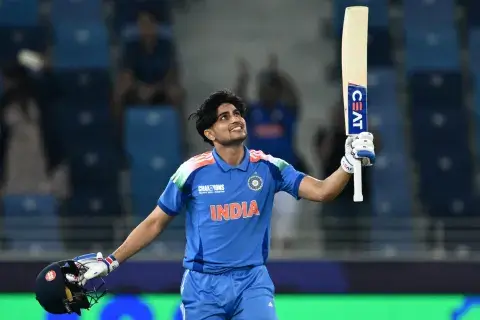
India enters the South Africa T20I series with welcome relief as Shubman Gill and Hardik Pandya regain full fitness. This series brings new hope for stability because both men bring balance in different ways. Gill offers calm starts, while Hardik brings control and late acceleration. Their comeback lifts India at the perfect moment before a busy season.
Suryakumar Yadav spoke with clear confidence about their condition before the opener in Cuttack. He said both players looked sharp during training and moved without discomfort. Gill had suffered painful neck spasms during the first Test in Kolkata. Hardik had battled a left quadriceps injury from the Asia Cup. Their return helps India build a strong rhythm before the T20 World Cup year.
Hardik already made a smooth domestic return in the Syed Mushtaq Ali Trophy. He bowled full spells and played a brutal match-winning knock against Punjab. Gill has not played since his injury, but trained with good flow in nets. These recoveries offer comfort to India because the team needs clarity in structure to dominate the timeline.
The squad now looks settled because each role feels defined. Suryakumar also stressed flexibility for the middle order. He said players like Sanju Samson and Jitesh Sharma must adapt to any number from three to six. That approach supports India’s goal to create fearless batting depth. The first T20I now becomes an ideal stage to test new plans with major events ahead.
Gill and Hardik Return Fit as India Eye Strong Start
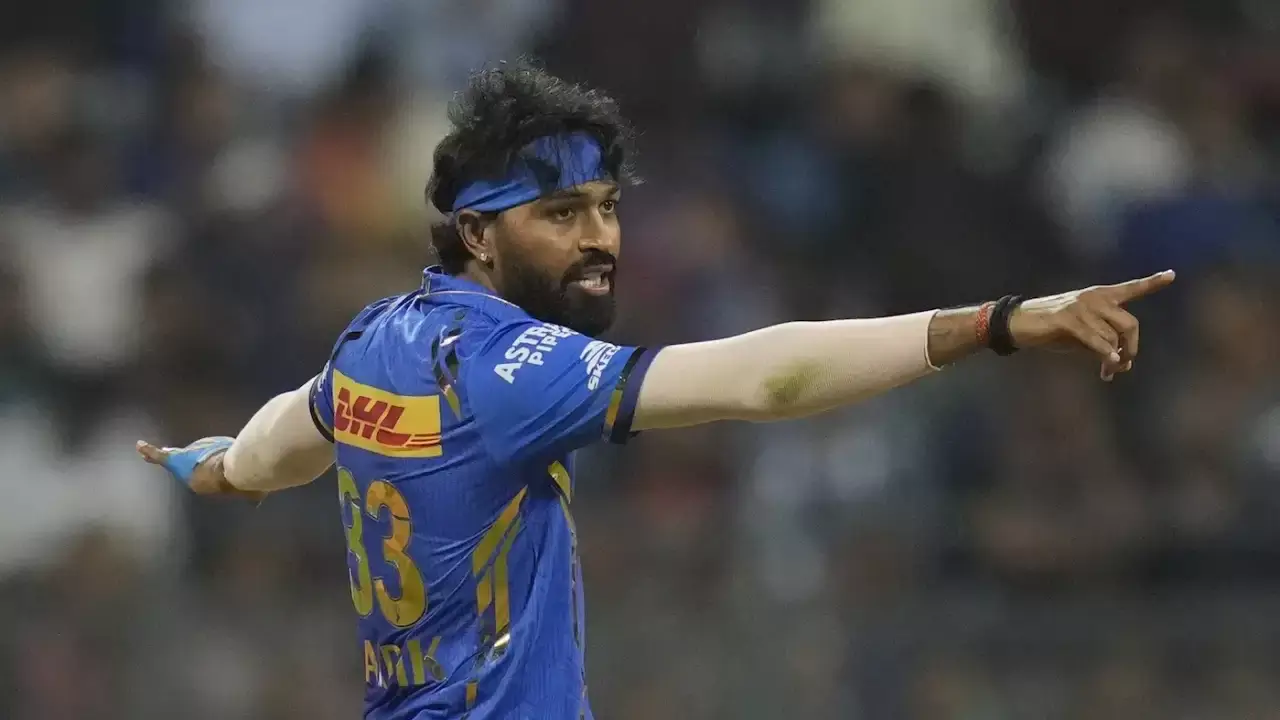
India welcomes their two key performers back for this crucial T20I series. Gill brings steady control at the top with simple stroke play. Hardik adds balance with sharp middle-overs bowling and clean hitting. Their returns erase big worries from past weeks.
Suryakumar Yadav confirmed that both players trained with good intent. He said they looked healthy across fitness drills during practice. Gill moved freely after his neck injury and worked on a range of shots. Hardik bowled with rhythm and hit powerfully during nets. These signs help India think clearly about combinations.
Hardik’s impact carries strong weight because he affects two stages. He offers early overs with the new ball. He lifts the acceleration during the end overs. India struggled in these areas earlier. Now the structure feels more complete.
Gill strengthens the top two for India. His calm approach supports aggression from the other opener. This balance matters when India adjusts strategies for big tournaments. They want strong starts with low risk. Gill improves that plan and prepares India for tough surfaces.
Why This T20I Series Is the Ultimate Test Before the 2026 T20 World Cup?
This series acts like a full dress rehearsal for India’s long-term plans. The team want strong clarity across roles before the World Cup year. South Africa present sharp challenges with high pace and bounce. India need to test their batting and bowling under this pressure. That is why this series carries deep value.
India must also examine their flexible batting blueprint. Suryakumar wants all middle-order batters to shift numbers if situations demand, as they do in IPL. This mindset helps India avoid confusion during tournaments. Teams that adapt quickly often win big matches. The India vs Bangladesh timeline shows how flexible plans helped India control tricky situations across different phases. Such lessons hold strong relevance now.
Bowling combinations also face careful review. India need a working mix between seamers and spinners. Hardik’s return increases options and adds calm awareness. His overs reduce strain on frontline pacers. This improves rhythm across the innings.
The team must also test new-fielding patterns. Fast movement in the ring helps restrict boundaries. India want fit and alert players across these zones. This series gives coaches a full view of energy levels. These tests prepare India for the conditions expected next year.
How Shubman Gill and Abhishek Sharma Can Shape a Fearless Opening Pair?
India look ready to test a new high-tempo opening plan with Gill and Abhishek Sharma. Their contrasting styles create strong potential for perfect starts. Gill plays smooth lines and offers calm control. Abhishek brings fast power inside the circle. This creates natural balance for India.
Gill’s return supports structure because he reads new-ball movement well. He rotates strike with soft hands and hits clean through covers. This eases pressure for Abhishek. It also forces bowlers to shift lengths early. India want stable starts because they struggled in earlier tours. Gill solves that issue.
Abhishek adds explosive value with raw power. He hits lofted shots with simple swings and takes brave options. India want early aggression because modern T20 needs fast tempo. Abhishek fits that model. His strike rate helps India set rhythm within three overs.
These traits help India build a new template for major tournaments. The partnership can mirror strong opening pairs seen in top leagues. Their growth will show during this series as they handle fast South African bowling. The Delhi Capitals vs Royal Challengers Bengaluru timeline reflects how strong openings often control full match momentum. India aim for the same pattern with this pair.
Why Abhishek Sharma Is a Brutal, Modern T20 Package at the Top?
Abhishek brings fearless power that India needed for years. He hits big shots with simple backlift and tight swing. He reads lengths early and targets mid-on and mid-wicket with intent. This gives India high pace from ball one.
His ability to create angles makes bowlers shift fields. This opens spaces across square boundaries. India want such dynamic players because fast starts change full innings. Abhishek also runs hard and places pressure on fielders. His quick read of angles adds clever value.
He can also bowl part-time spin. This expands India’s options during tactical phases. His bowling helps India manage workload across long tours. The team sees him as a complete modern package.
Abhishek also learns quickly from senior players. His quick growth across domestic seasons shows clear maturity. India believe he can become a long-term T20 asset. This series gives him the perfect chance to stamp authority at the top.
Why Hardik Pandya’s Comeback Gives India a Huge Advantage?
Hardik’s return solves India’s biggest balance problems. His bowling adds early pressure with hard lengths. His batting finishes innings with calm force. India lacked this dual value during his absence.
His domestic comeback offers confidence. He bowled full spells in the Syed Mushtaq Ali Trophy. He also smashed an unbeaten 77 against Punjab. This shows strong physical readiness. His leadership also guides younger players during tense moments.
Hardik also influences team structure. His overs allow India to pick extra batters or spinners. This expands tactical choices for big tournaments. His presence lifts the dressing room with energy.
India have struggled in some closing phases in recent series. Hardik’s presence supports clarity in death overs. He brings calm decision-making during pressure. This series helps India understand how best to use his strengths next season.
Suryakumar wants all batters from number three to six to stay open to changes. This flexibility helps India attack match situations with intent. Teams that shift roles smoothly often control tough chases. India want that model now.
Sanju Samson and Jitesh Sharma form a strong pair of middle-order options. Both hit spin and pace with ease. Both can adapt roles based on match flow. Their flexibility supports India’s goal to build fearless depth.
Sanju showed strong starts when he opened earlier. Jitesh swings clean in death overs. India want both skills across different phases depending on the pitch. That is why the captain values role clarity.
This flexibility now becomes a key theme for this series. The team must test different shapes before the bigger events next year. India want a complete plan across all overs.
Conclusion
India enter the South Africa T20I series with strong confidence because their structure now feels complete. The return of Shubman Gill and Hardik Pandya stabilizes their plans with calm assurance. Gill helps control the early overs. Hardik lifts both bowling and finishing. Abhishek Sharma adds new aggression at the top. These strengths give India a fresh shape before major events next year.
Suryakumar Yadav’s clear message on middle-order flexibility also marks a shift in India’s approach. The team no longer wants fixed positions. They want batters ready for any role from number three to six. This helps the side stay unpredictable for opponents. It also helps India avoid slow starts in pressure moments.
This series becomes a strong rehearsal before the 2026 T20 World Cup. India want rhythm in opening sets, clear options in middle overs, and control during finish. South Africa’s pace attack provides perfect testing ground for these ideas. India now want to bring strong energy and calm awareness across all phases.
With strong comeback signs from key players and clear tactical thinking from the leadership group, India enter this contest with full belief. The coming weeks will reveal how these ideas shape the team for the next global challenge. The series now acts like the first step toward building India’s long-term T20 identity.