

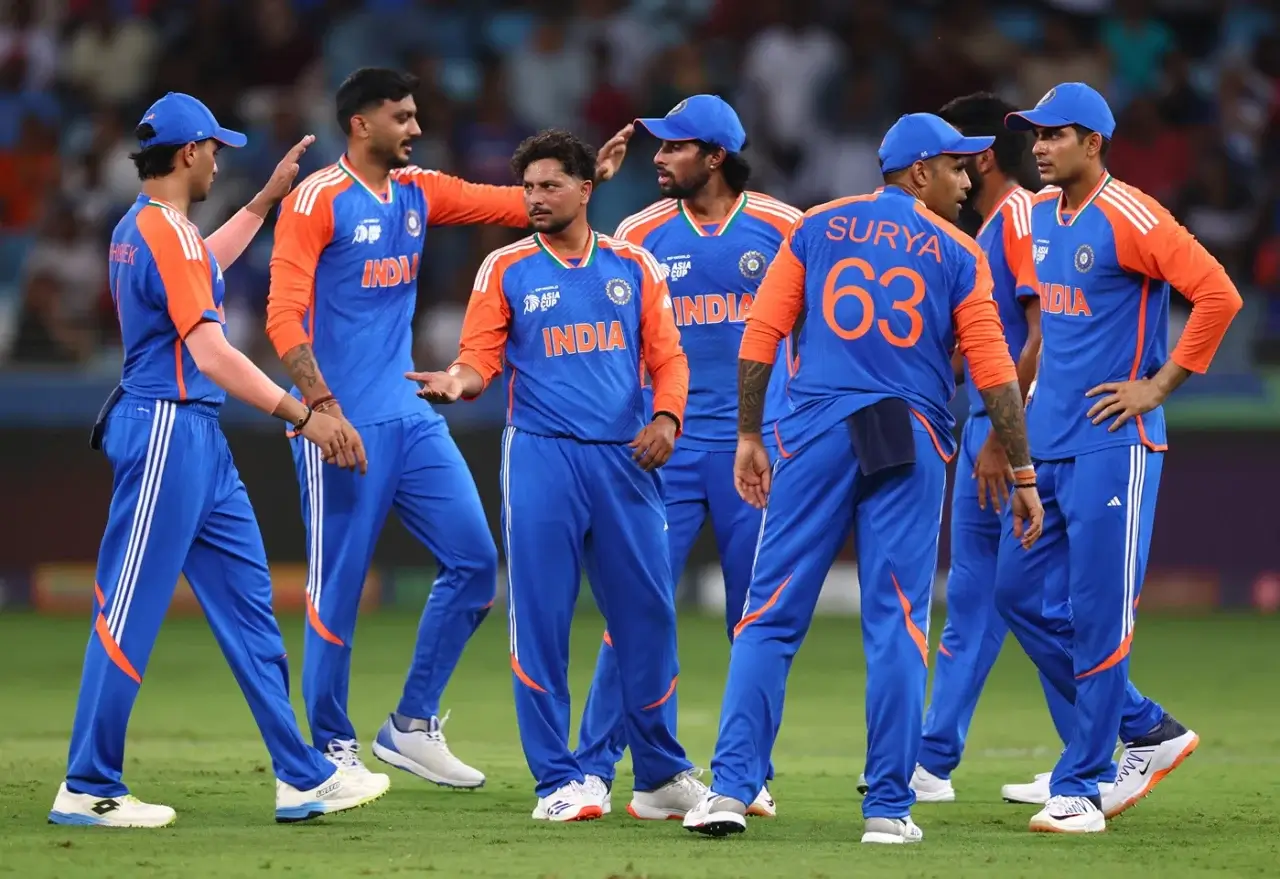
Two games into the series, the balance has tilted sharply. India haven’t just beaten New Zealand; they have overwhelmed them with depth, flexibility, and control. Heading into the Guwahati T20I, the contest already carries the weight of a potential decider. For India, it’s an opportunity to lock the series early. For New Zealand, it’s about survival.
The contrast between the sides has been striking. India have absorbed injuries, rested senior players, and still looked unstoppable. New Zealand, meanwhile, are still assembling their strongest XI as the tournament unfolds around them. Timing, momentum, and conditions all favour the hosts.
Guwahati now becomes more than just another venue. It’s the stage where India can underline their dominance — and where New Zealand must finally respond.
India’s Squad Depth Is Quietly Becoming Their Greatest Weapon
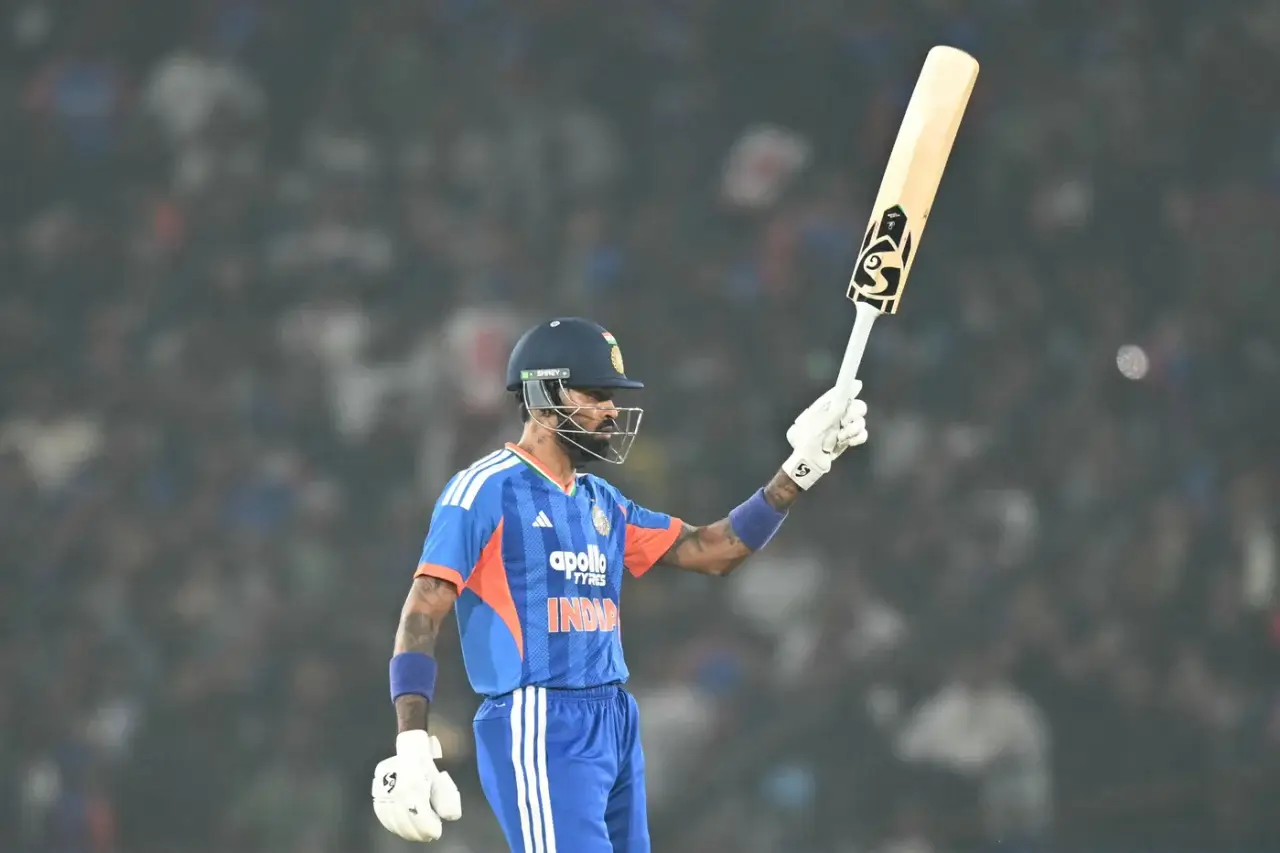
India’s biggest statement this series hasn’t been a single performance. It’s been how seamlessly replacements have stepped in. Losing players like Jasprit Bumrah and Axar Patel could disrupt most teams. For India, it barely registered.
When Tilak Varma was unavailable, Ishan Kishan walked in and transformed the chase. When Bumrah was rested, India’s bowling unit still controlled phases through variety rather than raw pace. This adaptability highlights a deeper truth about India’s T20 setup.
Roles are clearly defined. Batters know when to attack and when to absorb pressure. Bowlers understand match-ups and conditions. There is no visible panic when plans change.
This depth also gives India tactical freedom. They can rotate players without compromising intensity. They can experiment while still winning. That luxury becomes priceless as the T20 World Cup approaches.
In Guwahati, this strength allows India to stay aggressive. They don’t need a perfect XI to dominate. They just need clarity — and right now, India have plenty of it.
New Zealand’s Late Reinforcements Come With Limited Margin for Error
New Zealand’s challenge isn’t talent. It’s timing. Key players are joining mid-series, leaving little room for adjustment. Finn Allen’s arrival, Jimmy Neesham’s return, and Lockie Ferguson’s recovery all come with question marks.
Integrating players under pressure is never easy. Combinations matter in T20 cricket. Roles must be instinctive. Right now, New Zealand are still calibrating.
The issue isn’t just availability. It’s rhythm. Players arriving from different tournaments bring different tempos. Aligning them quickly against a settled Indian unit is a tough task.
This makes Guwahati critical. Another defeat would effectively end the contest. New Zealand need impact immediately, not gradual improvement. The margin for experimentation is gone. Execution must be instant.
Suryakumar Yadav’s Return to Form Changes India’s Ceiling
When Suryakumar Yadav is fluent, India operate at a different level. His innings in Raipur wasn’t just about runs. It was about control.
Suryakumar’s presence allows others to play freely. Bowlers are forced to defend unconventional angles. Fields stretch earlier. Pressure shifts instantly.
What makes his return significant is timing. With the World Cup nearing, India need certainty in the middle order. Suryakumar offers that certainty.
In Guwahati, his role becomes even more dangerous. On high-scoring surfaces, his range makes defending totals nearly impossible. For New Zealand, containing him isn’t enough. They must disrupt his rhythm early — a task few teams manage consistently.
Why India’s Bowling Looks More Dangerous Without Being Louder
India’s bowling strength in this series hasn’t come from intimidation or raw pace alone. It has come from control. Even without Jasprit Bumrah in the XI, India have dictated tempo across phases, which is often more damaging in T20 cricket.
The key has been variation without chaos. Bowlers have stuck to plans. Lines have been disciplined. Lengths have adjusted with conditions rather than ego. This has prevented New Zealand from building momentum through partnerships. Even when boundaries have come, they haven’t snowballed.
Spin has played a quiet but decisive role. Kuldeep Yadav and Varun Chakravarthy have forced batters into riskier options by shrinking scoring zones. On surfaces where dew threatens grip, India’s spinners have relied on trajectory and subtle pace changes rather than sharp turn.
What stands out most is phase awareness. India haven’t chased wickets blindly in the powerplay or death overs. They’ve focused on choking options, trusting mistakes to follow.
In Guwahati, where runs are expected, this approach becomes even more valuable. Containment is as important as breakthroughs. India’s bowling unit understands that balance — and that understanding has made them look more dangerous than teams with bigger names.
How Toss Pressure Could Shape Tactical Decisions in Guwahati?
At venues like Guwahati, the toss is never neutral. Dew, surface pace, and ball skidding under lights tilt the game early. Teams know this. Players feel it. Captains are forced into proactive decisions.
So far, India have handled toss outcomes better than New Zealand. Whether batting first or chasing, they’ve adapted quickly. New Zealand, by contrast, have appeared reactive — adjusting plans mid-innings rather than anticipating conditions.
Bowling first under dew demands defensive clarity. Captains must accept that runs will come and plan containment, not domination. Batting first requires calculated aggression rather than panic acceleration.
India’s leadership group seems comfortable with these trade-offs. They don’t chase perfect scenarios. They build workable ones. That composure reduces toss anxiety.
New Zealand, however, face mounting pressure. Losing the toss in Guwahati could feel like starting a goal down. That psychological weight often leads to rushed decisions.
In high-scoring games, clarity beats advantage. India have shown they possess it. New Zealand still look like they’re searching.
The Middle-Overs Battle That New Zealand Can No Longer Ignore
Much attention has focused on powerplays and death overs. But this series has been quietly decided in the middle overs. India have dominated that phase with both bat and ball.
Batting-wise, India have refused to stall. Instead of consolidating passively, they’ve rotated aggressively and targeted specific bowlers. This has prevented spinners from settling and forced captains into premature changes.
With the ball, India have used the middle overs to apply slow pressure rather than chase breakthroughs. Singles have been monitored. Boundary options restricted. The asking rate has quietly crept up.
New Zealand’s struggles here have been obvious. Their spinners have lacked defensive clarity. Their seamers have returned too early or too late.
In Guwahati, where the temptation is to save bowlers for the death, middle overs become even more crucial. Allowing India freedom here is often fatal.
If New Zealand want a foothold, this is the phase they must control. Without it, the match will slip before the final act begins.
Why India’s Bench Strength Is Sending a World Cup Message?
Every match in this series has doubled as a selection statement. India aren’t just winning. They’re showcasing depth. Players stepping in aren’t filling gaps — they’re creating competition.
This matters deeply in a World Cup year. Opponents aren’t just watching scores. They’re mapping roles, backups, and flexibility. India are showing they can absorb injuries, rest stars, and still dominate.
For the team management, this is ideal. Pressure shifts inward. Players know opportunities exist, but standards remain high. That environment breeds accountability.
For opponents like New Zealand, it creates an added challenge. Game-planning becomes harder when combinations aren’t fixed. Match-ups lose predictability.
Guwahati offers another chance to reinforce this message. Whether India rotate or stick, the signal remains clear: depth is not theoretical. It’s operational. In tournaments, depth doesn’t just win matches. It wins momentum. India are building both.
Why New Zealand’s Series Survival Hinges on One Complete Performance?
New Zealand don’t need multiple miracles. They need one complete game. So far, their performances have arrived in fragments — a strong powerplay, a brief counterattack, an isolated bowling spell.
Against India, fragments aren’t enough. The margin for error is thin. Any lapse is punished immediately.
A complete performance means clarity in all three phases. Early wickets without leaking runs. Middle overs without release. Death overs with intent, not fear.
It also means decisiveness. Captains must commit to plans rather than hedge. Bowlers must trust lengths. Batters must choose moments rather than react to pressure.
Guwahati offers no hiding place. Conditions favour scoring. Crowd energy favours India. If New Zealand hesitate, the game will run away quickly.
This match is less about talent and more about cohesion. If New Zealand find it, the series breathes. If not, the outcome feels inevitable.
Guwahati’s History Suggests Another Batting-Dominated Contest
Guwahati has quietly built a reputation as a batter’s venue. Previous T20Is here have produced massive totals and thrilling chases. The boundaries invite stroke play. The surface rewards timing.
Dew is often decisive. Teams chasing gain a clear advantage as bowlers struggle for grip. Toss decisions become critical.
India are comfortable in these conditions. Their batters trust themselves. Their bowlers adjust quicker than most. New Zealand, however, have struggled to control run flow once dew sets in.
If the pitch plays true again, expect another high-scoring game. That scenario favours the side with deeper batting — and that side is clearly India.
Shivam Dube’s Evolution Adds Balance to India’s XI
Once viewed as a situational player, Shivam Dube has evolved into a core component of India’s T20 plans. His spin-hitting remains elite, but his improvement against pace has widened his impact.
More importantly, his bowling offers flexibility. Even a couple of overs can break partnerships or slow momentum. That dual skill strengthens India’s balance.
Against New Zealand, Dube’s role becomes tactical. He can target specific match-ups and give captains options during tricky phases.
This versatility allows India to rotate bowlers more freely and manage workloads — another sign of structural strength.
Rachin Ravindra Represents New Zealand’s Best Hope of Disruption
For New Zealand, Rachin Ravindra offers rare upside. While T20s haven’t been his strongest format, his intent in the previous game stood out.
Attacking spin early disrupted India’s plans briefly. That aggression needs continuity. New Zealand can’t afford passive starts anymore.
Ravindra’s challenge is sustainability. One explosive over isn’t enough. He must anchor aggression deeper into the innings.
If he succeeds, New Zealand gain balance. If he fails, pressure returns instantly.
Bowling Match-Ups Could Decide the Powerplay Battle
Powerplays have defined this series so far. India have dominated with bat and ball. New Zealand must reverse that trend.
Bowlers like Matt Henry and Jacob Duffy have shown promise but lacked support. India’s top order has punished width and loose length ruthlessly.
In Guwahati, controlling the first six overs becomes essential. New Zealand need early wickets. India need momentum. This battle will shape the game long before the death overs arrive.
This Guwahati T20I isn’t just about a 3–0 lead. It’s about narrative. India are asserting themselves as World Cup favourites. New Zealand are searching for stability.
Momentum matters in tournament build-ups. Confidence compounds. Right now, everything is flowing India’s way. For New Zealand, this is a test of resilience. For India, it’s an opportunity to reinforce dominance. Either way, Guwahati promises significance — not just runs.

