


India once again proved why home conditions tilt contests in their favour. By halting New Zealand’s nine-match ODI winning run, they seized series control. The margin was slim, but the advantage felt decisive. Context matters, and it leaned heavily toward the hosts.
India were not flawless across departments during the contest. Their batting slowed after key wickets fell in clusters. Bowling phases also lacked penetration at times. Yet, they defended their total with composure under pressure.
New Zealand will take confidence from pushing the match deep. Batting second, they stretched the contest into the 99th over. That resistance prevented emotional collapse. It also preserved belief heading into Rajkot.
With the next ODI approaching, momentum gives way to execution. India sense a chance to seal the series early. New Zealand sense a narrow opening. The balance now rests on small margins.
How India Ended New Zealand’s Nine-Match Winning Streak?
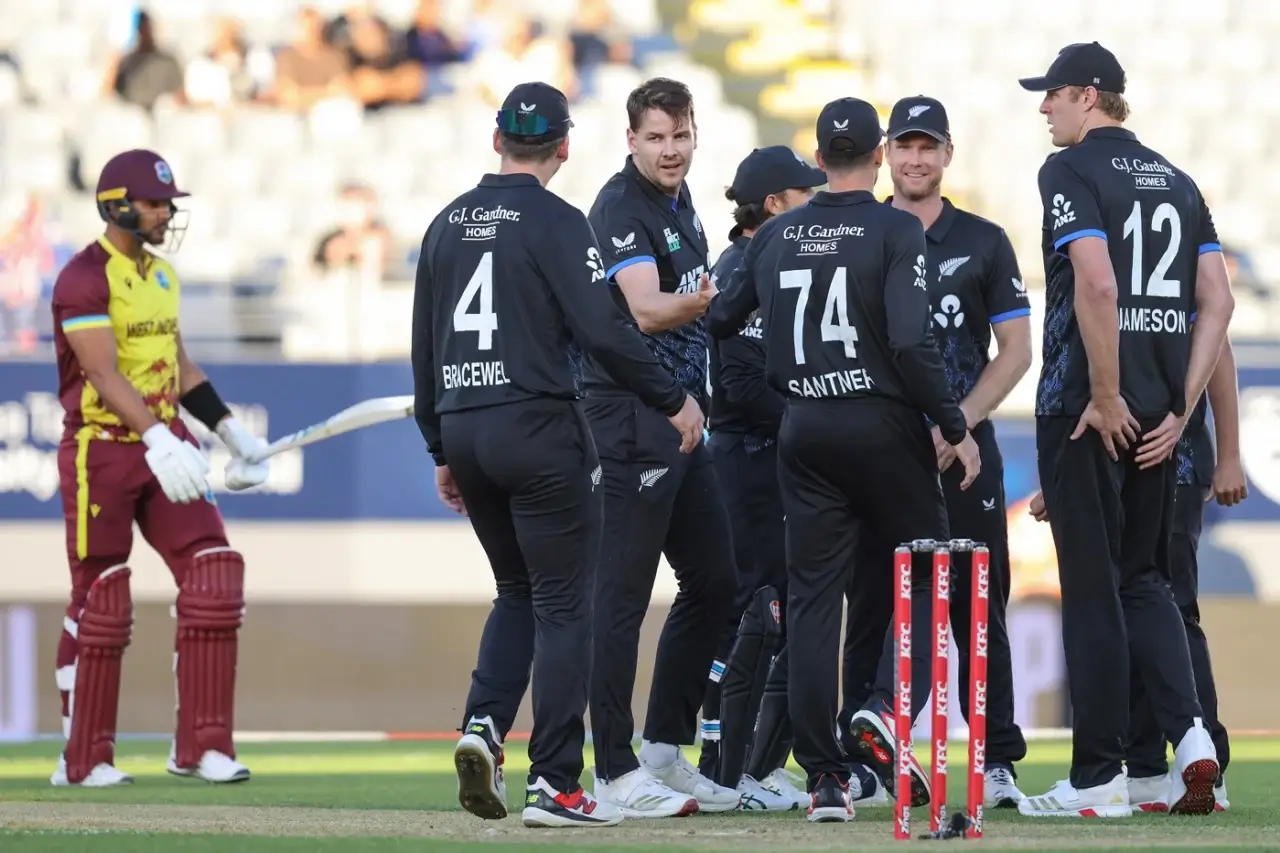
New Zealand arrived carrying confidence built on sustained success. Nine consecutive ODI wins had hardened their belief systems. India ended that streak through discipline rather than brute force. They resisted the urge to dominate too early.
India’s bowlers accepted quiet overs without losing shape. They denied easy boundary options during middle phases. Singles were allowed; momentum was not. That restraint forced New Zealand into late-innings risks.
Fielding played a silent but decisive role throughout the innings. Sharp stops turned certain fours into controlled singles. Inner-ring movement stayed alert under pressure. Over 100 overs, those savings became match-defining.
India’s experience surfaced during crunch moments. They absorbed pressure instead of chasing wickets aggressively. That calmness forced errors from batters seeking release. Ending such a long streak sent a message. India rotate players, but standards rarely drop at home.
Virat Kohli’s High-Intent Batting Shows a Clear Evolution

Kohli continues reshaping his ODI identity late in his career. Against New Zealand, he attacked intent from the first phase. He trusted timing instead of prolonged accumulation. That choice set the tone immediately.
This high-intent approach reduces pressure on India’s middle order. Kohli no longer waits for bowlers to err. He forces adjustments early in the innings. Powerplay momentum now arrives faster and cleaner.
Crucially, Kohli does not carry the lineup alone anymore. Depth behind him allows freedom in shot selection. That freedom reflects in sharper boundary options. Even dismissals do not erase his influence.
This phase is about impact, not milestones. Kohli’s value lies in shifting match tempo. Opponents must defend earlier than planned. For India, this version is a strategic luxury. For rivals, it remains an unresolved problem.
Why India Know the Performance Still Fell Short of Their Ceiling?
India’s dressing room will celebrate the win, not the execution. Once Kohli departed, batting rhythm dipped noticeably. Stroke selection became conservative under minimal scoreboard pressure. Boundary flow slowed during critical overs.
The lower middle order struggled to generate late acceleration. That left India short of a commanding total. On flatter pitches, such margins invite danger. Stronger finishing would have closed the door earlier.
Bowling also revealed an unusual statistic. India went wicketless in the powerplay for the first time in thirteen ODIs. That allowed New Zealand early stability. Confidence grew without scoreboard stress.
These gaps remain correctable through role clarity. India often use early series matches for calibration. Winning despite flaws strengthens internal belief. If India approach peak efficiency, the series could end swiftly.
Rajkot Conditions and Why Batting First Remains the Safer Route?
Rajkot continues to offer deceptive ODI conditions. Only four ODIs form its sample size, but patterns remain consistent. No team has successfully chased here yet. That trend influences captaincy thinking.
Batting first sides aim to bury opponents early. Totals beyond 330 create mental pressure under lights. Chasing teams feel urgency rather than control. That psychological load compounds mistakes.
Dew exists but rarely overwhelms bowlers completely. Teams have adapted better to moderate moisture. That reduces toss dependency compared to older venues. Execution outweighs coin toss advantage.
The pitch quickens slightly under lights, aiding stroke-play. However, scoreboard pressure remains the decisive factor. Captains may still choose batting first. Rajkot rewards intent, not hesitation.
Washington Sundar Injury Forces India into a Tactical Choice
Washington Sundar’s injury creates a nuanced selection dilemma. India must now choose between balance and adaptability. The replacement will shape the team’s tactical flexibility. Conditions may dictate the final call.
Ayush Badoni offers batting depth with part-time spin. His recent bowling returns add variety. On slower surfaces, that skillset becomes valuable. Badoni also strengthens lower-order control.
Nitish Kumar Reddy provides seam movement and finishing ability. He understands squad rhythm and match tempo. His inclusion favours pace-heavy strategies. Rajkot’s surface may influence that call.
India’s advantage lies in choice without compromise. Both players fit different match narratives. Selection becomes strategic, not forced. That flexibility reflects squad strength.
Daryl Mitchell Carries New Zealand’s Middle-Order Weight
Mitchell remains New Zealand’s most reliable batting pillar. Against India, his role expands under pressure. Early wickets increase his responsibility instantly. Anchoring and accelerating both fall on him.
New Zealand lack consistent depth beyond their top four. Middle-order collapses expose tactical fragility. Mitchell must absorb pressure while keeping run rate healthy. That dual role drains margins quickly.
In the first ODI, Mitchell came close to a century. His composure kept New Zealand alive. However, repeating that effort every match is unrealistic. Support must arrive from surrounding positions.
Contributions from Glenn Phillips and Michael Bracewell are essential. Without shared responsibility, New Zealand’s chase structure collapses. One batter cannot carry an entire campaign.
What the Result Signals for the Remainder of the Series?
India now hold psychological leverage over the contest. Ending a long winning streak shifts belief patterns quickly. New Zealand must respond immediately to stay alive. Delay could harden Indian confidence.
A Rajkot victory would seal the series for India. That allows experimentation in the final ODI. India value such windows for bench exposure. Depth testing becomes possible.
For New Zealand, survival defines the next match. Another narrow defeat could damage morale. Confidence erodes faster when margins shrink repeatedly. Immediate correction is required.
The series remains competitive but tightening. India sense control, not complacency. New Zealand sense urgency, not panic. The next match may decide whether this contest extends or closes.
Why India’s Home Dominance Continues to Overwhelm Touring Sides?
India’s home success stems from adaptability, not intimidation. Players understand subtle pitch variations quickly. That understanding allows faster tactical adjustments. Touring sides often react late.
Bowling combinations remain flexible across venues. India alter lengths, not personnel, to suit conditions. Batters also adjust scoring zones efficiently. These small shifts compound advantages.
Crowd energy plays a secondary role. Pressure exists, but familiarity matters more. Indian players read momentum changes instinctively. That instinct limits panic phases.
Until touring sides close preparation gaps, results may repeat. India do not overwhelm through aggression alone. They win through control, patience, and situational awareness.
Why New Zealand Still Believe This Series Can Turn?
Despite defeat, New Zealand extracted positives from the match. They competed deep despite losing the toss. That resilience matters in away conditions. Belief has not collapsed.
Their bowling maintained discipline during middle overs. Fielding standards remained sharp throughout. These foundations offer recovery points. Improvement requires better batting distribution.
New Zealand understand Indian conditions more than most visitors. Past tours have built experience depth. Applying that knowledge consistently remains the challenge. Execution must replace intent.
A single strong performance can flip momentum quickly. New Zealand need one statement innings. Without that, margins will continue shrinking against them.