Most contests between Mumbai Indians and Punjab Kings are not settled by explosive starts or dramatic finishes. They are settled in the quiet stretch where urgency fades and clarity takes over. Overs seven to fifteen have repeatedly become the phase where Mumbai impose order and Punjab lose leverage.
Mumbai treat this passage as a stabilisation zone. Their priority is not acceleration but certainty. Wickets are protected aggressively. Batters choose longevity over spectacle. Six- and seven-run overs are accepted without anxiety. That patience forces the bowling side to make the first mistake.
Punjab often enter this phase on equal footing. The scoreline looks healthy. The asking rate feels manageable. Yet within a few overs, control shifts. Singles begin to flow. Fields spread. Bowlers search for breakthroughs rather than build pressure. Mumbai do not respond to that search. They extend it.
Table of Contents
ToggleThe Feature of the Matches
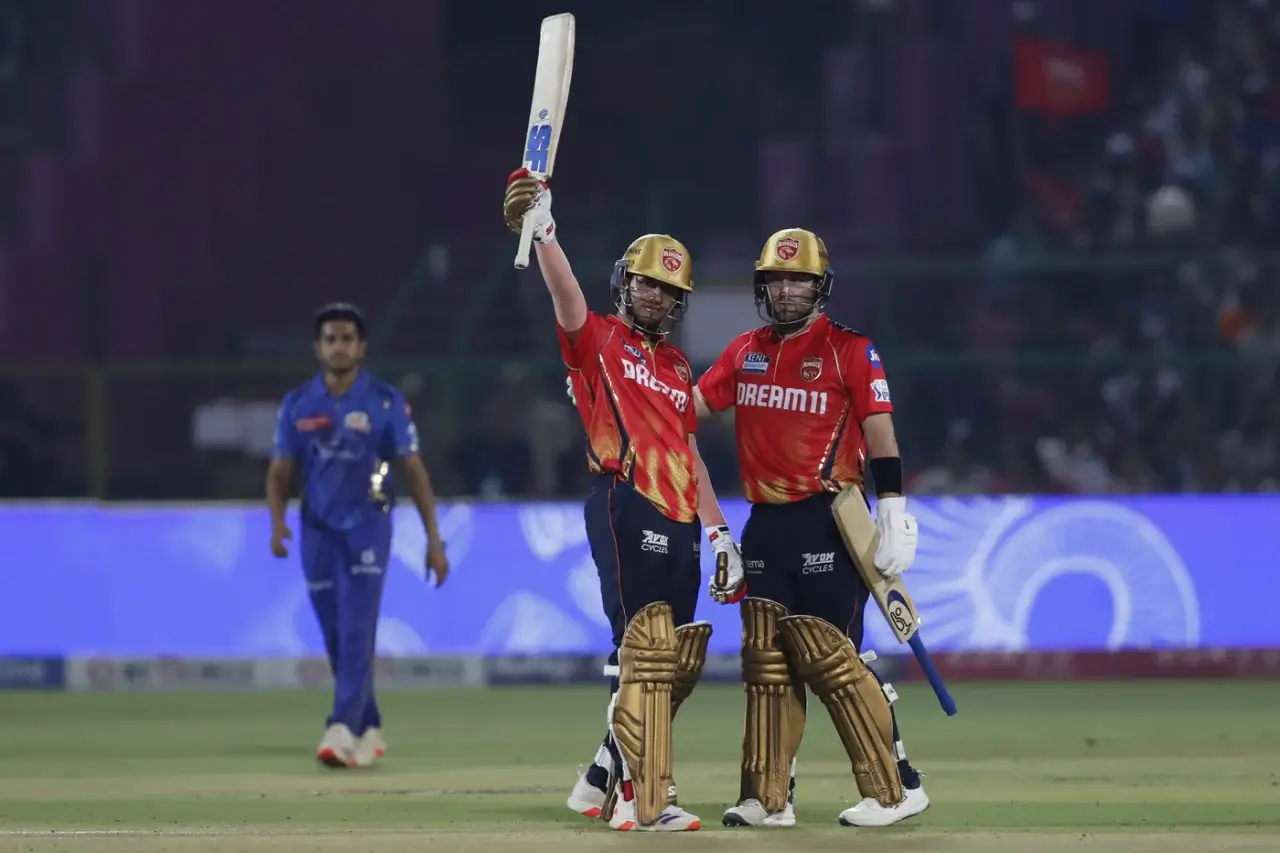
The defining feature of Mumbai’s middle-overs batting is movement, not power. Strike rotation becomes the engine. Gaps are located early and exploited repeatedly. Soft hands turn good balls into singles. Each rotation denies the bowlers’ rhythm. Each completed over without a wicket tightens the game silently.
Punjab’s challenge lies in continuity. They produce isolated good overs but struggle to string them together. Bowling plans reset too often. Field placements change mid-spell. That instability plays directly into Mumbai’s hands. The game slows. Conversations increase. The batting side regains control without risk.
Spin, which should be Punjab’s release valve, is neutralised carefully. Mumbai batters avoid confrontation. They stay deep, nudge into pockets, and wait. Once spin loses threat, pace returns under greater pressure. That is when boundaries arrive safely, not desperately.
Captaincy also matters here. Mumbai’s leadership tends to absorb pressure rather than react to it. Bowling plans are trusted. Fields remain consistent. Punjab, by contrast, are often forced into intervention, which exposes intent and shortens patience.
The Blueprint
By the time the final overs arrive, the match is usually tilted already. Mumbai reach the endgame with wickets in hand and clarity intact. Punjab arrive chasing control they lost earlier.
This is why the rivalry often feels close but finishes predictably. The middle overs do not announce outcomes. They manufacture them.
Most PBKS vs MI matches are not decided in the powerplay or the final overs. They are decided quietly in the middle phase. Overs seven to fifteen are where Mumbai Indians separate themselves from Punjab Kings repeatedly.
This phase rarely produces highlights. It produces inevitability. Mumbai do not chase momentum here. They manufacture control. Singles replace boundaries. Partnerships replace cameos. Pressure shifts slowly, then suddenly.
Punjab Kings often enter this phase evenly placed. They rarely exit it that way. The scoreboard does not explode. But the asking rate climbs. Bowling plans stretch thin. Fielding errors creep in.
This article breaks down why Mumbai Indians dominate the middle overs against PBKS. It focuses on structure, intent, and matchup discipline. No season bias. No player dependency. Just repeatable patterns that explain outcomes.
Mumbai Indians Treat Overs 7–15 as a Control Phase
Mumbai Indians approach the middle overs with a single objective: remove volatility. Boundaries are welcome but not required. The real aim is continuity.
Batters rarely attempt low-percentage shots early in this phase. They prioritize staying at the crease. This frustrates PBKS bowlers who rely on breakthroughs to reset fields.
Mumbai accept six-run overs gladly. They understand that denying wickets is more damaging than chasing boundaries. Pressure accumulates invisibly.
Punjab often mistake this calm for passivity. That misread leads to defensive bowling. Defensive bowling leads to singles. Singles lead to rhythm.
By the time Mumbai accelerate, the bowling side is already reactive. This is not improvisation. It is design.
Strike Rotation Is Mumbai’s Most Lethal Weapon
Mumbai Indians weaponize singles better than any team against PBKS. Gaps are targeted deliberately. Soft hands are coached relentlessly.
Punjab’s fielding often lacks compactness in this phase. One fielder slightly deeper. One angle slightly off. Mumbai exploit these micro-errors relentlessly.
Batters do not chase big shots. They chase angles. Third-man nudges. Midwicket drops. Cover pushes. Each single erodes bowling confidence. Each two forces field changes.
PBKS bowlers are drawn into defensive lengths. Once that happens, Mumbai start accessing boundaries safely. Strike rotation is not filler for Mumbai. It is pressure architecture.
Bowling Matchups Are Planned Before the Match Begins
Mumbai rarely allow PBKS bowlers to dictate matchups. They pre-empt them. Batting orders are flexible within structure. Punjab often rely on bowlers finding rhythm organically. Mumbai deny that rhythm. When a PBKS bowler begins to settle, Mumbai rotate strike immediately. Over rhythm breaks. Confidence resets.
This chess-like planning ensures no bowler dominates the phase. The middle overs become a series of short contests. Mumbai win most of them.
Why PBKS Struggle to Apply Sustained Middle-Overs Pressure?
Punjab Kings’ biggest issue in this phase is continuity. They bowl good overs in isolation. They rarely bowl three in a row. Changes come quickly. Fields shift often. Plans reset mid-over.
Mumbai sense this instability. They slow the game further. Conversations increase. Rhythm breaks. PBKS often look for wickets to escape pressure. That desperation creates release balls.
Mumbai wait for those moments patiently. Pressure is not about aggression. It is about repetition. Punjab struggle with repetition here. Mumbai’s Partnerships Drain Energy, Not Just Runs Middle-overs partnerships are not about scoring fast. They are about occupying space.
Mumbai partnerships against PBKS often last 6–8 overs. That duration matters. Bowlers tire. Fielders lose sharpness. Punjab’s intensity dips subtly. This is when Mumbai accelerate safely.
The damage is mental before it is numerical. Spin Is Neutralised Without Risk Mumbai do not attack spin recklessly in the middle overs. They neutralise it. Sweeps are selective. Charges are rare. Instead, batters use depth in the crease. Punjab spinners are denied mistakes to capitalise on.
Once spin loses threat, pace returns under pressure. Mumbai then expand naturally. Captaincy Calm Gives Mumbai a Structural Edge Mumbai captains rarely overreact in this phase. Fields remain stable. Bowlers are trusted to complete plans. Punjab captains often intervene. Changes come earlier. That urgency transmits pressure inward. Mumbai thrive when opponents rush decisions.
Calm leadership amplifies structural strength.
How This Phase Explains Most PBKS vs MI Results Many PBKS vs MI matches appear close on scorecards. The real separation happens unseen. Mumbai exit the middle overs with wickets intact and options open. Punjab exit chasing control.
That imbalance decides endings before they arrive. Middle overs do not win headlines. They win matches. Mumbai understand that better than anyone.
Mumbai Indians’ dominance over PBKS is not about stars. It is about systems. Overs seven to fifteen are where those systems operate most efficiently. Until Punjab solve this phase, results will continue to lean one way. Cricket rarely lies. It simply reveals patterns slowly.