


The powerplay has defined most Mumbai Indians vs Punjab Kings contests over the years. Mumbai rarely allows Punjab early freedom. The first six overs decide the tempo quickly. MI understands this phase better than most IPL teams.
Punjab usually enters matches with attacking intent. Their top order looks to dominate early. Mumbai responds differently. MI attacks structure, not emotion. Their bowlers aim to control space, not chase highlight wickets. Dot balls build invisible pressure. That pressure forces impatience. Wickets then arrive naturally.
This article breaks down how MI dominates PBKS repeatedly. It focuses on powerplay economy, wicket patterns, and momentum shifts. The analysis remains strictly over 1–6. That clarity explains why this pattern keeps repeating across seasons.
MI’s Powerplay Economy: Control Before Aggression
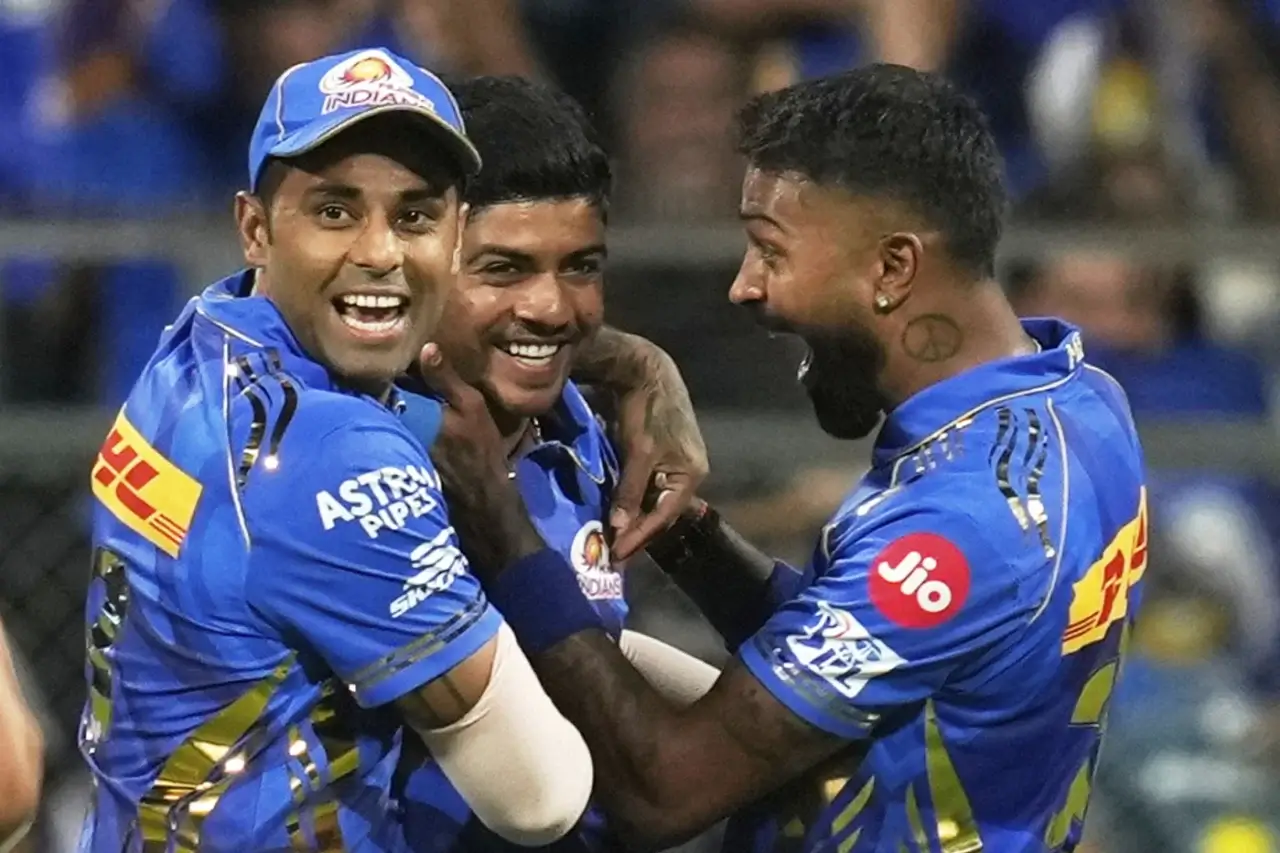
Mumbai’s powerplay economy against PBKS remains consistently low across seasons. This is not a coincidence. It is planned control. MI bowlers avoid slot deliveries early. Full balls are used sparingly. Short balls are delivered with intent.
Hard lengths dominate the power play. Batters struggle to access easy boundaries. Fielders inside the ring are positioned precisely. Singles are allowed only into low-risk zones. This denies rhythm completely.
Punjab batters often begin cautiously as a result. Boundaries dry up early. The required run rate begins creeping up silently. That pressure is psychological, not numeric. By the fourth over, batters search for release shots.
This is where MI gains real advantage. Mumbai Bowlers maintain timeline by staying calm under resistance. They do not force attacking fields. They trust the plan. Batters eventually create mistakes themselves.
Powerplay Economy Comparison (MI vs PBKS)
| Team | Overs 1–6 Economy | Boundary Frequency |
|---|---|---|
| Mumbai Indians | ~6.9 | Low |
| Punjab Kings | ~8.4 | High |
The gap appears small numerically. Over six overs, it reshapes the entire innings trajectory.
PBKS Wicket Loss Patterns Inside the First Six Overs
Punjab Kings lose powerplay wickets in clusters against Mumbai. This trend repeats season after season. One quiet over often leads to impatience. The very next over produces a risky shot.
Mumbai anticipates this behavioral shift well. Fields are set for mishits, not edges. Slips appear selectively. Inner-ring fielders stay aggressive and alert. Catching positions are proactive, not reactive.
PBKS top-order batters often fall while forcing release shots. Pull shots against short lengths mistime. Drives against hard lengths carry aerially. Inside edges appear as batters rush footwork.
These wickets disrupt Punjab’s batting blueprint immediately. New batters walk in under run-rate pressure. The powerplay advantage swings decisively to MI.
Common PBKS Powerplay Dismissal Zones
-
Extra-cover aerial drives
-
Deep square-leg pulls
-
Inside-edge bowled dismissals
Mumbai’s bowling plans repeatedly funnel batters into these zones.
Key Bowlers Who Define MI’s Powerplay Control
Mumbai’s powerplay dominance starts with role clarity. Every bowler knows their job. There is no overlap. Swing, seam, and pace variations are sequenced carefully.
Jasprit Bumrah often sets the tone immediately. His accuracy denies easy scoring. Even without wickets, he creates scoreboard pressure. Batters cannot line him up early.
Left-arm pace from the other end adds discomfort. Angles cramp batters. Hard back-of-length balls remove swing freedom. Spin is rarely used early against PBKS. Pace remains the primary weapon.
This combination compresses scoring options. Batters feel rushed despite modest run rates. Decision-making suffers. Errors follow.
Momentum Shift: Why the Powerplay Decides MI vs PBKS Games
Powerplay control shapes more than runs. It dictates match rhythm. When PBKS starts slowly, the middle overs become recovery phases. That plays directly into Mumbai’s strengths.
MI then spreads the field calmly. Run-rate pressure increases steadily. Punjab batters attempt bigger strokes earlier than planned. Risk multiplies quickly. Collapse probability rises sharply.
This chain reaction begins within the first six overs. Mumbai understands this sequence deeply. They play for delayed dominance, not instant damage. That understanding separates MI from most teams.
Conclusion: Why PBKS Rarely Wins the Powerplay Battle
Mumbai Indians never chase early dominance loudly. They suffocate quietly. Their powerplay plans against Punjab Kings remain consistent year after year. Economy first. Pressure next. Wickets last.
Punjab’s aggressive approach works against weaker attacks. Against Mumbai, it backfires consistently. The powerplay becomes a trap, not an advantage.
This recurring pattern explains Mumbai’s long-term success in this rivalry. It also explains Punjab’s repeated early struggles.
For a complete phase-by-phase tactical breakdown, this powerplay control connects directly to the wider Mumbai Indians vs PBKS rivalry, where similar dominance patterns appear throughout the innings.

