
India’s women’s cricket rise was never sudden or accidental. It came through years of planning, correction, and quiet investment. Losses were treated as lessons rather than failures. Over time, structure replaced uncertainty, and clarity replaced chaos.
The moment Deepti Sharma became the leading wicket-taker in women’s T20Is captured that entire journey. Her record is not an isolated achievement. It reflects how India developed control, depth, and repeatable excellence. Today, India wins matches through method, not moments.
This shift separates India from most competitors. Great teams do not rely on inspiration to survive. They rely on systems that function even on average days. India’s women’s side has reached that level.
India’s Progress Came From Structure, Not Individual Stardom
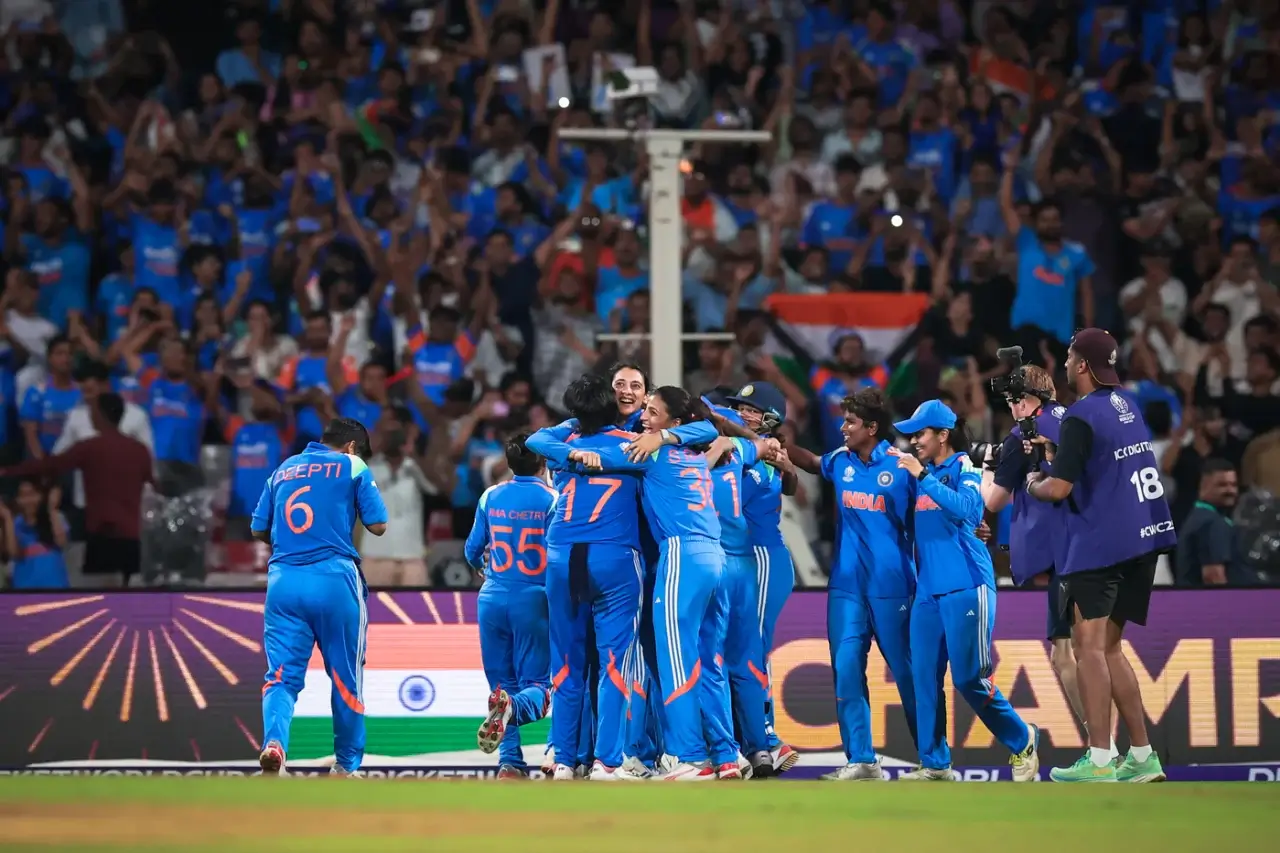
India invested in foundations long before results followed. Domestic cricket expanded in quality and opportunity. Players entered international cricket with experience rather than hope. Pressure became familiar instead of intimidating.
Central contracts improved security and focus. Fitness standards rose steadily across squads. Fielding errors were reduced without dramatic overhauls. India stopped chasing instant success and committed to long-term stability.
That patience now shows clearly. Performances no longer fluctuate wildly. India competes at a consistent baseline. Wins feel controlled rather than miraculous.
Deepti Sharma Mirrors India’s Tactical Maturity
Deepti’s bowling success is built on intelligence and restraint. She rarely searches for spectacular deliveries. Instead, she applies pressure through accuracy, variation, and patience. That approach mirrors India’s overall identity.
Her ability to read batters and adjust quickly defines her success. Fields support her plans rather than chase wickets blindly. Errors are forced, not hoped for. This is modern, thinking cricket.
Reaching the top of the T20I wicket list was inevitable. It came through sustained excellence rather than short bursts. Younger bowlers now follow her blueprint, strengthening the entire system.
Clear Roles Transformed India’s Match Control
Every Indian player understands her role clearly. Openers manage tempo instead of chasing boundaries. Middle-order batters absorb pressure rather than accelerate blindly. Finishers attack only when conditions suit them.
Bowlers operate within defined phases. Powerplay strategies differ in the middle overs. Death bowling is planned, not improvised. This clarity removes panic from close situations.
As a result, India rarely collapses suddenly. Matches remain within reach even on difficult days. That control defines elite teams.
Earlier Indian teams leaned heavily on individuals. Modern India spread responsibility across the squad. Different matches produce different heroes. Opponents cannot neutralise India by targeting one player.
Leadership flows naturally between senior players. Pressure is shared rather than concentrated. This balance creates resilience across formats. Series wins now feel routine rather than dramatic.
That calm dominance signals maturity. India dictates games instead of reacting to them.
Bowling Discipline Is India’s Greatest Strength
India’s bowling unit applies relentless pressure without recklessness. Economy rates remain tight. Boundaries must be earned. Batters are forced to take risks against set fields.
Spin anchors this discipline. Conditions are read quickly. Even flat pitches are controlled patiently. Mistakes are created through pressure rather than aggression alone.
Deepti sits at the centre of this approach. Her control allows attacking options elsewhere. Partnerships break quietly. Momentum shifts without spectacle.
Many teams peak briefly before fading. India sustains performance year after year. That consistency reflects depth rather than temporary form.
Deepti’s repeated high-wicket seasons underline this trend. So does India’s stable presence near the top of the rankings. Setbacks rarely linger. Adjustments arrive quickly.
Opponents feel this difference. India rarely beats itself. Errors reduce season by season. Growth remains visible and measurable.
Why India Women’s Cricket Now Sets Global Standards?
India combines patience with planning. Talent is guided instead of rushed. Emotional cricket has been replaced by methodical execution. That shift defines champions.
Other teams react to situations as they unfold. India shapes the contests from the start. Those authority changes match the dynamics early. Records follow naturally when dominance becomes routine.
Deepti’s milestone marks arrival, not completion. Indian women are still evolving. The ceiling continues to rise. The gap continues to widen.
Deepti Sharma topping the T20I wicket charts matters beyond statistics. It represents a system that finally reached maturity. India’s women’s cricket now aligns ambition with execution.
Preparation matches performance. Planning matches pressure. That harmony defines sustained success. India are no longer chasing recognition. They are setting benchmarks, and world cricket is adjusting.