

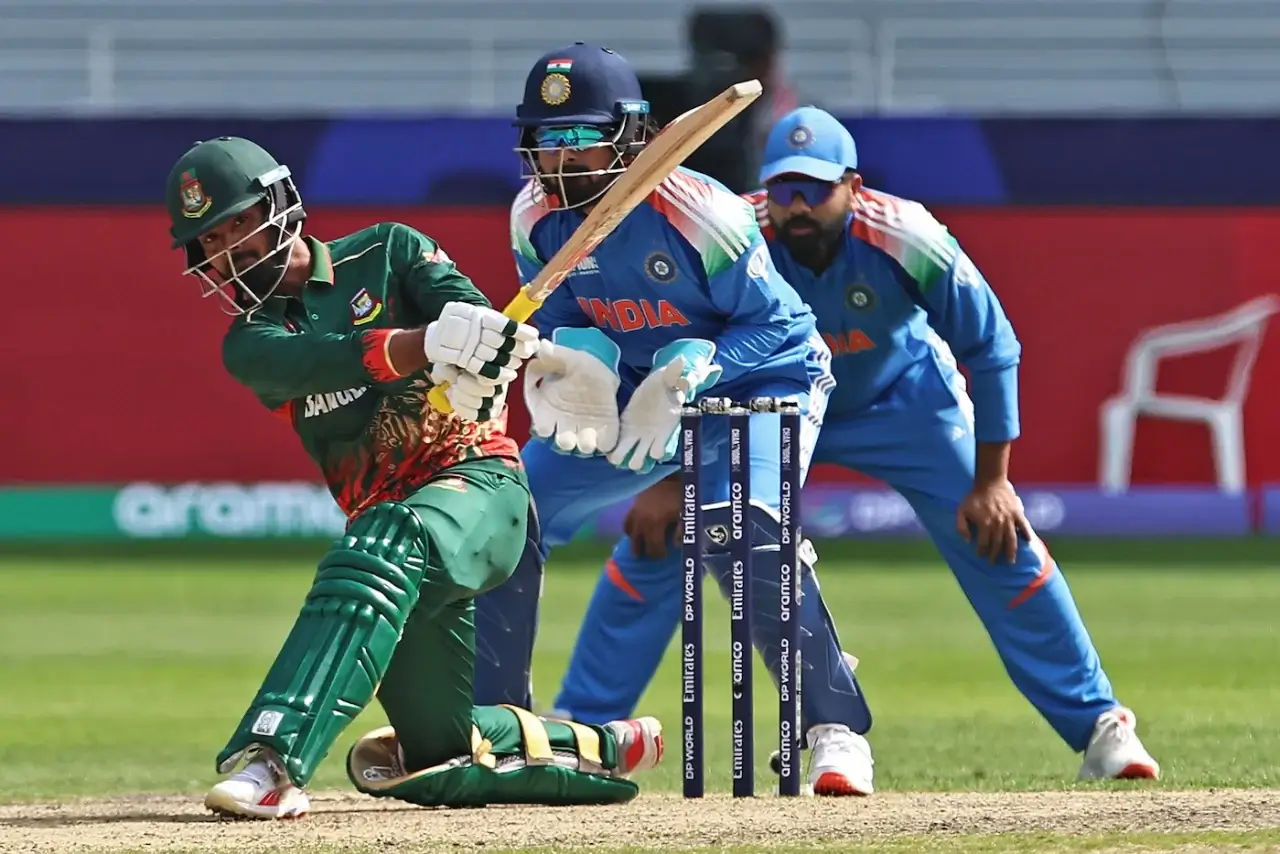
Bangladesh remain one of the most passionate cricket nations in the world, yet their progress often moves in short bursts rather than long, sustained phases. Against smaller or mid-table teams, they compete well. But against the elite nations—India, Australia, England, South Africa, New Zealand, Pakistan—the gap grows wider whenever match intensity rises. That gap is not purely about talent; it is about planning, structure, tactical depth, and long-term development.
As a full-time coach, the key question is simple: What can Bangladesh do better to finally break through? The answer lies in both on-field and off-field systems. Bangladesh must evolve from relying on individual brilliance to building a complete tactical identity. They must invest time in roles, matchups, mental conditioning, scouting and player development pipelines. Cricket today is not won by flair alone; it is won by structure and repeatable processes.
The next phase for Bangladesh requires decisiveness and clarity. They need stronger preparation windows, more high-quality opposition, and a modern T20 and ODI blueprint. This article breaks down the seven critical areas Bangladesh must improve if they want to challenge top teams consistently.
Strengthening Domestic Pathways to Produce Role-Specific Players
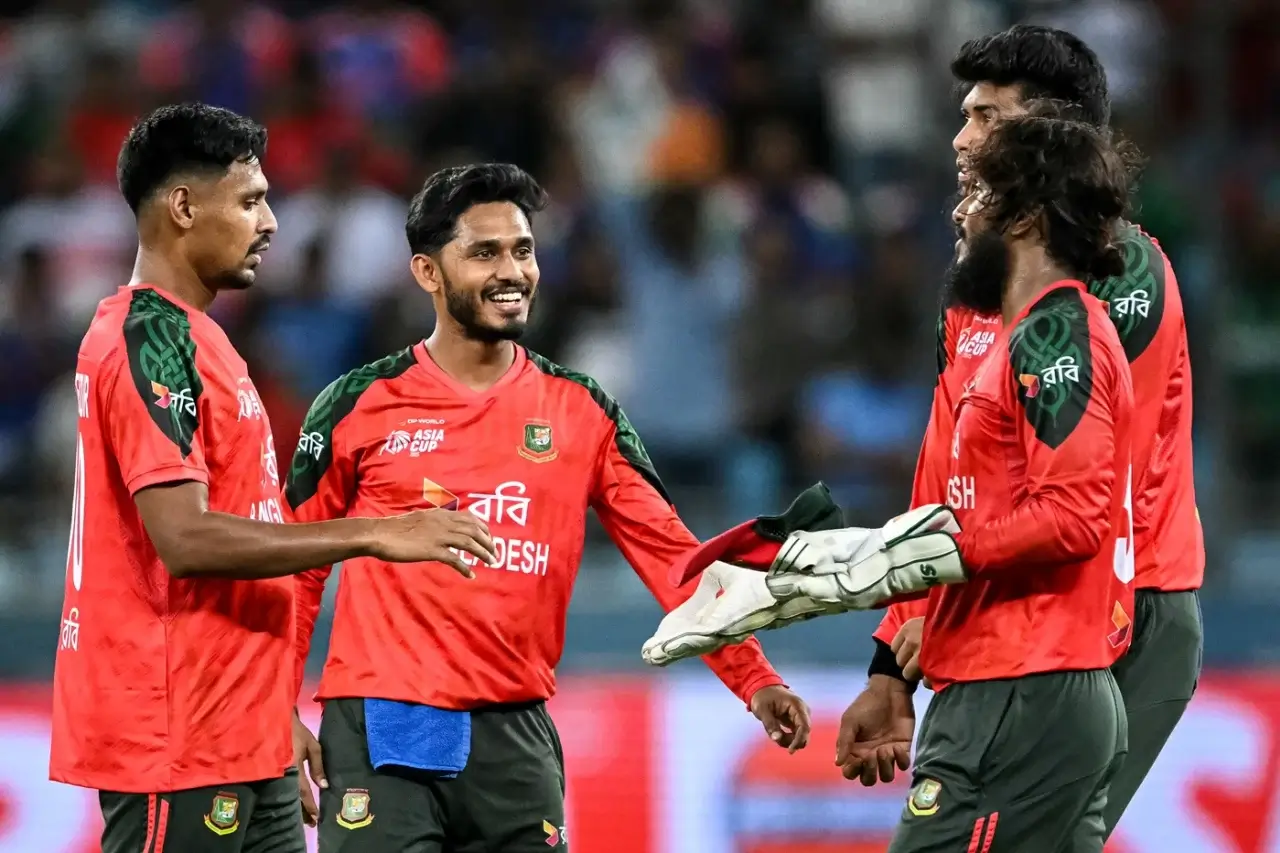
Bangladesh’s biggest long-term challenge is the absence of role-specialised players. Top teams develop power-hitters, death bowlers, wrist-spinners, and anchor-style batters through structured pathways. Bangladesh’s domestic system often produces talented players but not specialised match-winners to dominate the timeline.
The solution is to build elite development programs focused on modern cricket demands. Bangladesh must create dedicated finishing academies, power-hitting lanes, and wrist-spin pathways. These roles decide matches at the highest level, and top sides produce such players intentionally—not accidentally.
Domestic leagues must encourage aggressive templates rather than defensive styles. Too many batters play for survival instead of impact. Too many bowlers rely on predictability instead of variation. Bangladesh needs bold, fearless players who learn to attack early, absorb pressure, and win high-intensity moments.
When role-specific talent emerges, the gap with big teams narrows quickly.
Improving Fitness Standards and On-Field Conditioning
Fitness remains a major separator between Bangladesh and the top teams. Stronger nations maintain high-intensity movement across 40 overs, sharper fielding standards, and fast recovery cycles. Bangladesh often fade during the middle overs due to declining energy.
Bangladesh must adopt stricter fitness standards across BPL, domestic cricket, and national camps. Players require speed training, strength programs, and agility development. Modern T20 cricket demands explosive athletes, not just skill-based performers.
A fitter team fields with aggression, turns singles into dot balls, and creates pressure through movement. Fielding alone can win T20 matches, and Bangladesh must make it a non-negotiable cornerstone of their culture.
Clear Role Clarity and Tactical Identity in Limited-Overs Cricket
Most top teams enter matches with clearly defined roles: powerplay attacker, middle-overs accumulator, death overs specialist, enforcer bowler, matchup spinner. Bangladesh often enter matches with overlapping or unclear roles, leading to confusion during pressure phases.
The coaching group must assign roles based on strengths, not convenience. A batter should know whether they are supposed to anchor, attack, rotate, or finish. A bowler should know which overs they own—early swing, middle stability, or death.
Winning teams succeed because players execute roles instinctively during crunch moments. Bangladesh must build that clarity. When roles stabilise, match temperament improves naturally.
Increasing Exposure to Stronger Opponents Before Big Tournaments
Bangladesh’s preparation windows are not frequent enough or challenging enough. Playing no T20Is or ODIs before major tournaments leaves the team underprepared. They face elite teams without rhythm, tactical sharpness, or real-time match pressure.
Bangladesh must schedule at least 8–12 white-ball matches before each global event. Playing India, New Zealand, England or South Africa ahead of major tournaments provides valuable lessons. Match exposure reveals weaknesses, sharpens plans, and builds readiness.
Teams like India enter tournaments with heavy workloads and therefore look well-prepared. Bangladesh must adopt a similar mindset—more repetition, more match practice, and more testing of game plans.
Developing Bowling Variety—Wrist Spin, Death Bowling, and Powerplay Threats
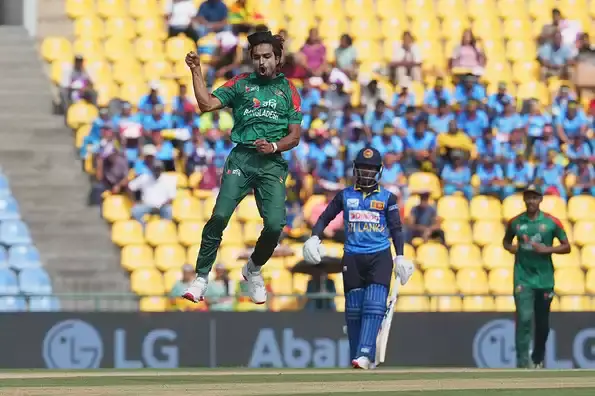
Elite teams possess diverse bowling tools. Bangladesh relies heavily on finger spin and medium pace, which becomes predictable against top batting lineups. To compete globally, they must invest in bowling variety.
Three main areas need urgent focus:
-
Wrist spin: A world-class legspinner instantly increases wicket-taking threat in middle overs.
-
Death-overs specialists: Yorkers, cutters, slower bouncers—Bangladesh must develop specialists who can defend totals.
-
Swing bowlers: Powerplay breakthroughs change match control; Bangladesh need consistent movement bowlers.
Once bowling variety expands, Bangladesh can attack big teams strategically—not reactively.
Mental Conditioning and High-Pressure Decision Training
Bangladesh often compete for 60–70% of a match but lose key moments. This pattern highlights a mental conditioning gap. Elite teams train for pressure decisions deliberately. Bangladesh must implement similar systems.
Players should train under simulated pressure environments—crowd noise, scoreboard strain, strategic constraints. They must practice defending 10 runs in the final over, or scoring 15 off the last six balls. The more the mind experiences pressure, the calmer it becomes on the field.
Bangladesh also need stronger leadership groups who can stay composed during collapses. Mental conditioning is no longer optional—it is a winning requirement.
A Modern T20 Template—Boundary Rate, Matchups, and Pace of Play
Bangladesh must embrace a modern T20 template built on aggressive intent. Big teams score boundaries consistently and use matchups intelligently. Bangladesh rely on accumulation too often, allowing games to drift away.
A modern template requires:
-
Boundary-hitting from top three batters
-
Floaters who shift batting order based on matchups
-
Strike rotation against spin
-
Data-driven bowling plans
-
Clear control over powerplay strategy
Bangladesh must evolve from conservative cricket to dynamic, matchup-oriented cricket. Tactical aggression wins modern T20s—not survival.
Conclusion
Bangladesh have passion, talent, and a strong cricketing culture. What they need now is structure, clarity, and a modern approach. They must build systems that produce specialised roles, enhance mental toughness, and encourage fearless cricket. Playing high-quality opponents, strengthening fitness standards, and expanding bowling variety will push them toward long-term success.
The gap between Bangladesh and elite teams is not permanent. It can be closed with decisive planning, smarter preparation, and a bold mindset shift. If Bangladesh invest in these seven areas, they will not just compete with big teams—they will start beating them consistently.