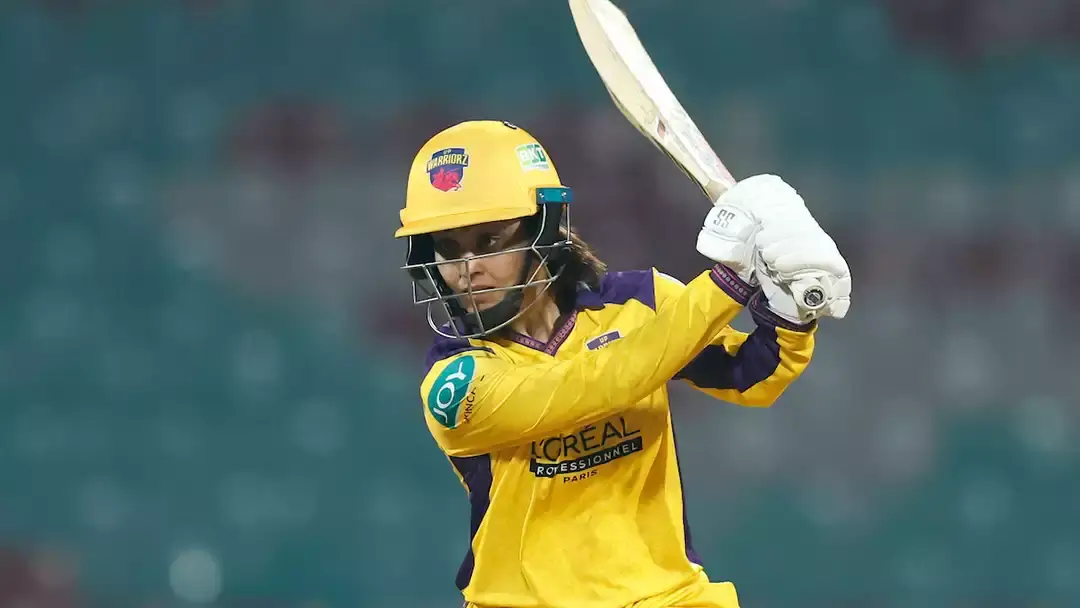
Cricket rarely gives players time to process disappointment. In the WPL, it moves even faster. Less than a day after being retired out, Harleen Deol walked back onto the field with a point to prove. The decision to end her innings early had sparked debate. Questions followed quickly. Confidence, form, and role were all discussed. Harleen chose the simplest response. She batted. Against Mumbai Indians, she played with freedom and intent. Boundaries came early. Pressure never settled.
Her unbeaten half-century carried UP Warriorz to their first win of the season. The knock was not loud with celebration. It was firm with clarity. Timing replaced force. Placement replaced panic. In one innings, Harleen reframed the entire conversation. Retired out became a footnote. Performance became the headline. In a tournament where roles shift quickly, she reminded everyone why trust still matters. This was not just a good knock. It was a statement built in less than 24 hours.
Table of Contents
ToggleThe Retired-Out Moment That Sparked Debate
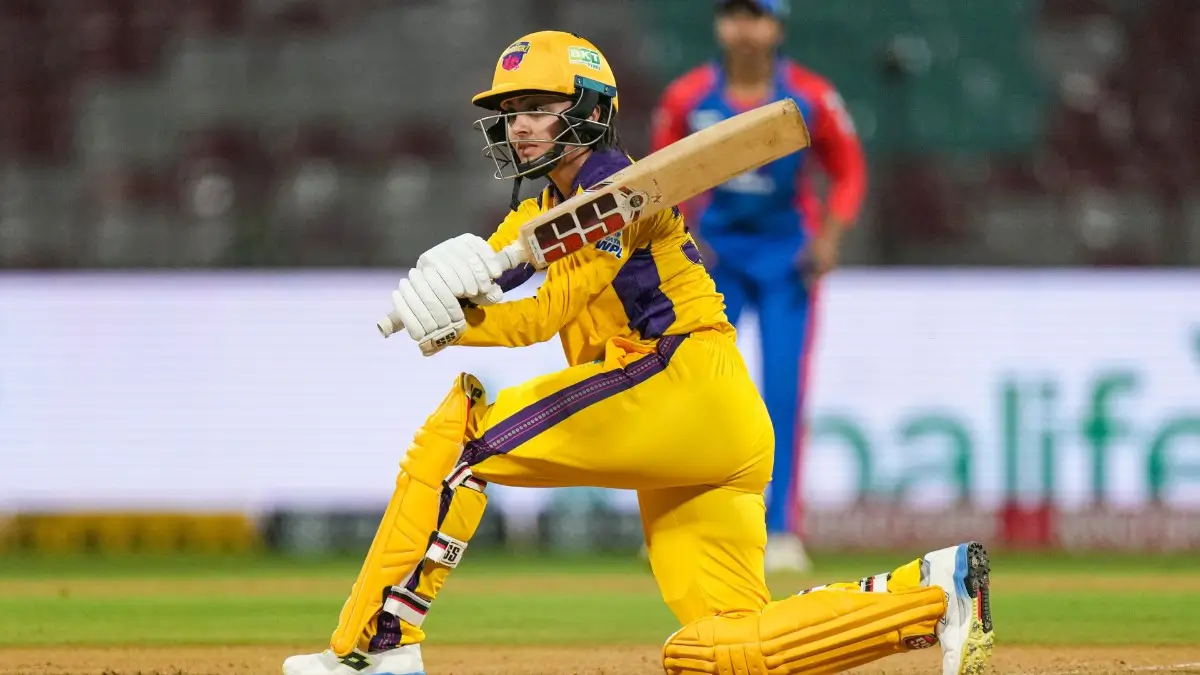
The previous match left visible scars. Harleen was batting fluently. The pitch was tricky but manageable. At the end of the 17th over, UP Warriorz made the call. She was asked to retire out. The idea was clear. Power hitters were waiting. Death overs needed acceleration.
From a tactical angle, it made sense. From a player’s angle, it stung. Harleen looked surprised. She asked for confirmation. Then she walked off. The innings ended at 47 from 36 balls. What followed made things worse. UP Warriorz managed only 13 runs from the final 18 balls.
The decision failed on the scoreboard. It also invited scrutiny. Fans questioned timing. Experts questioned impact. Even opposition voices reacted. The moment carried emotional weight. Retired out is still new. It carries stigma. Especially for senior players. Harleen did not protest publicly. She absorbed it quietly. But the challenge was now mental. Could she respond immediately? The answer came sooner than expected.
A Fearless Start Against Mumbai Indians
When Harleen walked out against Mumbai Indians, hesitation was absent. From ball one, intent was clear. She cut Nat Sciver-Brunt for four. Next ball, she drove Amelia Kerr through the off side. Width was offered. Harleen accepted every gift. The bat swing was free. The feet moved decisively. Three boundaries arrived in quick succession. There was no sign of caution. She wanted runs early.
Mumbai tried adjusting lines. The result stayed the same. Cuts pierced gaps. Drives beat fielders. Even Nicola Carey was punished for slight errors. This was not reckless hitting. It was clean timing. On a day when strike rates struggled, Harleen stayed ahead of the game. The message was loud without words. She belonged at the crease. No doubts remained.
A Match-Winning Half-Century Under Control
Harleen finished unbeaten on 64 from 39 balls. The innings never looked rushed. She chose shots wisely. The breeze made strokeplay difficult. Others found it hard to rotate strike. Harleen found gaps with ease. She became only the second Indian to score a half-century that season. More importantly, she guided the chase calmly. UP Warriorz crossed the target with 11 balls remaining. The chase never felt tight. Her presence settled the dugout. Singles kept flowing. Boundaries arrived when needed.
This was not a response driven by anger. It was driven by clarity. Harleen later explained it simply. Boundary balls came. She converted them. Timing mattered more than power. The pitch rewarded placement. She adapted. That awareness separated her from others that night. The redemption was complete in under 24 hours.
Handling Setback Without Losing Confidence
What impressed most was Harleen’s mindset. She did not carry baggage into the next game. She openly admitted the retired-out innings gave her confidence. The first two matches had been tough. That 47 showed progress. She learned the pitch demanded timing, not overhitting.
Instead of dwelling on the call, she focused forward. That mental reset is rare. Many players carry such moments heavily. Harleen treated it as information. Not insult. She accepted the team’s perspective. She trusted her own growth. That balance showed maturity. Her words reflected calm. Sometimes it is just your day. Sometimes it is not. Against Mumbai, it was. And she was ready.
Coach’s Explanation and Tactical Context
Coach Abhishek Nayar explained the thinking clearly. The conversation started early. Messages were passed around the 12th over. The plan depended on momentum. If acceleration did not come, power hitters would be used. Harleen was informed. This was not sudden. From the outside, it looked harsh. Inside the camp, it was discussed. In hindsight, the decision failed. But the intent was team-first.
Nayar emphasized communication. Players were kept in the loop. Post-incident, conversations focused on comfort and clarity. Listening mattered more than instruction. Harleen responded positively. Her team-first attitude stood out immediately. She reassured staff during the game itself. That reaction said a lot about her character.
Retired Out: Tactic or Taboo?
Retired out remains a grey area. T20 cricket evolves quickly. Tactics change faster than emotions. While teams see it as a tool, players feel its weight. Especially seniors. The stigma still exists. Public perception matters. Confidence can suffer. Harleen’s response may help normalize it.
Performance remains the strongest answer. As more players face it, conversations will soften. Sacrifices will be understood better. But during this transition phase, responses like Harleen’s matter. She showed how to reclaim narrative control. No statements. No drama. Just runs.
This innings does more than win one game. It stabilizes Harleen’s season. It strengthens her role. UP Warriorz gain clarity. She gains confidence. The team gains belief. For the league, it offers a reference point. Retired out need not define a player. Response does. Harleen Deol chose the hardest path. She answered with the bat. That answer was complete.