

India produced a complete performance in Cuttack to crush South Africa by 101 runs. The night started with a sticky pitch and heavy dew that made strokeplay difficult for most batters. India lost early wickets and seemed headed toward a below-par total before Hardik Pandya changed everything. His unbeaten 59 from 28 balls transformed the innings and lifted the side to 175 for 6.
The second half of the match showed how dangerous India become when their bowling attack hits rhythm. Arshdeep Singh struck with swing and movement that troubled every batter. His early burst removed Tristan Stubbs and Quinton de Kock to block South Africa’s chase. Jasprit Bumrah then took control with accuracy and subtle variations that made scoring difficult. Varun Chakravarthy and Axar Patel added pressure with tight spells that created constant wickets.
South Africa never looked comfortable as the pitch settled under the lights. Hardik returned with the ball and removed David Miller first ball to tighten control. The procession continued across a rapid collapse that ended at 74 all out. India completed one of their most dominant T20 wins in recent years.
This match also showed how India look when their preferred structure operates smoothly. The balance across batting and bowling appeared clear and confident throughout. Gautam Gambhir’s new ideas were visible in selection and execution. Cuttack offered several answers for India’s T20 World Cup plans.
India’s Early Struggles and the Challenge of Batting First
India faced difficult early conditions when the pitch gripped and stopped unpredictably. Shubman Gill and Suryakumar Yadav fell to mistimed shots against Lungi Ngidi’s steep bounce. The tall South African seamers extracted movement that troubled India’s middle order. Abhishek Sharma and Tilak Varma tried to rebuild but never found smooth rhythm.
India selected three left-hand batters in the middle overs to counter Maharaj. The idea focused on delaying spin and controlling matchups in tough phases. Yet the pitch reduced timing and removed risk-free scoring options. India moved forward through rotation but lacked boundary momentum.
The tension increased when India reached 78 for 4 in the twelfth over. A below-par total seemed unavoidable on a pitch expected to improve later. South Africa looked confident as they controlled pace and lengths. India needed a spark that changed tempo instantly to maintain the timeline.
Hardik entered that moment with calm urgency rarely seen under pressure. His early shots altered the innings and pushed South Africa backward. That shift restored belief and opened scoring lanes for the final overs. India turned a struggling start into a strong finish.
Why India Needed One Player to Break the Pitch Pattern?
Sticky surfaces often create slow innings that require brave shot selection. Teams usually rely on one batter to read conditions faster than others. Hardik understood length variations early after observing previous dismissals. His clarity allowed him to target specific matchups fearlessly.
The pitch improved slightly with dew but still punished poor footwork. Hardik’s stable base kept his head still across contact points. His clean swing prevented mistimed strokes common in earlier overs. These traits gave India a route to a competitive total.
Every over Hardik faced challenged South Africa’s comfort across phases. His counters forced field spreads that weakened bowling plans. One player shifted the match direction completely. That shift shows Hardik’s value in unpredictable T20 surfaces.
Hardik Pandya’s Fast Half-Century That Enabled a 100+ Run Win
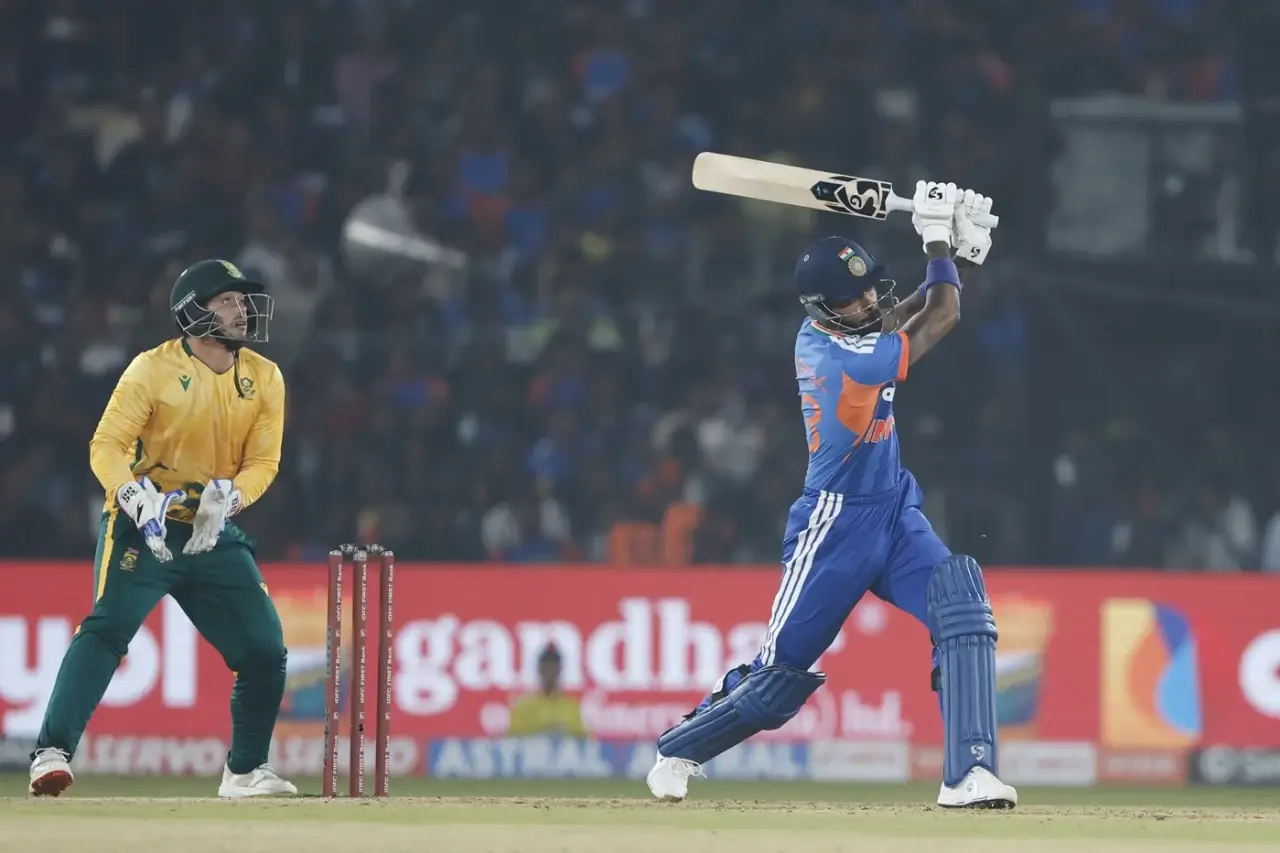
Hardik reshaped India’s total through timing and fearless shot selection. He attacked Keshav Maharaj with two no-look sixes that revived momentum instantly. His strike rate lifted India from near-par to competitive dominance. These shots pushed South Africa into defensive fields in tight overs.
He then took on Anrich Nortje with pace-assisted boundaries across cover. His ramp shot for fifty displayed confidence and tactical awareness. Hardik used Nortje’s speed to guide the ball over third man effortlessly. His understanding of angles gave India strong finishing overs.
Hardik’s acceleration in the final overs delivered 30 runs off the last two. This burst propelled India to a total far above expectations on the pitch. The difference created pressure that South Africa could not absorb. Hardik’s knock became the central turning point of the match.
India’s eventual 101-run margin came because Hardik raised the baseline. Without his innings, the target might not have challenged South Africa. His fifty shaped the outcome long before the chase began. This is why India treat Hardik as an essential finisher.
How Hardik’s Shot Selection Changed the Entire Chase Equation?
Hardik selected shots that immediately softened South Africa’s bowling strengths. His early sixes forced spinners wider and shorter across lines. His boundaries off Nortje removed the pace advantage from the attack. This mix profoundly disrupted their tactical comfort.
Each boundary adjusted South Africa’s required chase approach. They needed faster scoring from openers under pressure. Instead, early wickets created panic and sharply reduced options. Hardik had increased India’s grip even before bowling began.
His strike rate past 200 made the innings unmanageable for the opposition. The chase became one-sided once bowlers found early swing. Hardik’s reading of conditions shaped the entire match context, like in IPL.
Arshdeep Singh Sets the Tone With Early Movement

Arshdeep delivered a defining new-ball spell that trapped South Africa early. He removed Quinton de Kock with a swing that drifted and seamed away late. Stubbs then fell to a wobble-seam variation that forced an edge to Jitesh. These breakthroughs created instant scoreboard pressure.
His lengths attacked the top of off stump with clever seam angles. The South African batters struggled to get a grip on the sticky track. Arshdeep controlled pace through small changes across deliveries. These choices exposed footwork weaknesses in early overs.
His spell reduced South Africa’s chase to a state of survival rather than aggression. They lost rhythm and confidence against seam movement. India gained full control of the power play through discipline and variety. Arshdeep’s tone-setting changed the match direction quickly.
The confidence from early wickets lifted India’s mindset. Each bowler contributed with clarity and trust after the success with the new ball. India rotated bowlers confidently across matchups. Arshdeep’s early impact stood out as the spark for the collapse.
Why Arshdeep’s Role Matches Bumrah’s Strategy Perfectly?
Arshdeep’s swing aligns with Bumrah’s accuracy to create dual problems. Opponents face movement before encountering control and precision. These sequences rarely allow smooth power play scoring. Bowlers support each other through pressure cycles.
Arshdeep brings left-arm angles that open LBW and edge threats. Bumrah then attacks stumps with straight lines after swing phases. These combinations reduce boundary options across overs. Teams face two contrasting challenges quickly.
India grows stronger when both bowlers share rhythm in matches. Their skill blend suits slow and fast surfaces equally well. This partnership shapes India’s identity in T20 cricket. Cuttack showed the blueprint clearly.
Bumrah Joins the 100-Wicket Club in T20 Internationals
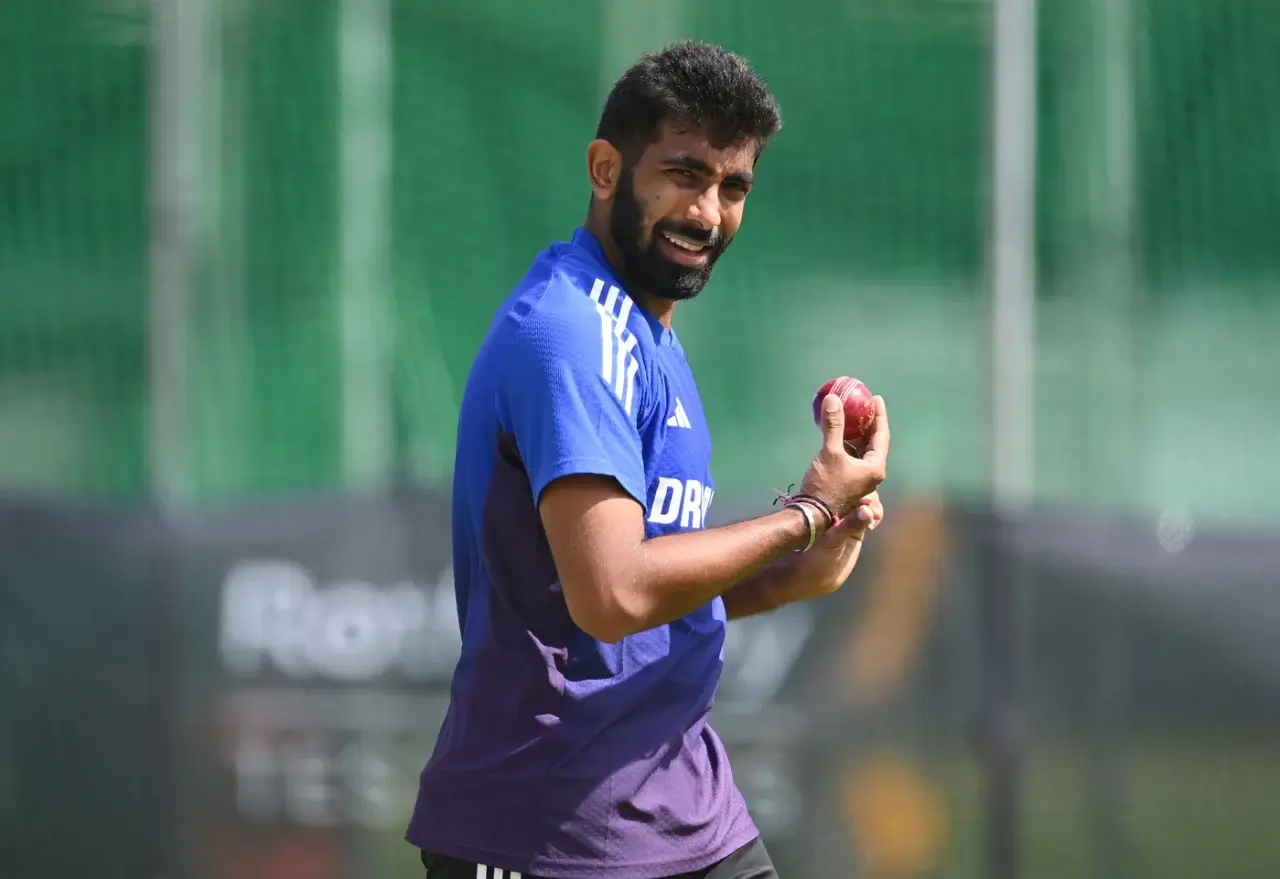
Jasprit Bumrah reached an elite milestone with his 100th T20I wicket. He became only the fifth bowler ever to achieve this across formats. His achievement reflects unmatched consistency and discipline in global cricket. Bumrah continues to redefine pace bowling in limited overs, like he does in Mumbai Indians.
His spell in Cuttack mixed accuracy and deception brilliantly. He targeted hard lengths with slight seam variations under lights. South African batters struggled to read his subtle changes in pace. His experience made their chase even more difficult.
The wicket that took him to the milestone symbolised his method. He created pressure through dot balls and forced a mistake. Bumrah then finished the innings with a rhythm that defined his legacy. India celebrated as another record strengthened his career.
This milestone also lifted the team’s energy in the field. Young bowlers admired his calmness under pressure. India respected how Bumrah anchors their attack globally. His presence continues to guide India through big games.
How Bumrah’s Milestone Reflects His Dominance Across Formats?
Few bowlers maintain elite levels across T20, ODI, and Test cricket. Bumrah adapts his skills across different surfaces quickly. He tracks batters’ movements and uses angles with purpose. His control grows with every international spell.
He also carries immense value in high-pressure matches worldwide. Batters rarely attack Bumrah successfully in death overs. His yorker accuracy remains unmatched across modern cricket. These traits define his long-term dominance.
This 100-wicket mark highlights his efficiency and consistency. Bumrah continues building a legacy matched by very few. He confidently strengthens India’s attack across all formats. Cuttack added another chapter to that journey.
Bumrah’s Partnership With Arshdeep That Controlled the Match
The Bumrah–Arshdeep pairing shaped South Africa’s collapse. Arshdeep attacked swing-based channels early with real movement. Bumrah followed with disciplined seam and tight lengths. Their contrasting styles consistently disrupted the scoring rhythm.
This blend created wicket pressure across every phase. South Africa faced unpredictable movement before encountering precision. Batters never settled before losing momentum. Partnerships are rarely formed under constant attacks.
The left-arm angle forced batters into uncomfortable footwork patterns. Bumrah then targeted stumps with straight lines that tested defence. India used these patterns to sharply define its boundaries. Their coordination showcased impressive planning.
This match marked one of the pair’s most complete spells together. India now views them as essential pieces for tournament strategies. Their control guides India’s tactical approach in big events.
Why This Duo Will Be Key in Upcoming World Tournaments?
Teams struggle against left-arm swing followed by elite seam accuracy. This combination sets traps before major scoring phases. It forces batters to take risks against middle-overs spinners. India benefits from wicket-based pressure loops.
Arshdeep brings variety in release points against right-handers. Bumrah attacks the middle and off stump to instantly tighten the margins. These sequences limit strike rotation in crucial overs. Opponents often lose shape in chasing phases.
India relies on this duo for major tournament success. Their partnership strongly elevates India’s bowling identity. Cuttack offered a preview of that long-term influence.
First Time Arshdeep and Bumrah Bowled Together in a Home T20I
This match marked their first joint appearance in a home T20I. The impact was felt immediately as their styles complemented each other perfectly. The home conditions allowed both to operate with tactical freedom. This environment helped shape their best combined performance.
Crowd energy supported both bowlers through every breakthrough. Their early control brought intensity that lifted the field. India gained confidence as it defended a challenging total. The home advantage effectively amplified their skill sets.
Arshdeep worked swing angles across wicket-to-wicket areas. Bumrah controlled the stumps with straight and deceptive lengths. Together they produced overs that felt suffocating for batters. This debut pairing succeeded beyond expectations.
India now understands the potential of this partnership within its own borders. Their chemistry will grow stronger across the upcoming series. The pair represent India’s modern fast-bowling strength.
Why This Combination Suits Indian Conditions Perfectly?
Indian pitches support seam movement under lights regularly. Arshdeep swings the ball early before the dew sets fully. Bumrah then uses hard lengths once the surface settles slightly. These patterns create layered difficulty for opponents.
The pair covers left-arm and right-arm variations efficiently. Batters must quickly adapt to movement from both angles. This reduces their ability to settle into a rhythm confidently. India gains control through tempo shifts across overs.
This pairing fits home T20 strategies elegantly. They anchor the bowling unit with balance and pressure. Their first joint appearance proved their potential strongly.
Gautam Gambhir’s Team Structure and the XI India Truly Needs
Gautam Gambhir’s influence was evident in the clarity of selection and the balance of roles. He backed all-around options that strengthened India’s depth. The lineup carried left-hand diversity and bowling flexibility throughout. These elements matched his aggressive cricketing philosophy.
The batting unit held defined roles across overs. The bowling plan featured coordinated attacks from seam and spin units. India appeared prepared for changing conditions across phases. Gambhir’s blueprint reflected fearless and positive cricket.
The XI also showcased strong bench strength across roles. Dube added finishing and medium-pace support when needed. Jitesh Sharma offered athletic keeping and smart decision-making behind stumps. Young batters played with trust and freedom under guidance.
This match featured a squad well-suited for future tournament demands. Gambhir’s structure looked clear, balanced, and confident. India now understands the composition urgently needed for success.
Why This XI Could Become India’s Most Stable T20 Combination?
A stable XI reduces confusion across big tournaments. India suffered earlier because of constant role adjustments. This group possesses defined and complementary skill sets. Hardik’s fitness completed the combination beautifully.
The batting order seamlessly blends experience and youthful dynamism. The bowling attack covers swing, seam, and mystery spin options. Fielders contribute athletic intensity across positions effectively. These strengths support clear match plans.
This XI may become India’s long-term foundation. Their chemistry looked natural and confident on the field. Gambhir’s trust in players built strong execution levels. Cuttack offered a strong signal for future competitions.
Conclusion
India delivered a commanding win in Cuttack, reflecting a balance and belief. Hardik Pandya lifted the innings with one of his finest T20 knocks. His 59 not out set India on course for a defendable total on a tricky pitch. Arshdeep Singh then dominated with an early swing that removed key batters quickly. Bumrah added pressure with a milestone-driven spell that showed his class. Together, they created a complete bowling performance that left South Africa without answers.
The collapse highlighted India’s enhanced depth under new leadership. Every bowler contributed effectively, and every spell served a tactical purpose. India rotated options based on matchups and controlled all phases. This coordination reflected strong planning from Gautam Gambhir’s think-tank. The XI looked settled and confident across roles. Their clarity allowed them to attack situations aggressively.
South Africa struggled to handle India’s discipline and energy. Their batters never adapted to movement or variations. India continued to put pressure until wickets fell regularly. Each dismissal tightened the chase further. The innings ended with India confirming dominance across both innings.
Cuttack offered insights for India’s upcoming tournament plans. Hardik’s form, Bumrah’s milestone, Arshdeep’s impact, and Gambhir’s clarity formed a complete picture. India now holds the strongest blueprint it has shown in recent years. This win signals a powerful start to their preparation cycle. India appears well-prepared for the challenges ahead.