

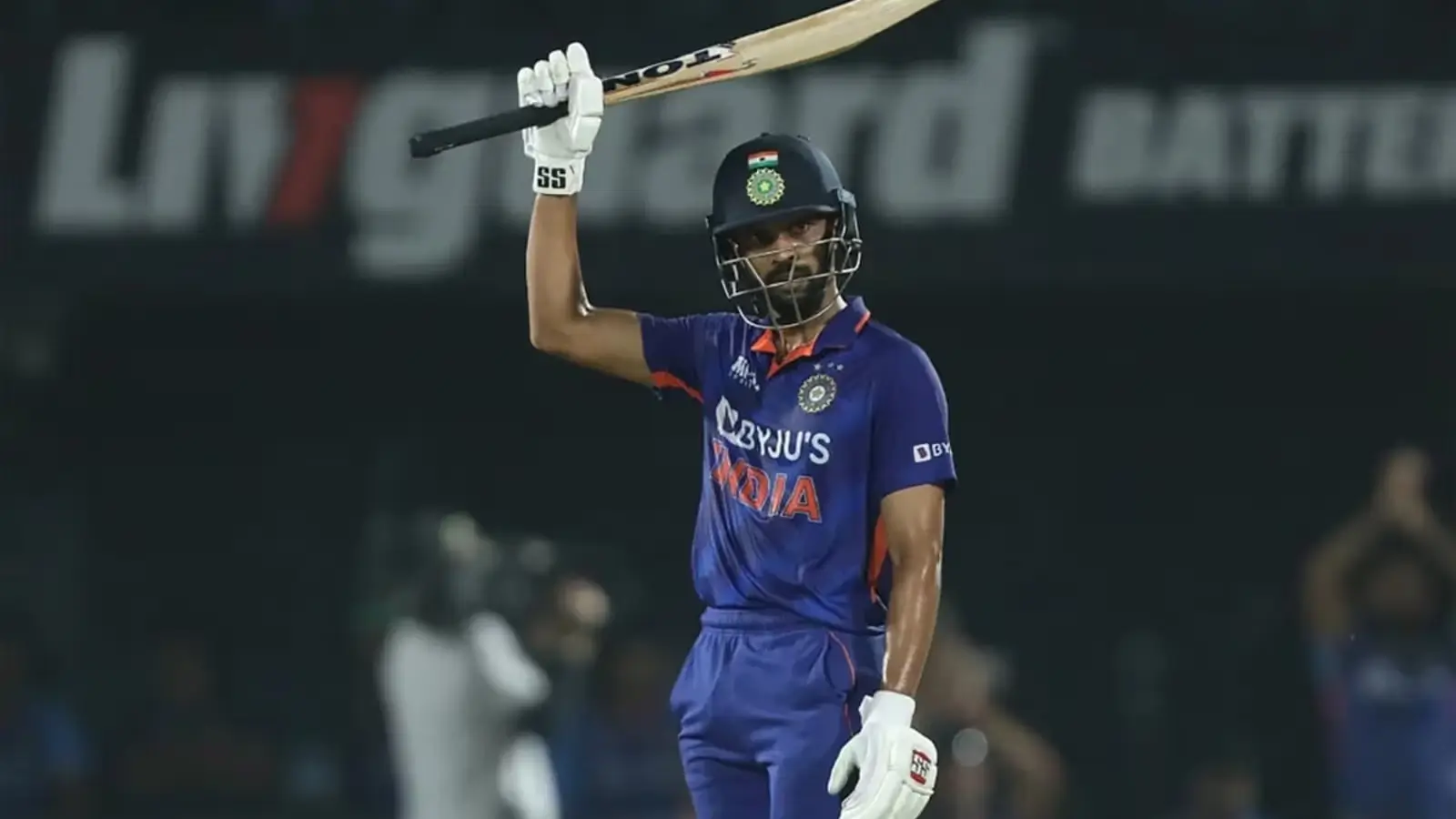
India’s second ODI in Raipur produced a rare script where two stories ran together but closed in opposite ways. Virat Kohli crafted a calm century on a slow pitch and guided young Ruturaj Gaikwad through a perfect middle-overs rebuild, which kept India alive after a tricky start. Their partnership showed remarkable control because both accessed the same safe areas and avoided high risk shots. The surface held slightly, so India focused on quick singles and steady rotation to keep the innings moving. This helped India reach a total that usually wins at home, especially against South Africa.
Gaikwad grew stronger after his fifty and changed gears with clean striking. His late-overs surge helped India cross 340, which looked competitive in these conditions. Kohli remained steady while Gaikwad exploded, and the blend worked perfectly for India’s planned blueprint. Their risk-free batting, middle overs control, and strike rotation showed a clear method. You can explore similar India strategies in the India vs South Africa analysis on our site.
But the match flipped in the chase. Aiden Markram played a captain-style innings filled with smart risk-taking. He corrected his earlier failure in Ranchi and set the tone for South Africa’s fearless middle order. Dewald Brevis and Matthew Breetzke attacked the dew-soaked surface and created fresh belief inside the group. This chase linked well with South Africa’s recent momentum across the subcontinent and resembled their confidence surge seen earlier in the India vs Bangladesh timeline. This match became a statement moment where both teams showcased different strengths but only one held its nerve under pressure.
How Gaikwad Matched Kohli Shot for Shot in the Middle Overs?
India needed calm batting to survive the two-paced pitch in the first innings. Kohli handled the challenge with simple plans and clear shot selection, which allowed him to collect steady runs. He avoided risky strokes square of the wicket because the bounce behaved unevenly on that angle. Gaikwad copied his method and found the same pockets of space with similar precision.
Their awareness made India look balanced during a crucial stretch. Kohli called for “tap and run” movements which reduced dot balls and kept the bowlers under pressure. Gaikwad stayed close to Kohli’s rhythm, which also protected him when powerful shots came through the non-striker’s end. Their strike rotation, gap access, and timing control helped India build a safe platform.
India reached a stage where acceleration felt natural and not forced. Gaikwad then shifted gears with clean lofted strokes and excellent footwork. His century showed that he can adapt his game depending on the match situation. This innings may influence India’s future middle-order plans if they explore a flexible No.3 or No.4 role. Their partnership did not win the match, but it created a blueprint India can use again.
Why Gaikwad’s Century Matters for India’s Long-Term Plans?
Gaikwad proved he can succeed away from his preferred opening role. His controlled acceleration, gap reading and patient build-up matched India’s desired middle-order traits. This format demands players who handle both the older ball and late pressure. Gaikwad showed he can manage these roles with a calm mindset.
India often search for batters who blend stability and power. Gaikwad’s knock offered that mix with ease. He responded to Kohli’s guidance and absorbed every detail he learned in the partnership. His quick move from fifty to hundred showed that he can shift tempo without reckless shots.
This growth becomes useful when injuries or form issues appear in the squad. India can now trust Gaikwad for more than one batting slot. His innings may also influence future team combinations in series like the India vs South Africa timeline. This knock may become a reference point when selectors examine flexible batting options.
How Markram Repaired His Ranchi Error and Controlled the Chase?
South Africa entered this chase with confidence rising across recent tours. Markram wanted to fix his early dismissal from the Ranchi game, which placed pressure on his team. He batted with freedom and purpose right from the first over. His timing looked sharp and his understanding of the pitch improved quickly. He took early pressure off Temba Bavuma and rebuilt the innings in calm phases.
He then adapted his strike rate depending on the bowlers. Kuldeep Yadav challenged him, but Markram handled that spell with care. When pace returned, he attacked with clean swings over mid-wicket and long-off. His tempo control, boundary placement, and risk judgment kept South Africa ahead.
Markram’s hundred came slower than usual, but it matched the chase perfectly. He understood the value of preserving wickets because dew made the ball skid more predictably. His knock allowed the younger hitters to play freely later. The innings felt like the ideal blend of leadership and aggression. When he fell, South Africa still looked comfortable because his platform opened the door for the finishers.
Brevis and Breetzke Shift Momentum in Dew-Heavy Conditions

Brevis attacked immediately as soon as the field opened up. His clean ball striking and fearless intent forced India to change plans. He targeted Kuldeep and Prasidh, which broke India’s control. Breetzke then managed the chase calmly and allowed Brevis to take bigger risks. His maturity stood out because he avoided unnecessary shots.
The dew helped both batters time the ball cleanly. India struggled to grip the ball, especially in slower variations. Brevis lifted the required rate pressure with big swings, while Breetzke stayed smart with singles. Their partnership created breathing room for the finishers.
Even after wickets fell, South Africa never panicked. Their lower order, including Marco Jansen and Corbin Bosch, completed the chase with confidence. This belief is linked to their recent strong finishes across formats, as shown in match threads like the India vs Bangladesh timeline. Their middle order now looks stronger than ever.
Conclusion
This match demonstrated how two teams can follow perfect plans yet still achieve different outcomes. India trusted their experience and built their innings around Kohli’s control. Gaikwad added fresh quality with his smooth hundred and matched Kohli’s intelligence throughout their partnership. Their middle-overs design worked perfectly because they avoided risk and punished loose balls. This gave India a score that usually holds up in home conditions, especially before dew arrives.
However, South Africa adapted more quickly when conditions changed. Markram set the chase with disciplined aggression, creating a strong foundation for the middle order. Brevis and Breetzke then attacked with confidence once the ball skidded under the lights. Their fearless habits of playing carried the team through a tough phase. Bosch and Jansen finished calmly, showing South Africa’s new depth and belief.
India can still take positives because Gaikwad’s flexible role adds variety to their lineup. Kohli remains consistent and continues shaping younger players. But they must find stronger defensive plans for dew-heavy chases. South Africa, on the other hand, confirmed they can win big targets even in India. Their confidence will carry into the final game, where momentum sits on their side. This match ended as a powerful reminder that strategy, adaptation, and belief matter as much as skill.