

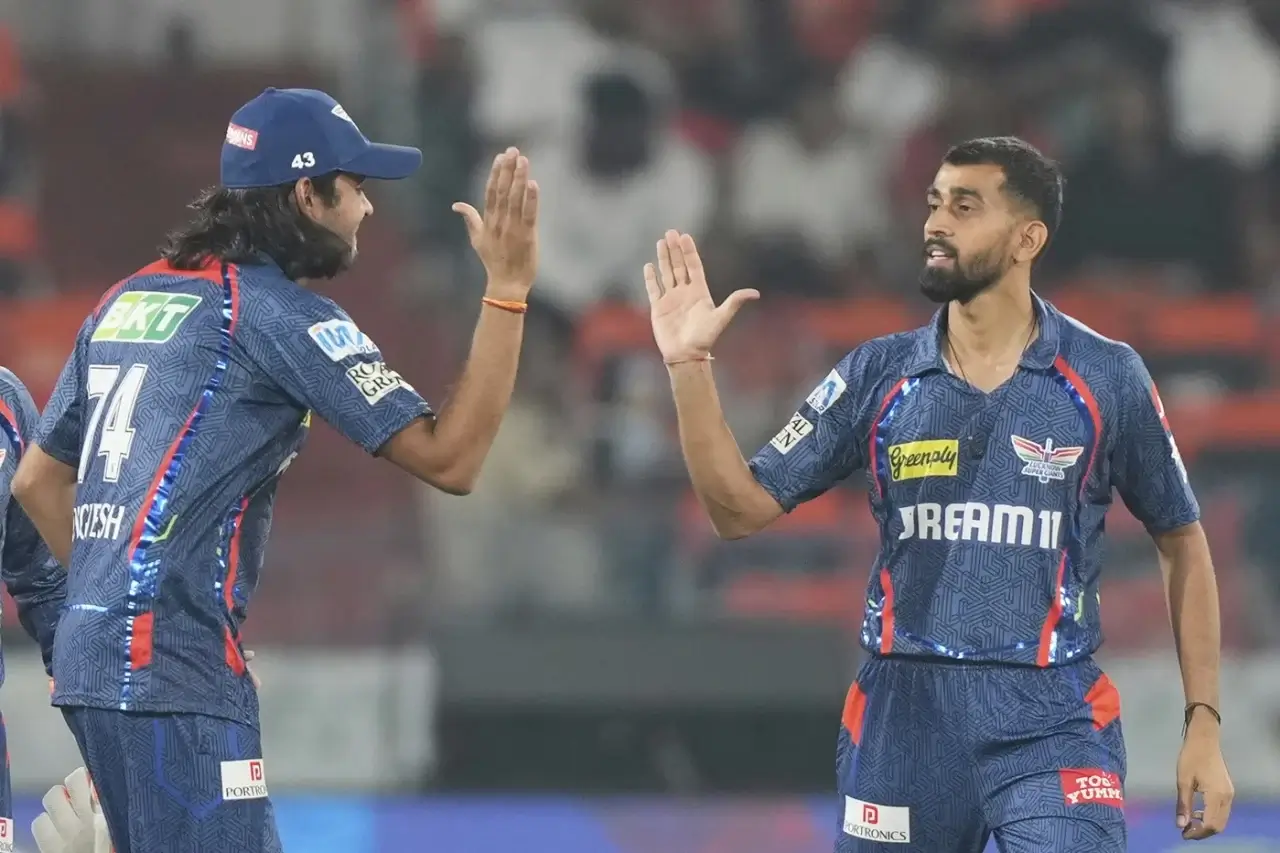
Prince Yadav’s journey is not a smooth success story. It is built on struggle, rejection, and stubborn belief. From bowling with a tennis ball in dusty village fields to knocking over international stars in the IPL, his path has been a winding one. Many players fade after early setbacks. Prince refused to. A ban, poor IPL numbers, and domestic drops could have ended him. Instead, they reshaped him. Now, with domestic form backing him again, Prince stands at another career crossroads.
The upcoming IPL season could define his future. His story matters because it reflects a larger truth. Talent alone is not enough. Survival in Indian cricket demands patience, adaptability, and mental strength. Prince has learned all three the hard way. This is the story of how he rebuilt himself again, and why this IPL season could finally reward his persistence.
From Village Fields to Competitive Tennis-Ball Cricket
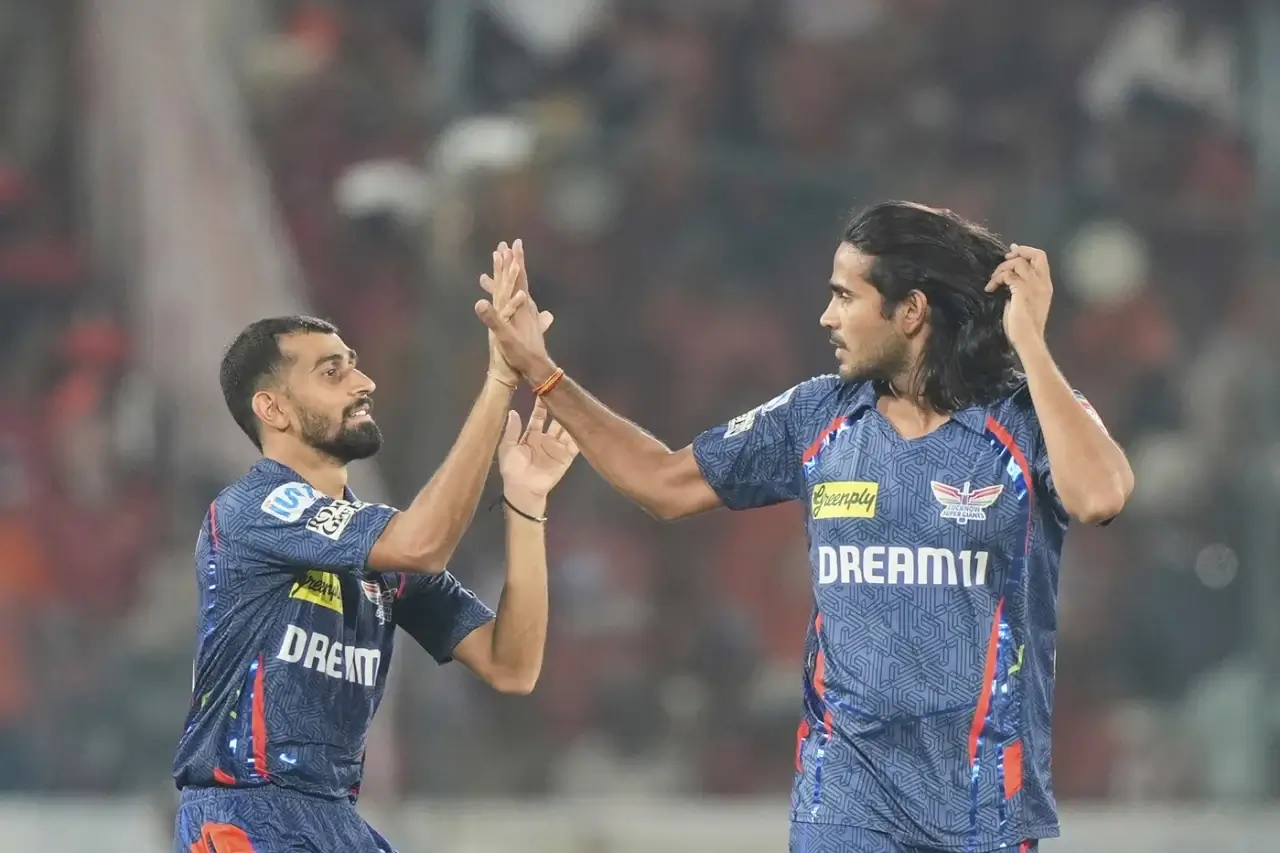
Prince Yadav grew up far from structured coaching setups. His early cricket education came from open fields near Najafgarh. Tennis-ball cricket was not a hobby for him. It was a daily obsession. He skipped school regularly to play matches. Over time, his reputation grew in local circuits. Soon, he began travelling across states for paid tennis-ball tournaments. These games were intense, fast, and unforgiving.
Bowlers survived only if they could consistently nail yorkers. Prince learned to bowl fast, low, and accurately under pressure. This environment sharpened his instincts early. Unlike academy-trained bowlers, he learned through trial and error. Every bad over meant fewer future games.
This constant pressure shaped his mindset. It also built the foundation of his most lethal weapon. Even today, his yorker remains his biggest strength. Tennis-ball cricket gave him speed, hunger, and fearlessness. Those qualities still define his bowling identity.
The Shift to Leather Ball Cricket Changed Everything
Prince’s transition to leather-ball cricket came late. Until 17, he had never held a leather ball. That changed when local players pushed him into a village tournament. There, he caught the attention of Lalit Yadav and other Delhi cricketers. Their advice was simple. Join an academy. Learn properly.
Prince listened. At the Sporting Cricket Club, he faced a steep learning curve. Swing, seam, length, and patience were all new concepts. Early on, he struggled. But his raw pace stood out. Coaches helped refine his action and control. Most importantly, he learned when not to bowl yorkers.
This phase tested his adaptability. Many tennis-ball bowlers fail here. Prince survived because he accepted learning. His under-19 selection soon followed. It proved that raw street talent could still break into structured cricket, if guided correctly.
Early Domestic Promise and a Career-Halting Ban
Prince’s under-19 numbers were solid, not spectacular. He performed steadily in age-group tournaments. However, just as he was nearing senior breakthroughs, disaster struck. In late 2020, the BCCI handed him a two-year ban for age-related discrepancies. The ruling crushed his momentum.
Worse, it forced him out of age-group cricket permanently. For many players, this would have ended ambition. Prince returned to tennis-ball cricket during the ban period. It kept him match-fit and mentally alive. Still, the setback hurt deeply.
Watching peers progress while he waited tested his resolve. When the ban ended, he had no guarantees. Only senior cricket awaited him. No safety nets. This phase hardened him. It also removed entitlement. From that point, every chance felt precious. The ban delayed his rise but strengthened his mindset.
Domestic White-Ball Cricket Becomes His Safe Space
After his return, Prince focused fully on limited-overs cricket. Red-ball opportunities were inconsistent. White-ball formats suited his skills better. In the Syed Mushtaq Ali Trophy and Vijay Hazare Trophy, he delivered consistently. His economy rates stayed tight. His wicket-taking improved.
For Delhi, he became reliable during crunch overs. This consistency rebuilt trust among selectors. Unlike earlier phases, he now understood match situations better. He mixed yorkers with hard lengths. Slower balls became smarter. His numbers backed his growth. Domestic white-ball cricket became his strongest platform. It was also where IPL scouts noticed him again. Form, not hype, carried him forward this time.
Delhi Premier League Opens the IPL Door Again
The Delhi Premier League proved decisive for Prince. Playing for Purani Dilli 6, he impressed in high-pressure games. The league gave him visibility beyond scorecards. He bowled in front of influential decision-makers. His captain was Rishabh Pant. The coach was Vijay Dahiya.
Both had IPL influence. Prince responded with control and courage. Thirteen wickets in ten matches confirmed his readiness. The performances also helped him regain domestic footing. Soon after, Lucknow Super Giants picked him at the IPL auction. The price was modest. The opportunity was massive. For Prince, this was validation. The league didn’t just get him an IPL contract. It restored his place in serious cricket conversations.
First IPL Season: Lessons More Than Numbers
Prince’s IPL debut season was mixed. He played six matches. The wickets were few. The economy rate was high. On paper, it looked underwhelming. But context matters. He entered early due to injuries in the squad. Pressure was immediate. Batters attacked him fearlessly. Yet, his highlights mattered.
All his IPL wickets came via yorkers. Most notably, he dismissed Travis Head with a perfect delivery. Mentorship played a key role here. Zaheer Khan worked closely with him. They refined his action and game awareness. Prince absorbed those lessons. He left the season wiser. Sometimes, survival itself is growth.
Why the Next IPL Season Could Be Different?
Prince enters this IPL season with momentum. His ongoing Vijay Hazare Trophy numbers are strong. His economy has dropped significantly. More importantly, his confidence looks settled. Lucknow Super Giants have retained him. That trust matters. He now understands IPL intensity better. He knows his role expectations.
With fitness improving around him, competition will be higher. But Prince thrives when challenged. His journey proves that. If used smartly in death overs, his yorkers can still hurt teams. Consistency will decide his future. This season is less about proving talent. It is about proving reliability. For Prince Yadav, this may finally be the season where preparation meets opportunity.