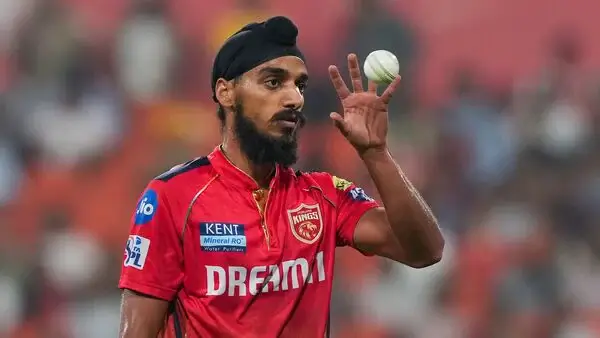
In the Punjab Kings versus Mumbai Indians rivalry, matches rarely end early. They stretch deep, often alive until the final five overs. That is where outcomes become predictable. Mumbai Indians finish games. Punjab Kings lose control. This pattern repeats across seasons, venues, and squads.
Death magnifies every weakness. One missed yorker becomes a boundary. One misfield becomes momentum. Mumbai Indians treat overs 16 to 20 as a planned operation. Punjab Kings often treat them as a damage control measure. That difference alone explains why close games lean heavily toward Mumbai.
Over time, death overs have become the defining phase of this rivalry. Not powerplays. Not middle overs. The final twenty balls decide everything.
The Numbers That Reveal the Death Overs Gap Clearly
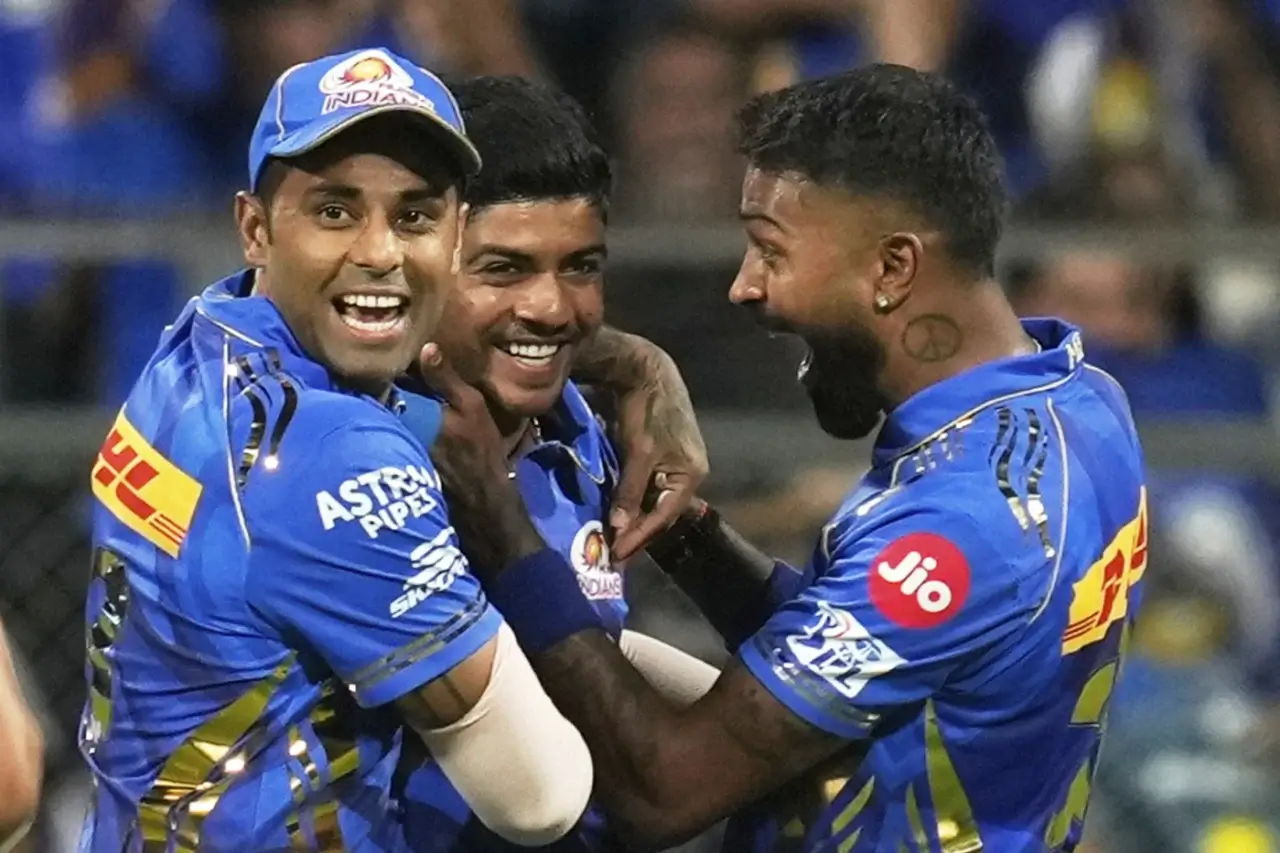
When overs 16 to 20 are isolated, the statistical gap between the two teams becomes obvious. Mumbai Indians concede fewer runs, take more wickets, and force more dot balls. Punjab Kings leak runs and lose set batters trying to recover momentum.
ESPN-style Death Overs Snapshot (Overs 16–20):
| Team | Avg Runs Per Over | Wickets Lost | Dot-Ball Percentage |
|---|---|---|---|
| Mumbai Indians | Low (8–10) | Few | High |
| Punjab Kings | High (12–15) | More | Low |
These numbers hold steady across multiple IPL cycles. Squad changes do not disrupt the pattern. Mumbai Indians control chaos. Punjab Kings get consumed by it.
Jasprit Bumrah: The Ultimate Death Overs Separator
When pressure peaks, Jasprit Bumrah changes the game’s probability instantly in this timeline. His yorker accuracy, slower-ball disguise, and calm presence suffocate batting momentum. Against the Punjab Kings, his death overs spells repeatedly stall chases or shut down late hitting.
Bumrah does not rely on raw pace. He relies on denial. Batters cannot line him up. Guesswork replaces confidence. Singles replace boundaries. Punjab Kings’ hitters often run out of options rather than shots.
Mumbai Indians build their death overs strategy around Bumrah. Punjab Kings rarely have a bowler who offers the same certainty. That imbalance defines finishes.
Mumbai Indians’ Role Clarity at the Death
Mumbai Indians enter death overs with absolute clarity. Bowlers know which overs they own. Fielders know exact positions. Captains do not improvise under stress. Plans remain fixed even after boundaries.
Punjab Kings often change fields mid-over. Bowlers shift lengths after one bad ball. That hesitation creates openings. MI batters sense uncertainty immediately and attack it.
Death overs reward simplicity. Mumbai Indians keep plans tight. Punjab Kings search for solutions while the game slips away.
Punjab Kings’ Death Overs Batting: Power Without Precision
Punjab Kings frequently reach the death overs with a platform. That advantage rarely converts into dominance. Big hitters swing early. Placement disappears. Dot balls pile up quickly.
Mumbai Indians bowlers force risky shots by protecting boundaries. Wide yorkers and hard lengths deny free swings. Punjab Kings batters chase sixes when fours are enough. Pressure accelerates poor decisions. Power without precision fails late. Mumbai Indians exploit that flaw repeatedly.
The Kieron Pollard Template in Successful Chases
When Mumbai Indians chase, the script flips decisively. Kieron Pollard defined how MI finish games against Punjab Kings. He absorbed pressure early and waited for matchups. One over often became decisive.
Punjab Kings’ bowlers lost control of lengths under that pressure. After Pollard, Mumbai retained the same finishing template. Calm hitters. Clear matchups. One decisive over.
Once MI sense weakness, they do not let go.
Punjab Kings’ Bowling at the Death: Repeating Patterns
Punjab Kings’ death bowling issues repeat every season. Yorkers miss length. Slower balls sit up. Short balls disappear into stands. Fielders retreat too early.
This is not purely a skill issue. It is a confidence issue. Bowlers abandon plans mid-over. Mumbai Indians need only two bad deliveries per over. Punjab Kings often offer three or four. That margin decides matches instantly.
Fielding Discipline: The Silent Death Overs Advantage
Mumbai Indians save runs late through bowlers like Jasprit Bumrah. Boundary riders cut angles. Inner-ring fielders attack singles. These actions reduce scoring options without taking wickets.
Punjab Kings concede crucial twos and misfield boundaries. Those extra runs change equations immediately. Death magnifies small errors brutally. Fielding does not appear loudly on scorecards. It decides death overs consistently.
Match Flow Pattern: How MI Close and PBKS Collapse
ESPN-style match flow insight:
-
Overs 1–15: Matches remain competitive
-
Overs 16–18: MI slow scoring, PBKS lose shape
-
Overs 19–20: MI accelerate, PBKS panic
This pattern repeats season after season. Mumbai Indians dictate tempo. Punjab Kings react to it. The ending feels inevitable.
How Punjab Kings Can Fix Their Death Overs Problem
Punjab Kings must start with role clarity. Two fixed death bowlers per season, not per match, are essential. Muscle memory matters more than variation.
Length discipline must replace experimentation. Yorkers and hard lengths must be default options. Variation should follow control, not precede it.
Batting training must focus on percentages, not hero shots. Rotating strike under pressure should be prioritised over boundary hunting. Fielding standards must improve late. Saving twos alone could cut ten runs per innings.
Finally, leadership must slow the game. Death overs are about tempo control, not aggression. Mumbai Indians understand that deeply. Punjab Kings must learn it systematically.
Why This Keeps Happening Season After Season?
Mumbai Indians retain philosophy. Punjab Kings change direction frequently. Continuity matters most at the death.
MI prepare for pressure. PBKS experience it. Preparation always wins over reaction. Until Punjab Kings fix structural clarity, close matches will continue slipping away late.
Mumbai Indians do not dominate Punjab Kings loudly. They dominate them late. Death overs reveal the difference between control and chaos.
This phase explains the Punjab Kings vs Mumbai Indians timeline better than any other metric. When pressure peaks, MI execute. PBKS hesitate.
That is why Mumbai Indians keep winning the close ones.