Nadine de Klerk produced a career-best 84 not out in Visakhapatnam. Her innings came under immense pressure in a World Cup thriller. Richa Ghosh’s 94 nearly stole the game for India. The match swung wildly, making it one of the tournament’s most gripping contests.
India posted a challenging 251 with late hitting from Ghosh and Sneh Rana. South Africa stumbled to 81 for five inside the Powerplay and middle overs. Laura Wolvaardt and Chloe Tryon steadied the chase with a vital partnership. De Klerk then changed the game, scoring rapidly under clear pressure.
The fielding moments mattered as much as the big hits in the match. Kranti Gaud’s return catch and Deepti’s reflex grabs defined momentum shifts. South Africa’s bowlers created chances but India’s lower order lifted totals effectively. Ultimately, it was De Klerk’s calm finish that decided the result.
This game reshapes the points table and net run-rate calculations rapidly. South Africa now sits level with England and India in points, slightly behind on net run-rate. The contest also highlighted tactical responses to left-arm spin across teams. Coaches and analysts will study this match for its late-innings scripts.
Why De Klerk Outpunched Ghosh In the Clutch?

De Klerk timed her acceleration perfectly across the final overs of the chase. She shifted from cautious singles to explosive hitting within a short period. Her fifty came from a cluster of boundaries and well-timed sixes. That burst erased a daunting deficit and broke the match open strategically.
Chloe Tryon’s partnership with Wolvaardt enabled De Klerk to exploit tired bowling options. When Tryon fell, De Klerk took responsibility and kept the strike intentionally. She hit Rana for successive boundary blows before taking calculated singles. Those decisions balanced risk and scoreboard pressure expertly during tense moments.
India’s bowlers had earlier choked scoring through tight middle overs and smart field placements. They reduced boundaries, forcing batters into tentative strokes under pressure. Still, India conceded 98 runs in their final ten overs when batting, changing the chase dynamics. That late scoring in India’s innings ultimately required South Africa to show similar aggression to win.
De Klerk’s temperament showed in choosing when to attack and when to rotate strike. She remained calm when Ghosh sought treatment for a hamstring knock late in the game. Small tactical moves, like keeping strike, demonstrated her match awareness and focus. In the end, her clear execution under duress defined the match’s final twelve overs.
Key moments that swung the contest
Kranti Gaud’s remarkable return catch early reduced South Africa to a nervous start. That moment briefly put India in complete control during the chase’s early phase. Later, Rana’s slower ball bowled Kapp, a turning point for India’s bowling surge. De Klerk’s late boundary barrage finally erased India’s advantage and sealed a thrilling victory.
Ghosh Heroics and India’s Last Flurry

Richa Ghosh’s 94 rescued India from mid-innings collapse and pushed the score competitive. She combined reverse sweeps and straight drives to break partnerships decisively. Her partnership with Amanjot Kaur steadied India when wickets tumbled regularly. Sneh Rana’s late cameo also helped India reach a testing total.
India’s innings featured early powerplay success before South Africa clawed back with disciplined bowling. Spinners and seamers both struck crucial blows during the middle overs. Ghosh accelerated in the final ten overs, adding 98 runs to reach an imposing total. Her dismissal on 94 was a dramatic moment that underlined personal heroics in team context.
Yet India’s fielding lapses and scattered moments of dropped chances affected momentum. A couple of missed opportunities allowed South Africa to stay within reach during the chase. De Klerk capitalised on those openings through decisive hitting and smart running. The match proved that late-order contributions can flip classical expectations rapidly.
India must assess how to finish innings with more control in future matches. Reliance on lower-order fireworks risks exposing defensive frailties in crucial games. Ghosh’s innings, while brilliant, cannot hide broader tactical adjustments required. Coaches will likely tighten plans for fielding and late-overs bowling strategy.
Why Ghosh’s 94 still mattered?
Ghosh’s near-century kept India competitive and shifted pressure onto South Africa consistently. She played through intense phases and revoked momentum from early bowling dominance. Her shot selection showed maturity and fearless counterattacking under duress. Although India lost, Ghosh’s innings remains a template for rescue efforts under pressure.
How left-arm spin created pressure late in the innings?
South Africa’s batting line-up remains heavily right-handed and therefore vulnerable to left-arm spin. Matches earlier in the tournament exposed their trouble against left-arm fingerspin exploits. In Guwahati, similar tactics by England and Pakistan produced early collapses for South Africa. That pattern forced teams to examine left-arm spin as a tactical weapon against them.
Wolvaardt’s patient fifty showed one way to counter left-arm spin through measured footwork. Other top-order players struggled with moving away and playing the ball late consistently. The powerplay scoring rate against left-arm spin has been notably low for South Africa this tournament. Opposition captains can now deploy left-arm spinners early to create pressure and wickets quickly.
India’s planning benefits from multiple left-arm options, giving them tactical flexibility for Visakhapatnam. If Radha Yadav features, she could exploit angles that challenge South Africa’s right-hand heavy line-up. South Africa must improve movement and strike rotation against turning balls in early overs. Coaches will likely focus on preparation for left-arm variety in subsequent matches.
This match again underlines the strategic value of bowling variety in tournament cricket today. Teams that balance left-arm and right-arm spin gain tactical unpredictability and options. South Africa’s route forward requires both technical correction and mental readiness against such threats. The tournament may pivot around how teams solve this common tactical puzzle quickly.
Left-arm spin alters angles and forces right-hand batters to defend outside their stumps more often. It invites uncertainty on footwork and timing, especially with a gripping surface underfoot. Bowling two left-arm options or varying the ball early can suffocate scoring rates in powerplays. South Africa’s earlier struggles reinforce why left-arm planning deserves high priority now.
Tactical Lessons and Implications for the Tournament
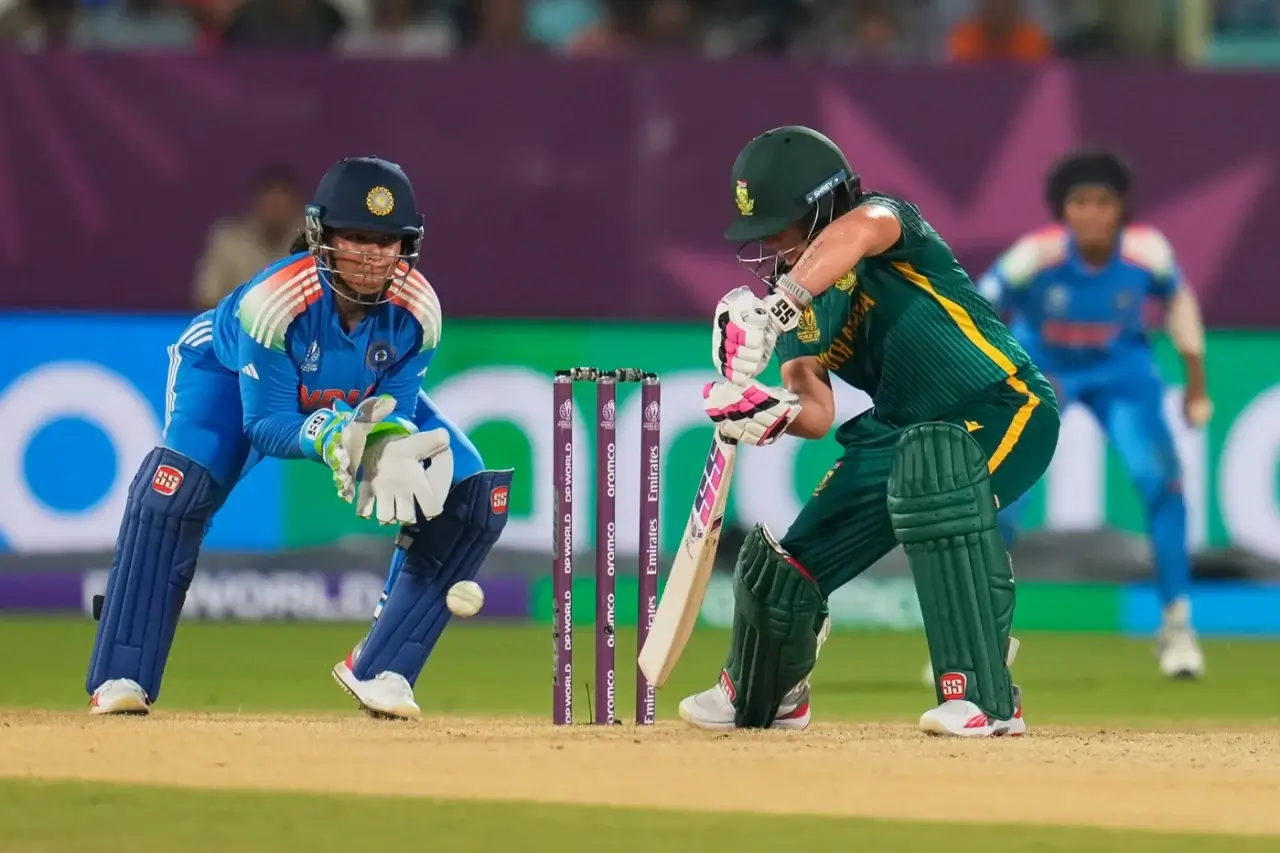
This match emphasises depth in batting and the value of adaptable finishers under pressure. Teams must prepare for fluctuating momentum across final ten-over phases consistently. Fielding standards and catching moments decide tight World Cup matches as much as big scores. Coaches should prioritise late-overs bowling strategies and situational rehearsals in practice.
Net run-rate and table position now shift with this unexpected result for India and South Africa alike. South Africa’s win advances them in standings while India must protect net run-rate ahead. Tournament math means every boundary saved or wicket taken matters across rounds. Teams will re-evaluate selection and in-game tactics to maintain tournament advantages.
For South Africa, building confidence from this chase matters even more than the numerical points. The belief to chase down 252 after early collapse creates momentum for future matches. India, meanwhile, requires refined death bowling plans and perhaps rotation of overs among trustworthy bowlers. Both teams should adopt small adjustments rather than radical overhauls after this result.
Final takeaways include the power of lower-order contributions and the lasting impact of tactical spin deployment. Coaches will dissect this match footage for field placements, bowling variations, and batting tempo shifts. The World Cup remains early and fluid, with many teams capable of similar thrilling swings. Expect more tactical chess as teams sharpen plans for the knockout run.
Conclusion
Nadine de Klerk’s unbeaten 84 now sits among the tournament’s most decisive innings. Her controlled aggression erased a deep South African deficit under intense World Cup pressure. Richa Ghosh’s 94 remains a monumental effort, even in defeat, showcasing India’s fighting depth. The match highlighted both individual brilliance and evolving tactical fronts in the tournament.
South Africa’s ability to recover from 81 for five shows resilience and mental strength across their group. India must answer tactical questions about late-overs defence and left-arm spin preparation soon. Coaches and analysts will mine this match for lessons on fielding, rotation, and clutch batting roles. For broader context on team timelines and evolution, see the India v Bangladesh timeline here.
This thriller proves World Cups reward both bravery and strategic nuance equally on any given day. Expect teams to adapt quickly after watching Visakhapatnam’s dramatic turnaround unfold. The tournament promises more edge-of-the-seat contests as squads refine plans under pressure. Fans should brace for more matches decided by small margins and smart tactics.