


Boxing Day Tests usually follow a script. Big crowds arrive early. Batters settle in. Bowlers wait patiently. This one tore that script apart by lunch. The roar for Scott Boland edging a boundary summed up the madness. Australia were already batting again. That alone explained the day.
A record 94,199 fans packed the Melbourne Cricket Ground, expecting tradition. Instead, they witnessed something closer to bedlam. Twenty wickets fell. Both teams folded. Context disappeared. Logic followed.
This was not random chaos. It was modern Test cricket laid bare. High-quality seam bowling met fragile batting mindsets. Conditions demanded patience. Batters offered impatience instead. The pitch will be debated. The selections will be questioned. But the real story was decision-making under pressure.
By stumps, Australia had already batted twice. England barely crossed three figures. A night watchman opened. A fast bowler looked desperate to bowl again. Boxing Day had become a mirror of where Test cricket stands today.
The Pitch That Everyone Feared, Then Overthought
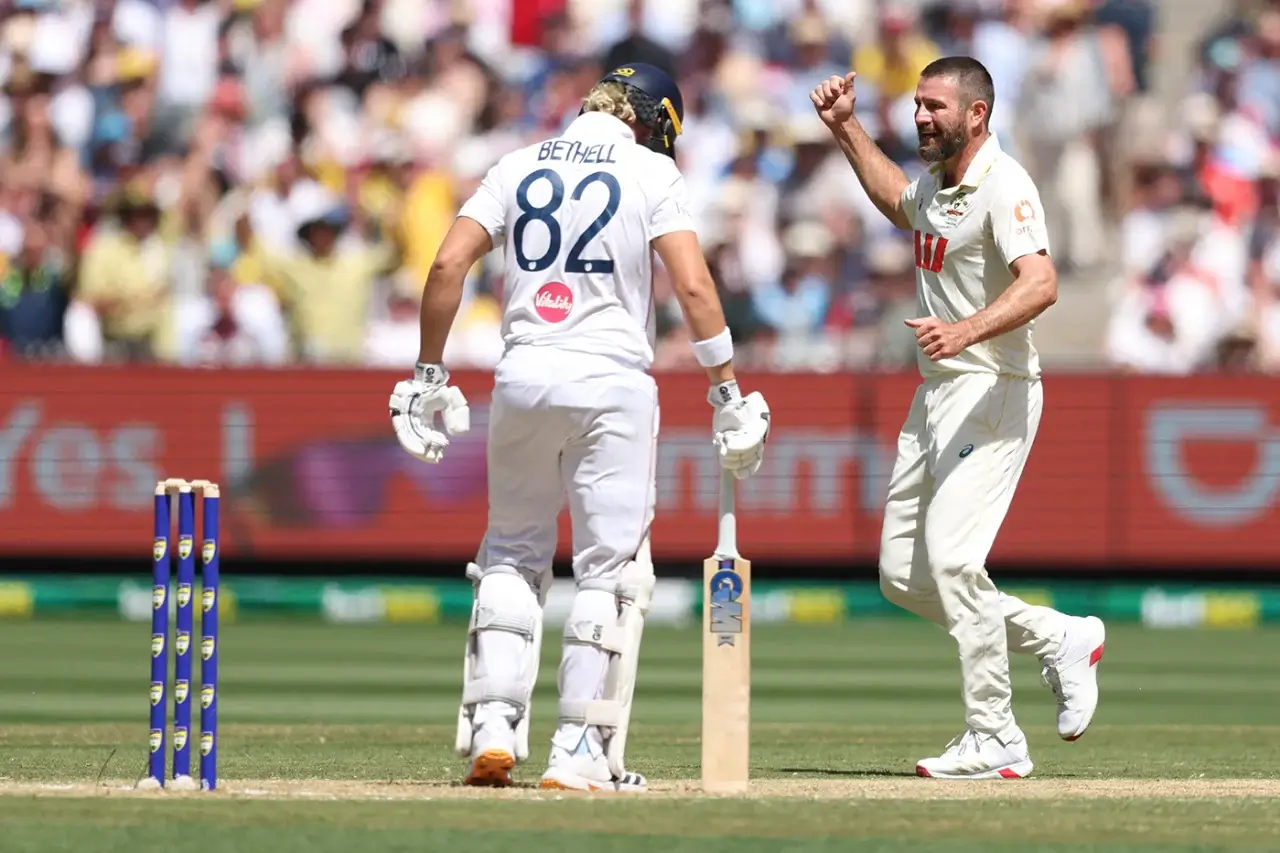
The MCG surface was always going to dominate conversation. Ten millimetres of grass raised alarms days earlier. Steve Smith hinted it would be lively. Bowlers smiled. Batters hesitated.
Conditions early were brutal. Cold air. Overcast skies. Seam movement throughout the day. The pitch started slow, then quickened alarmingly. Rubber-ball bounce early became sharper carry later. Survival required discipline.
Instead, batters tried to solve the pitch before facing it. Pre-judged shots replaced reactive defence. Drives followed deliveries they should have left. Feet stayed rooted when movement demanded adjustment.
This wasn’t an unplayable pitch. It was a demanding one. The difference mattered. History shows tough MCG decks still reward patience. On this day, patience never arrived. The surface didn’t collapse batting. Batting collapsed itself.
Australia’s First Innings: Errors Before Excellence
Australia’s collapse felt sudden but earned. Travis Head set the tone early, edging onto his stumps. The innings never recovered momentum.
Marnus Labuschagne looked uneasy throughout. A squared-up defence followed by an ambitious drive ended him. Steve Smith found rhythm, then abandoned it. An extravagant drive against movement proved fatal.
Alex Carey fell into a leg-side trap set by Ben Stokes. Usman Khawaja was late against angle and seam.
Most wickets were not magic balls. They were poor choices. The deliveries before the wickets did the damage. Pressure built. Shots chased relief. Relief never came.
England’s Reply: Predictable Fragility Returns
England’s response followed a familiar pattern. Confidence looked absent before the first ball. Chasing 152 felt harder than chasing 300.
Ben Duckett looked unsettled. A loose stroke ended his stay. Ben Stokes followed with another misjudged shot. Resistance never formed.
Only Jamie Smith and Will Jacks briefly pushed back. Both eventually fell to Boland’s relentless length. The rest succumbed to sustained pressure from Mitchell Starc and debutant Michael Neser.
England’s inability to trust defence defined the innings. Every wobble invited aggression. Every aggressive shot invited dismissal.
Scott Boland: The Symbol of the Day
Boland opening the batting wasn’t comedy. It was context. Australia trusted him more than specialist batters to survive six balls. That decision reflected everything.
Later, Boland returned with the ball. Same length. Same patience. Same results. No rush. No drama. Just execution.
His performance exposed the contrast. Bowlers trusted process. Batters chased shortcuts. In that gap, matches collapse.
What This Day Says About Modern Test Batting?
This was not an isolated event. Similar collapses appear worldwide. Batters arrive with fixed plans. Conditions demand flexibility. The clash is costly.
Modern players train for dominance. Tests still reward survival. That tension grows every year. On this Boxing Day, it snapped completely.
The crowd didn’t mind. The theatre was undeniable. But Test cricket should pause. When adaptation disappears, chaos follows.
Conclusion: Bizarre, Predictable, Unavoidable
This Boxing Day felt strange because it was familiar. Everyone sensed collapse was coming. Few expected it to arrive so violently.
Twenty wickets fell. Tradition bent. Logic blurred. Yet nothing felt accidental. The pitch asked questions. Batters answered poorly. Bowlers stayed honest.
From Boland opening the batting to Starc itching to bowl again, the day told a clear story. Test cricket hasn’t changed its demands. Batting attitudes have. That is why this Boxing Day made sense. Even when it looked insane.

