


By the fifth Test, fatigue stops being background noise and starts influencing decisions. Bodies are slower to recover, but minds are quicker to react. Late on day two at the SCG, that fatigue was visible in small details. Bowlers searched for control rather than aggression. Batters focused on survival over fluency. In that environment, irritation surfaces easily.
A boundary feels heavier. A word feels sharper. This is where experienced players either retreat inward or lean outward. Fatigue strips away the buffer that usually absorbs frustration. It turns routine overs into emotional checkpoints. What made this moment stand out was not the exchange itself, but the timing.
Late in the day, with light fading and energy low, restraint becomes harder to maintain. That is why Ashes confrontations so often appear in these windows. They are not planned. They emerge when physical exhaustion meets competitive pride, and neither side wants to blink first.
Table of Contents
ToggleWhy Late-Day Moments Carry Extra Psychological Weight?
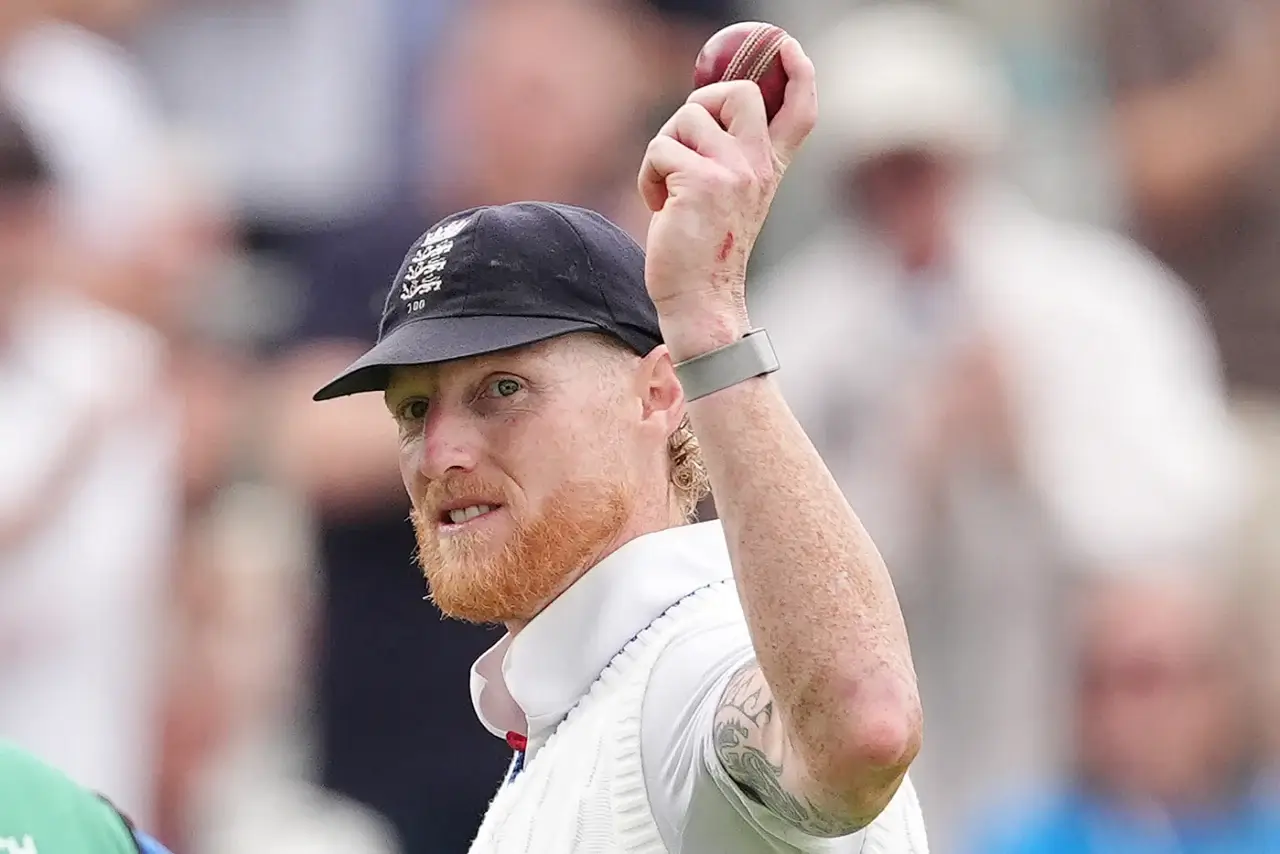
Cricket played late in the day carries a different pressure. The body wants rest, but the game demands clarity. Batters aim to reach stumps intact. Bowlers hunt one last breakthrough. That imbalance creates tension. Late-day moments linger overnight. A dismissal, an argument, or even a near miss travels back to the dressing room and stays there in big matches.
That is why teams guard these periods carefully. One lapse can undo a full session’s work. In this case, the exchange mattered because it happened when Australia was trying to settle. England were looking for a spark. Late-day psychology magnifies consequences.
A wicket feels twice as important. A confrontation feels harder to forget. Players replay it mentally during recovery and preparation. By morning, the moment has already shaped the mindset. Ashes history is filled with such episodes, where what happens just before stumps quietly dictates the next day’s rhythm.
How Ben Stokes Uses Confrontation as a Tactical Tool?
Stokes has never separated emotion from competition. He understands its risks, but also its power. His confrontations are rarely accidental. They are calculated responses to moments where control is slipping. Rather than retreating, he often steps forward. That does not always mean shouting or prolonged exchanges. Sometimes it is posture, eye contact, or proximity.
In this instance, the brief words and the unusual gesture that followed served a purpose. They reset the contest on his terms. Stokes thrives when the game sharpens. He uses confrontation to refocus himself as much as his opponent. That approach carries danger. It can backfire if execution fails.
However, when accompanied by precision, it appears authoritative. The immediate wicket that followed reinforced that method. It was not about intimidation. It was about reclaiming presence. Stokes has built a career on moments where emotion fuels clarity rather than chaos, and this was another example.
Labuschagne’s Competitive Edge and Its Unintended Cost
Marnus Labuschagne plays cricket at full volume. His intensity is constant, whether batting, fielding, or bowling. That edge has driven his rise. It keeps him locked into contests longer than most. But intensity has a flip side. Late in Tests, when fatigue sets in, it can draw opponents toward him. Labuschagne does not disengage easily. He remains present in every moment, every exchange. That makes him valuable to his team, but it also makes him visible. In tight phases, visibility attracts attention.
The exchange did not immediately rattle him. His dismissal stemmed from a technical decision rather than an emotional loss. Yet the sequence showed how competitive engagement can carry unintended consequences. When contests become personal, margins shrink. Labuschagne’s challenge has always been balancing involvement with insulation. On this occasion, the balance tipped slightly against him.
The Fine Line Between Defusing Tension and Provoking It
Cricket operates on unspoken boundaries. Words are common. Physical contact is rare. That is why gestures meant to calm situations are often misunderstood. When a player crosses physical space during a heated moment, interpretation becomes subjective. One side may see reassurance. The other may sense dominance. That ambiguity makes such gestures risky.
In elite sport, perception shapes reaction more than intent. Officials understand this, which is why intervention is swift during flashpoints. In this case, the moment passed without escalation, but it left residue. Neither player disengaged mentally. The line between defusing tension and sharpening it is thin, especially under fatigue.
The safest approach is distance. Any deviation invites scrutiny. That is why this incident drew attention. Not because it exploded, but because it hovered in uncertainty. And uncertainty, in competitive environments, rarely fades quietly.
Why Certain Wickets Change More Than the Score?
Not all wickets carry equal weight. Some alter scorecards. Others alter belief. This dismissal belonged to the latter category. Australia were aiming to close the day with stability. Labuschagne had absorbed pressure and slowed England’s momentum. Removing him disrupted that plan. The immediate effect was visible. Fielders lifted. Bowlers tightened lines. Australia retreated into caution.
These shifts do not show in statistics, but they define sessions. Such wickets also echo emotionally. They validate effort. They reward pressure. England felt control returning. Australia felt the need to protect rather than progress. In Ashes cricket, momentum is rarely linear.
It swings on moments that compress emotion and execution into a single delivery. That is why this wicket mattered. It did not just end an innings. It reset the psychological balance heading into the final phase of the day.
How Ashes History Is Built on Small, Charged Exchanges?
The Ashes is not shaped only by centuries and spells. It is shaped by moments that sit between deliveries. A look held too long. A word said too late. A silence that follows a dismissal. These fragments accumulate across five Tests. They form memory. Fans recall them years later, often more clearly than scorecards. This exchange belongs to that tradition. It was brief, contained, and consequential. It did not need controversy to endure. Ashes history favours moments where pressure reveals character.
Where response matters more than reaction. That is why such scenes endure. They capture the rivalry’s essence. Competitive without chaos. Intense without excess. Years from now, numbers will fade. The image of tension resolving into outcome will not. That is how the Ashes continues to write itself, quietly, through moments like this.