

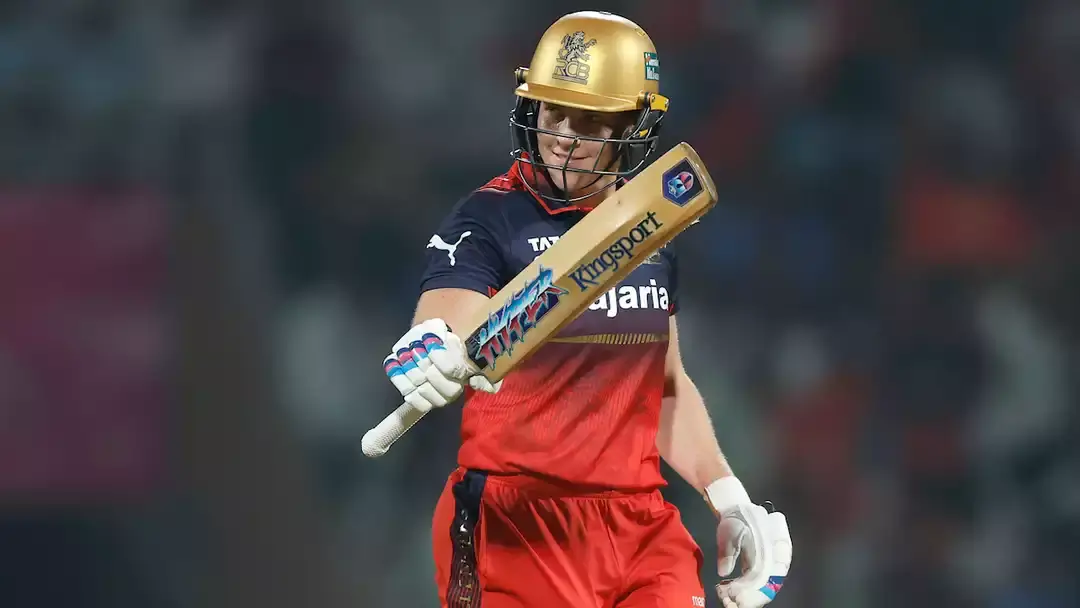
T20 cricket has a cruel way of exposing hesitation. UP Warriorz entered this contest believing familiarity would protect them. Royal Challengers Bangalore arrived knowing preparation would decide everything. The difference became clear within the first few overs.
Two former Warriorz players stood at the centre of the collapse. Lauren Bell strangled momentum with discipline and clarity. Grace Harris shattered resistance with perfectly timed aggression. Together, they turned recognition into ruthlessness. RCB didn’t chase emotional narratives. They chased control. UP Warriorz never found a way back.
Why This Match Was Defined by Preparation, Not Pressure?

From the opening moments, RCB looked settled like Mumbai Indians do in IPL. Their body language suggested clarity rather than urgency. UP Warriorz, meanwhile, appeared cautious, almost defensive in approach. That subtle difference shaped the game’s tempo.
RCB knew exactly how they wanted to use the PowerPlay. Their goal wasn’t early wickets but early restriction. UPW wanted to survive rather than dominate. In modern T20 cricket, that mindset often proves costly.
As the overs passed without release shots, pressure accumulated silently. The match began slipping away before it felt dangerous.
Lauren Bell’s PowerPlay Control Removed Freedom Early
Bell’s opening spell was built on repetition. She bowled full enough to challenge drives and straight enough to deny easy rotation. Every over followed the same disciplined template, forcing batters into indecision.
UPW’s top order struggled to commit. Boundary options dried up quickly. Singles felt hard-earned rather than natural. Bell’s accuracy meant there was no obvious ball to target.
Even without multiple wickets, her impact was overwhelming. By the time the field spread, the innings was already constrained. Control had replaced contest.
How Bell’s Evolution Caught UP Warriorz Off Guard?
This was not the same Bell UP Warriorz once let go. Over the last two seasons, her skill set expanded quietly. The addition of a reliable outswinger transformed her threat.
UPW planned for movement into the batter. Instead, they were forced to second-guess every release shot. That hesitation stalled momentum repeatedly.
RCB benefited from believing in development. UPW paid the price for judging the past rather than the present. In franchise cricket, growth ignored often returns as punishment.
The Hidden Damage of a Low-Scoring PowerPlay
UP Warriorz survived the PowerPlay without collapse. On paper, the innings looked intact. In reality, it was already compromised. A low-risk start created a high-pressure middle phase.
Batters entering later had no margin. They tried to accelerate instantly. That urgency made them predictable. RCB’s bowlers thrived on that impatience.
Bell’s early overs didn’t just restrict runs. They dictated decision-making across the innings. That influence extended far beyond her spell.
Smriti Mandhana’s Instinctive Captaincy Moment
Great captaincy often looks simple. Smriti Mandhana sensed stagnation at the perfect time. Instead of persisting with pace, she turned to Grace Harris.
It wasn’t a pre-set move. It was a read of the moment. Harris offered something unfamiliar. UPW were forced out of comfort immediately.
The shift worked instantly. Two quick wickets followed. Balance tilted sharply. From that point, UP Warriorz were chasing survival rather than strategy.
Grace Harris Exploited the Middle-Order Fragility
Harris didn’t rely on big turn or pace variation. She relied on pressure. UPW’s middle order felt the need to break free quickly. That desire led directly to mistakes.
Harleen Deol tried to force the issue and paid the price. Chloe Tryon followed in similar fashion. The collapse felt sudden, but it was built on earlier frustration. RCB used Harris as a disruptor. UPW couldn’t slow the slide. Momentum vanished within minutes.
Harris the Batter: Knowledge Turned Into Dominance
When the chase began, Harris looked completely at ease. She knew these bowlers. She recognised defensive plans instantly. That familiarity allowed her to attack without hesitation.
Her partnership with Mandhana was decisive. Boundaries came early, removing any scoreboard pressure. UPW struggled to find a plan that wasn’t already anticipated.
This was not reckless hitting. It was informed aggression. RCB controlled the chase with calm authority, ending the contest long before tension could develop.
UPW didn’t disguise their intentions enough. RCB read adjustments effortlessly. Bell and Harris exploited repetition mercilessly.
Familiarity only helps when paired with evolution. UPW stayed static. RCB stayed adaptive. The outcome reflected that imbalance clearly.
They don’t rely on moments of brilliance. They rely on structure and clarity. Every player understands their role. Direct qualification for the final was no accident. It was preparation rewarded. RCB arrive at the title clash composed and confident. UP Warriorz leave with lessons to absorb.
Conclusion: Execution Always Beats Emotion
This match wasn’t about revenge. It was about readiness. Lauren Bell denied freedom early. Grace Harris denied recovery later.
UP Warriorz trusted memory. RCB trusted planning. In T20 cricket, that difference is decisive.
The result felt inevitable because it was engineered that way. Familiar faces delivered unfamiliar damage. And RCB marched on with authority.

