

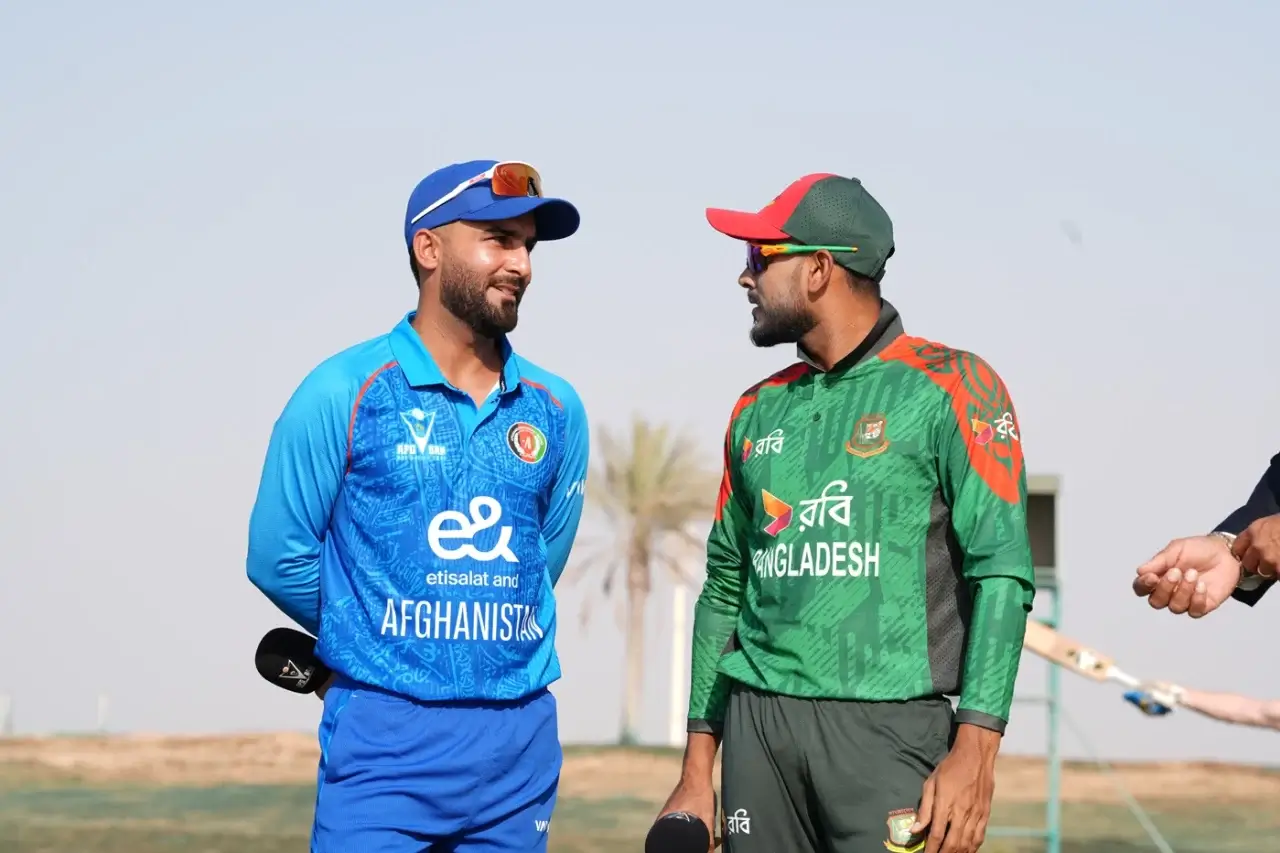
The International Cricket Council has set January 21 as the final deadline for Bangladesh to confirm its participation in the 2026 T20 World Cup. This decision follows a second high-level meeting between the Bangladesh Cricket Board and the International Cricket Council held in Dhaka. The ICC communicated clearly that further delays would disrupt tournament planning and broadcast logistics.
With the tournament scheduled to begin on February 7, time has become a critical factor. Team travel, security coordination, accommodation, and commercial arrangements all depend on confirmed participation. The ICC has stressed that uncertainty this close to the event creates operational risks not just for one team, but for the entire competition.
For Bangladesh, the deadline represents a moment of consequence. A decision to travel would end weeks of speculation and restore focus to cricket. A refusal, however, could lead to unprecedented outcomes, including replacement by another qualified team. The ICC has made it clear that while it respects member concerns, it will not compromise the tournament structure at such a late stage.
BCB Maintains Firm Stance on Playing Outside India
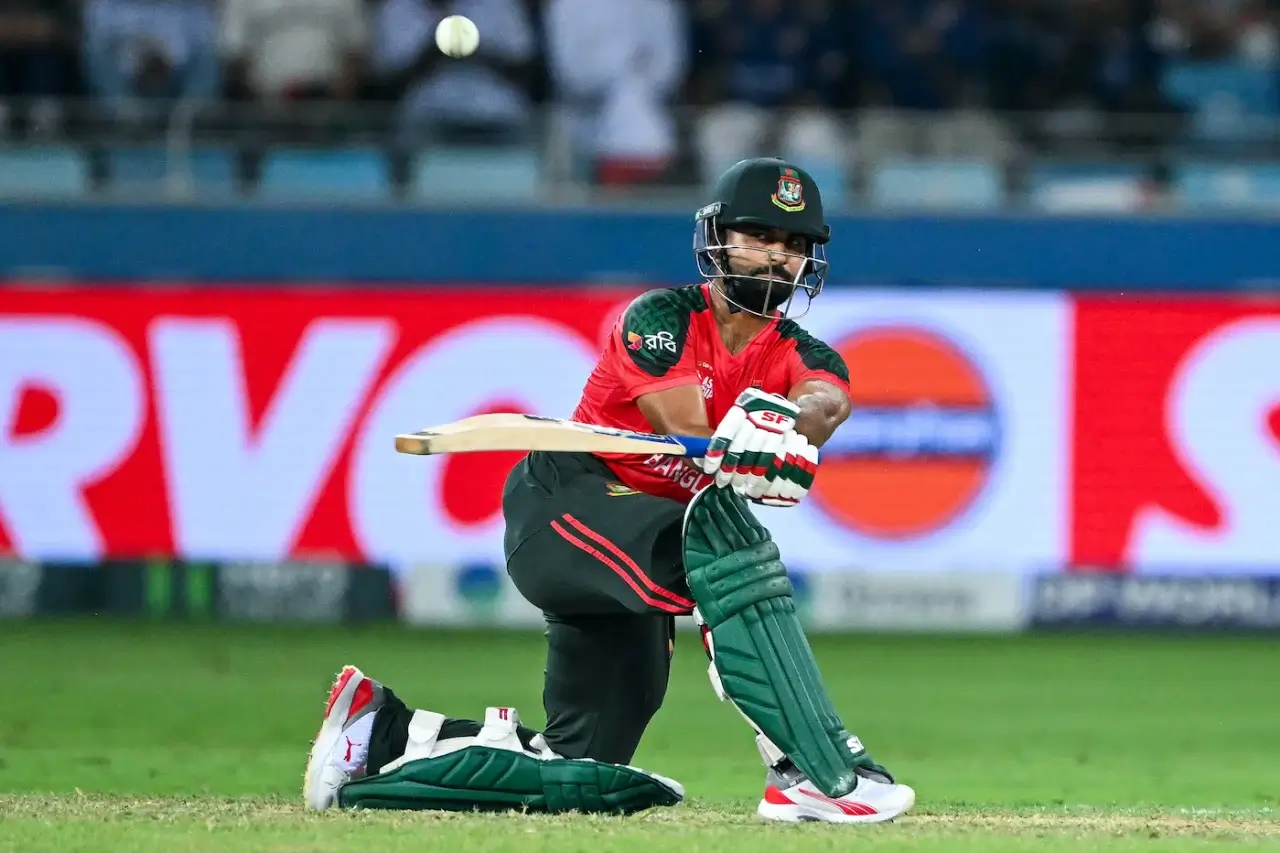
The Bangladesh Cricket Board has consistently maintained that it wants to participate in the T20 World Cup, but not in India. During discussions with the ICC, the BCB reiterated its preference to play matches at a neutral venue, with Sri Lanka emerging as the most practical alternative given its co-host status.
The BCB has framed its position around security concerns for players and staff traveling to India. While these concerns have not been backed by specific threat intelligence, the board has chosen to adopt a cautious approach. Internally, the BCB believes that ensuring player safety outweighs logistical inconvenience.
However, this stance has created friction. The ICC has repeatedly stated that venue changes for a single team would undermine tournament fairness and scheduling integrity. Moving Bangladesh would require reshuffling groups, venues, broadcasters, and ticketing plans. The BCB now faces the challenge of balancing national sentiment, player welfare, and global cricket obligations under increasing time pressure.
ICC Refuses Schedule Changes and Group Swaps
One of the key points of disagreement has been Bangladesh’s request to change groups or venues. Bangladesh are currently placed in Group C, with all group matches scheduled in India. The BCB proposed a swap with Ireland, who are set to play their matches in Sri Lanka.
The ICC has firmly rejected this request. From its perspective, altering group compositions so close to the tournament would set a dangerous precedent. Other teams could demand similar accommodations in future events, weakening the authority of the governing body.
Tournament planners have emphasized that groups were finalized months in advance based on rankings, broadcast value, and venue availability. Changing them now would affect not just teams but sponsors, broadcasters, and fans who have already committed financially. The ICC’s refusal sends a clear message: participation requires adherence to agreed schedules, regardless of political or administrative disputes.
Security Assessment Contradicts Bangladesh’s Concerns
A major element of the standoff revolves around security assessments. An independent security agency hired by the ICC recently circulated an advisory to all 20 participating teams. The report categorized the overall threat level in India as medium to high, a classification not uncommon for large-scale international events.
Crucially, the advisory stated there was no direct or specific threat targeting Bangladesh or any other team. The ICC has used this assessment to assure the BCB that adequate measures are in place. Host authorities have also highlighted India’s experience in managing large global tournaments under tight security protocols.
Despite these assurances, the BCB remains unconvinced. Critics argue that the board’s stance appears more political than security-driven. Supporters, however, claim that proactive caution is preferable to reactive regret. This divergence in interpretation has deepened the deadlock, with both sides standing firm on their respective assessments.
Political Fallout and the IPL Broadcasting Dispute
The current impasse did not emerge in isolation. Tensions escalated after Kolkata Knight Riders removed Mustafizur Rahman from their IPL 2026 squad, reportedly at the BCCI’s instructions. No official explanation was offered, which fueled speculation and anger in Bangladesh.
The situation intensified when the Bangladesh government responded by banning the broadcast of the Indian Premier League in the country. Shortly after, the BCB formally informed the ICC that it would not send its team to India for the World Cup. Since then, positions have hardened on both sides.
This sequence of events has blurred the line between cricket administration and diplomatic friction. While the ICC insists the World Cup issue is purely logistical and security-based, the broader context suggests unresolved grievances continue to influence decision-making. Untangling sport from politics has proven increasingly difficult.
Risk of Replacement Looms Over Bangladesh
The ICC has quietly prepared for a worst-case scenario. If the BCB refuses to allow Bangladesh to travel to India by the deadline, the ICC is expected to name a replacement team. Based on current rankings and qualification criteria, Scotland would be the next in line.
Such a replacement would be historic and controversial. Removing a full member nation from a World Cup would spark legal, financial, and reputational debates. For Bangladesh, it would represent a major setback after years of investment in white-ball cricket.
Players, meanwhile, remain caught in uncertainty. Preparation cycles, mental readiness, and team morale all suffer when participation itself is in doubt. The prospect of missing a global tournament could have long-term consequences for careers and the country’s cricketing stature.
Final Days That Could Define Bangladesh Cricket’s Global Standing
The next few days may prove decisive for Bangladesh cricket. A decision to participate would restore stability and allow players to focus on performance. It would also signal willingness to separate cricket from broader disputes.
Refusal, however, risks isolation. The ICC has shown limited patience, emphasizing consistency and contractual obligations. Bangladesh now face a stark choice: adapt to the existing framework or face the unprecedented outcome of exclusion.
This episode will be remembered beyond the 2026 T20 World Cup. It will shape how Bangladesh are perceived within global cricket governance. Whether the outcome strengthens dialogue or deepens divides depends entirely on what happens before January 21.