India has clarified their leadership plans ahead of the 2026 Under-19 World Cup, opting for continuity and structure rather than short-term fixes. Ayush Mhatre has been named captain for the global tournament, while Vaibhav Suryavanshi will lead the team during the preparatory youth-ODI tour of South Africa.
The World Cup begins in January across Zimbabwe and Namibia, with India placed in a competitive Group B. The decision to split captaincy duties reflects the selectors’ consideration of workload management, injury recovery, and long-term planning.
India’s Under-19 structure has historically prioritised leadership grooming. This announcement continues that tradition, giving both captains clear roles during a crucial phase of development cricket.
Why Ayush Mhatre Was Chosen as World Cup Captain?
Mhatre’s appointment is rooted in recent success rather than reputation alone. He captained India to the final of the Under-19 Asia Cup in Dubai earlier this month, showcasing calm decision-making and strong on-field control.
Selectors value his ability to manage pressure situations, rotate bowlers effectively, and maintain clarity during tight phases. Those traits are critical in World Cup cricket, where margins are thin and knockout pressure is relentless.
Although currently sidelined with a wrist injury, Mhatre remains central to India’s plans. He will undergo rehabilitation at the BCCI Centre of Excellence in Bengaluru before rejoining the squad for the World Cup. The management clearly sees him as a long-term leader rather than a short-term solution.
Vaibhav Suryavanshi to Lead South Africa Tour
With Mhatre unavailable for the bilateral series, Suryavanshi has been entrusted with captaincy duties for the South Africa tour. The three youth ODIs will be played in Benoni on January 3, 5, and 7.
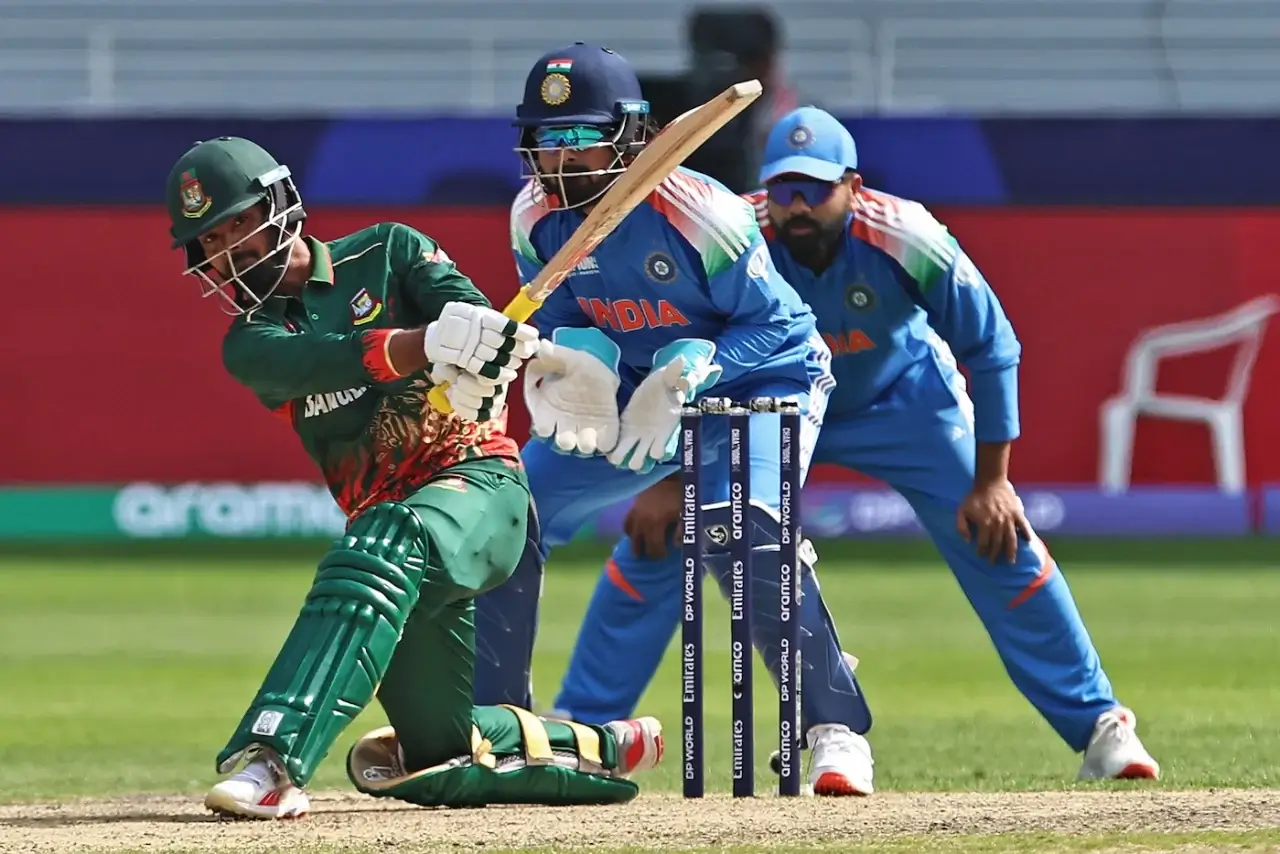
Suryavanshi’s leadership elevation follows consistent performances. He scored 261 runs in five matches at the Asia Cup and was India’s second-highest run-scorer. His ability to combine aggression with composure was particularly notable when performing against teams like Bangladesh.
He is also currently playing senior domestic cricket, having scored 190 for Bihar in the Vijay Hazare Trophy. That exposure strengthens his case as a future senior prospect. The tour offers Suryavanshi valuable captaincy experience ahead of the World Cup.
Injury Management and BCCI’s Long-Term Approach
Both Mhatre and vice-captain Vihaan Malhotra are recovering from wrist injuries. Rather than rushing them back, the BCCI has opted for structured rehabilitation at its Centre of Excellence.
This approach underlines India’s emphasis on longevity over short-term results at the youth level. The selectors are clearly unwilling to compromise player fitness before a major global event.
Once medically cleared, both players are expected to rejoin the World Cup squad with minimal disruption. Their absence from the South Africa tour is precautionary, not performance-related. Such planning reflects a mature Under-19 pathway focused on sustainable progression.
India’s Group and World Cup Format Explained
India has been placed in Group B alongside New Zealand, Bangladesh, and the USA. Their campaign begins on January 15 against the USA in Bulawayo, followed by Bangladesh on January 17 and New Zealand on January 24.
The tournament features 16 teams divided into four groups. The top three teams from each group advance to the Super Six stage, forming two groups of six.
From there, the top two teams in each Super Six group qualify for the semi-finals. The final will be played on February 6 in Harare. The format rewards consistency, not just explosive starts. India’s squad depth will be tested early.
Key Players to Watch in India’s Squad
Apart from the two captains, India’s squad features several standout performers. Abhigyan Kundu, the Asia Cup’s highest run-scorer, will be crucial in the middle order.
All-round options like Aaron George and RS Ambrish add balance, while multiple spin and pace choices give tactical flexibility across African conditions.
India has selected versatility rather than specialisation. That strategy aligns well with tournament cricket, where adaptability often decides outcomes. Several players in this squad are already knocking on the doors of domestic clubs.
What does this mean for India’s Under-19 Legacy?
India enters every Under-19 World Cup as favourites, but history shows titles are never guaranteed. Leadership clarity, fitness management, and group balance often matter more than raw talent.
By appointing Mhatre early and giving Suryavanshi parallel responsibility, India is investing in leadership depth. This dual-captaincy phase allows for learning without destabilizing the hierarchy.
The focus is clearly on preparation, not experimentation. India wants a team that peaks in February, not January. If execution matches planning, this squad has the tools to go deep again.