

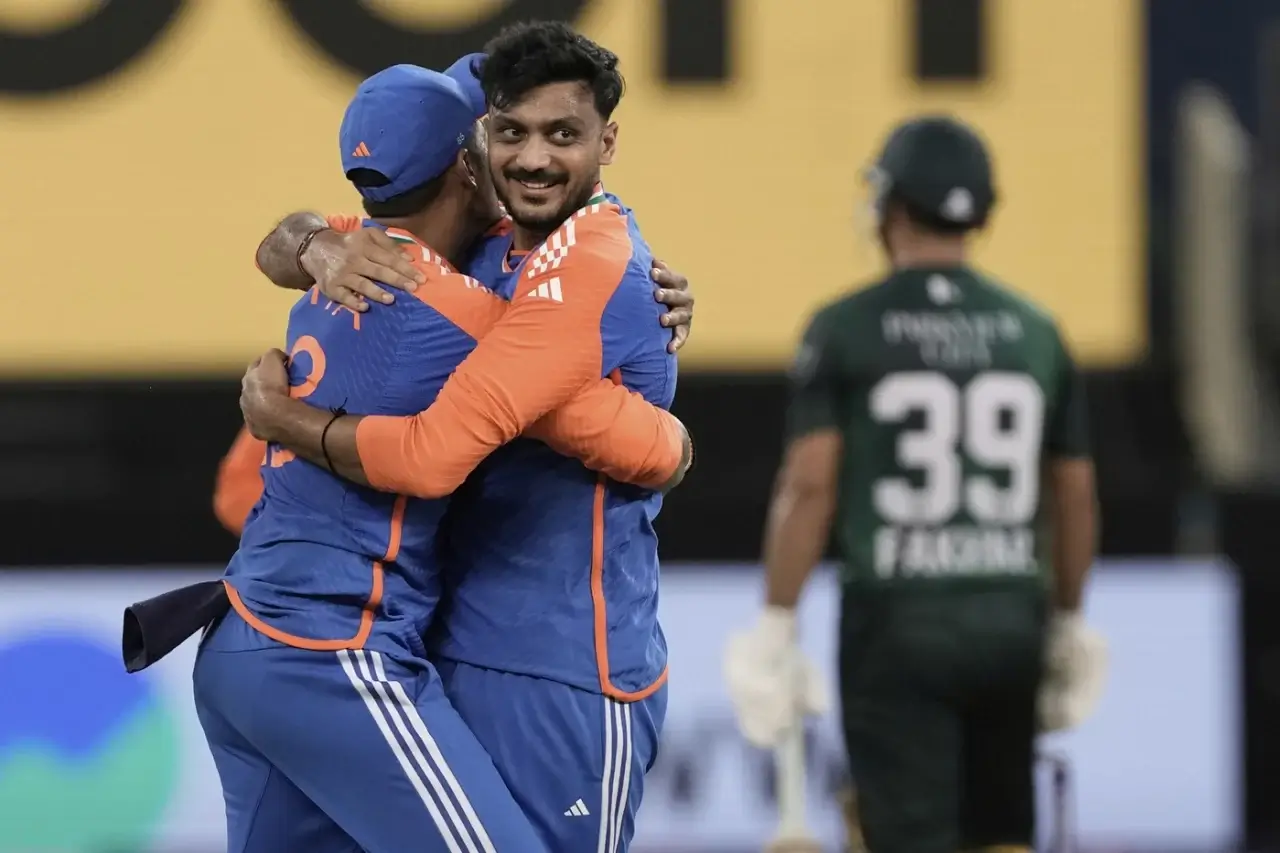
India’s T20 World Cup squad announcement carried shock value, not because of who was picked, but because of who was not. Shubman Gill, India’s vice-captain in the format, was left out of the final 15. In his place, Ishan Kishan and Rinku Singh earned recalls, while Jitesh Sharma missed out altogether.
The decision marked a late but decisive shift in strategy. With the T20 World Cup less than two months away, India prioritised combinations over continuity and flexibility over reputation. It was a call rooted in structure rather than sentiment.
Why Shubman Gill Was Left Out?
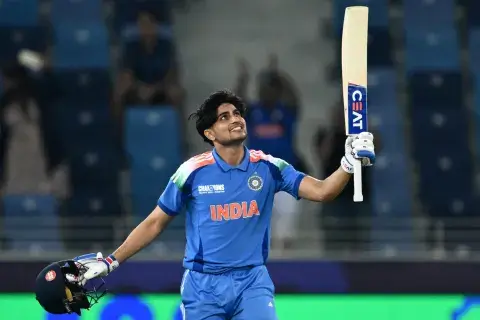 Gill’s omission was framed as a tactical decision, not a judgment on ability. Over 15 innings at the top, he scored 291 runs at a strike rate of 137.26 without a single half-century. Those numbers were not alarming, but they lacked impact.
More importantly, Gill’s presence limited India’s ability to adjust combinations mid-game. The team management wanted a wicketkeeper opening the innings to unlock greater balance later in the order. Gill, as a specialist top-order batter, became the odd piece in that puzzle.
India’s captain Suryakumar Yadav was clear that form was not the primary factor. The decision, he said, was driven by the need to create two or three flexible winning combinations, especially in high-pressure World Cup scenarios.
Ishan Kishan’s Comeback Was Built on Momentum
Kishan’s return was one of the easiest calls. His domestic form was overwhelming. He topped the Syed Mushtaq Ali Trophy with 517 runs, striking at nearly 200, and consistently dominated powerplays.
Beyond runs, Kishan offered something India was missing: role compression. As an opener and wicketkeeper, he allowed India to keep an extra batter or all-rounder deeper in the lineup. That versatility made him a strategic asset rather than just a replacement. In a format where margins are slim, Kishan’s profile fit the moment perfectly.
Why Rinku Singh Forced His Way Back?
Rinku’s absence from recent T20I squads had more to do with balance than performance. He has not done much wrong whenever given opportunities, and his finishing credentials are now well established.
India’s late pivot back towards a power-packed middle order reopened the door for him. With Kishan covering the wicketkeeping slot at the top, space emerged for a specialist finisher. Rinku filled that role naturally. This decision reflects India’s renewed emphasis on closing games rather than just setting them up.
Jitesh Sharma: The Unfortunate Casualty
Jitesh Sharma has arguably been India’s most consistent wicketkeeper in recent series. Yet he missed out due to pure arithmetic. India could not afford three wicketkeepers in a 15-man squad. Once Kishan was picked as an opener-keeper and Sanju Samson retained as backup, Jitesh’s pathway disappeared.
It was not a performance-based omission, but a structural one. Such decisions are the harshest, and also the most common, in World Cup selections.
With Gill gone, India turned to stability. Axar Patel was named vice-captain, a reflection of his growing influence across formats. Axar offers calm decision-making, tactical clarity, and guaranteed balance with bat and ball. His promotion signals trust and continuity rather than experimentation at a critical time.
Understanding India’s Bowling Core
India’s bowling group followed expected lines. Jasprit Bumrah, Arshdeep Singh, and Harshit Rana form the pace attack, with two likely starting.
Spin remains a strength. Varun Chakravarthy and Kuldeep Yadav are frontline options, supported by Axar and Washington Sundar. This gives India control across conditions.
The most delicate equation was between Rinku and Washington. India’s current coaching setup, under Gautam Gambhir, values all-rounders highly.
Washington’s off-spin and batting depth make him a safety option. Rinku’s finishing offers explosive upside. This time, India chose impact over insurance, likely influenced by Hardik Pandya’s fitness restoring balance elsewhere.
What This Squad Says About India’s World Cup Thinking?
India has chosen flexibility over fixed roles. They want players who can adapt mid-match without substitutions. Kishan’s inclusion, Axar’s elevation, and Rinku’s return all point to that philosophy.
Gill’s omission does not close doors long-term, but it shows how ruthless T20 World Cup selection can be. Reputation yields to utility. Potential yields to immediacy.
India’s T20 World Cup squad reflects a late but calculated pivot. Shubman Gill paid the price for a structural rethink, while Ishan Kishan and Rinku Singh benefited from timing, form, and versatility.
The decisions may appear harsh, but they are logically consistent. India is not chasing comfort. They are chasing combinations that reduce regret under pressure. Whether that gamble succeeds will be answered on the world’s biggest T20 stage.