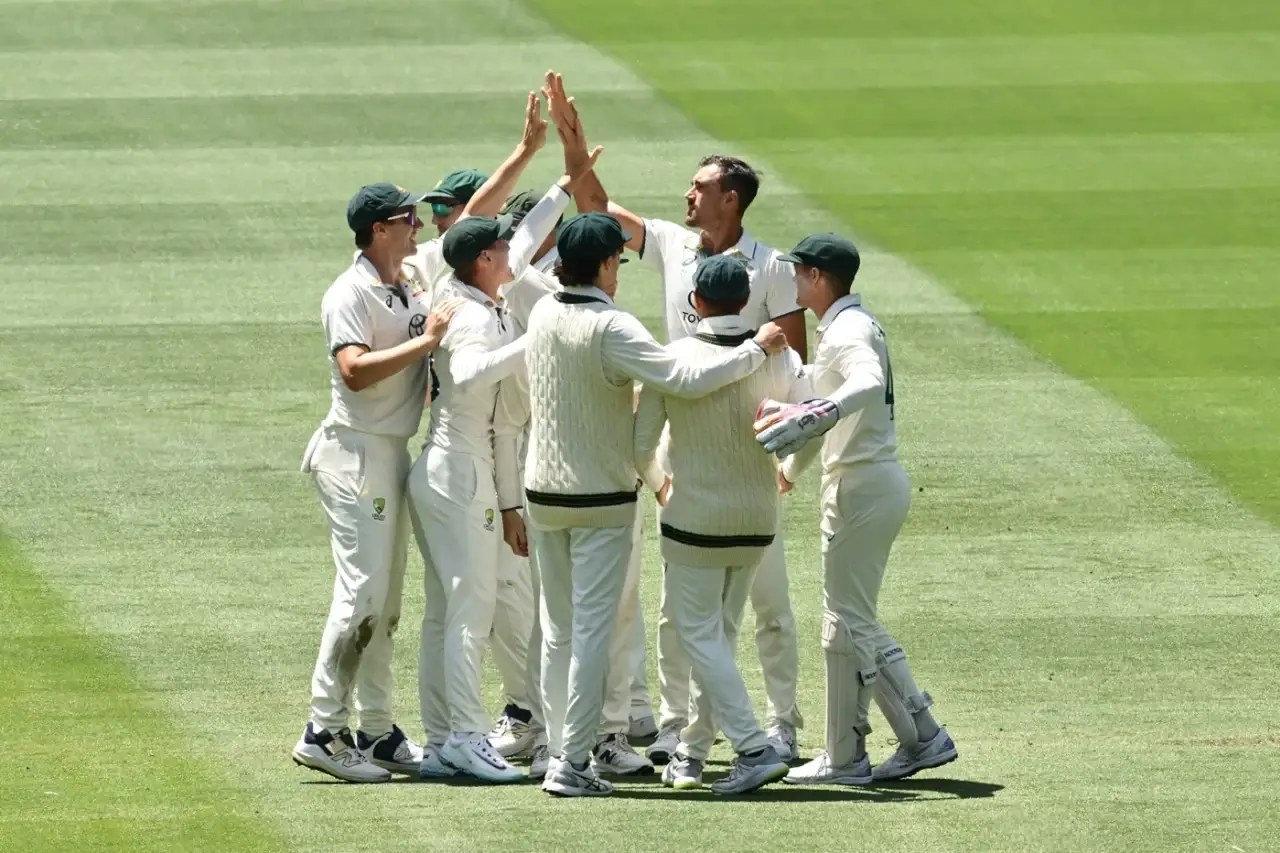
Australia has already secured the Ashes by being better for longer. Across the series, they controlled tempo, absorbed pressure, and repeatedly outlasted England when contests tightened. On paper, the job is done. The urn is safe.
Yet the Boxing Day Test exposed something unsettling beneath that dominance. On the most challenging batting surface Australia has faced at home, their batting failed to stretch the game. This was not only about a difficult pitch. It was about a batting unit that appeared unsure of roles, positions, and method.
Losses happen. Even at home. Especially when conditions turn matches into two-day lotteries. But when a defeat reinforces existing doubts, it carries greater weight.
Australia now sits at 17 wins, four losses, and one draw from their last 22 Tests since the 2023 Ashes. That is elite by any standard. Still, a growing section of the fan base senses drift rather than direction. The unease is not emotional. It is structural. And with Sydney approaching, scrutiny from the selection feels inevitable.
MCG Wasn’t the Crime — Brisbane and Adelaide Were
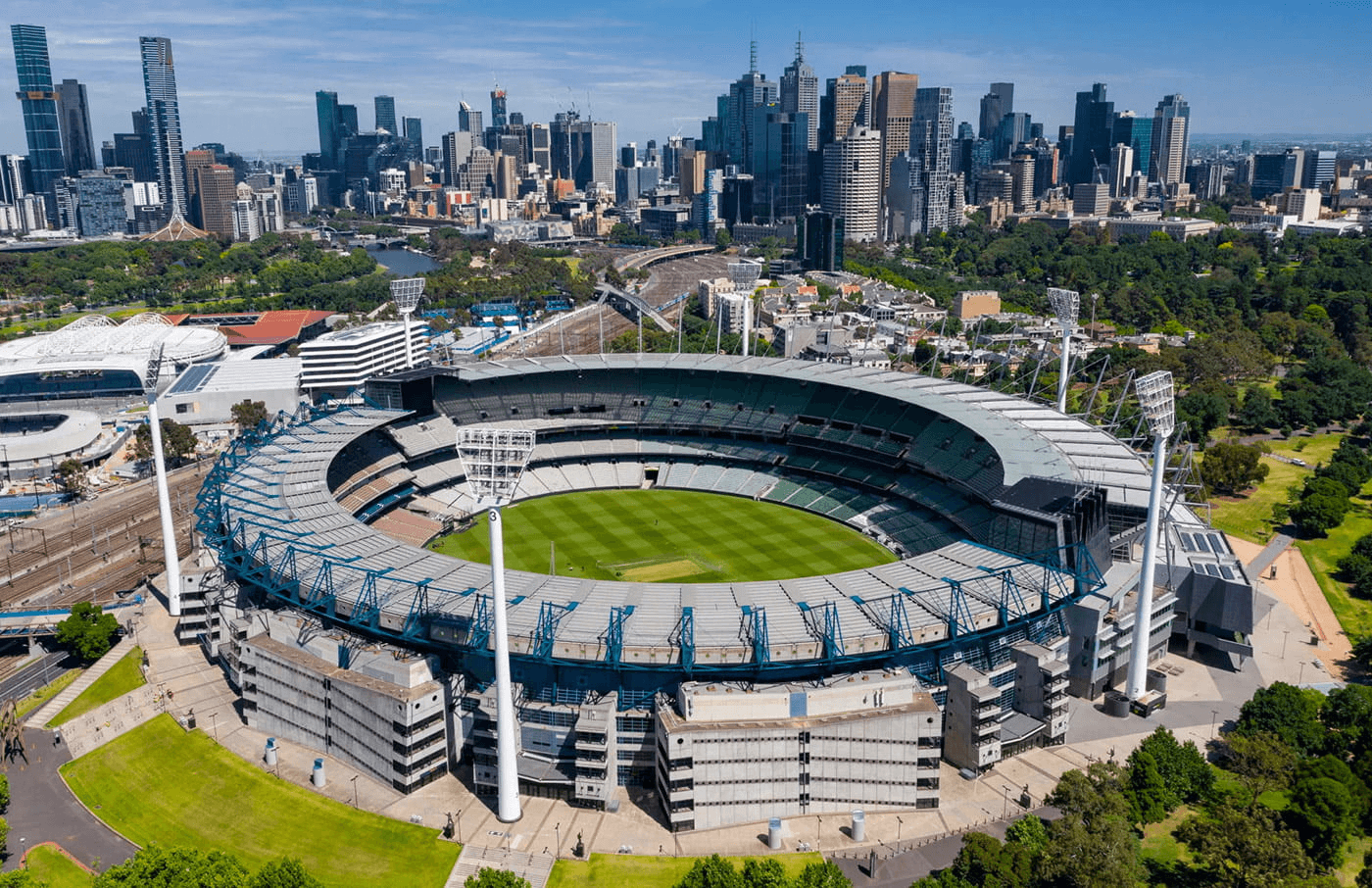
The MCG Test is an easy target for criticism. The pitch was extreme. No batter reached fifty. Judgement must be careful. But Australia’s batting concerns were not born in Melbourne. They were exposed earlier, under far kinder conditions. Brisbane and Adelaide offered rare gifts. Flat surfaces. Predictable bounce. Manageable movement. Those are the Tests where strong batting units impose themselves and bury opponents.
Australia failed to do that. Apart from Travis Head and Alex Carey, no one truly cashed in. Starts were made. Control was achieved. Then it was squandered.
Getting out cheaply on seaming pitches is forgivable. Squandering dominance on good batting tracks is not. That context matters. Melbourne did not create the problem. It merely magnified one that already existed.
A Batting Order That No One Planned For
Nowhere in Australia’s long-term planning did this batting order exist. Head opening. Usman Khawaja at No.5. Cameron Green drifting to No.7. That alignment was never part of the blueprint.
Had this scenario been presented in October, selectors would have expected Australia to be behind in the series. Instead, they were 3–0 up. That contradiction explains the tension. Results are strong. Structure is not.
The batting unit feels reactive rather than settled. Adjustments are being made Test to Test, sometimes session to session. Roles shift based on circumstance rather than design. Winning hides disorder. Losing exposes it. Sydney will not forgive confusion.
Labuschagne: From Foundation to Fault Line
At 31, Marnus Labuschagne was meant to anchor Australia’s next era. Instead, he arrives in Sydney under intense scrutiny to favour the dominating Australian side.
His 2025 numbers are confronting. As a No.3, he averaged under 24 across 11 innings. Including brief stints elsewhere, the figure drops further. Only two half-centuries arrived, both on forgiving surfaces.
What makes it harder to digest is timing. He was dropped for the Caribbean’s toughest pitches. That omission sparked the response selectors wanted. He dominated domestic cricket. He returned with two polished fifties in Perth and Brisbane, striking positively again.
Now, those innings feel like missed exits. Since Brisbane, he has looked caught between intent and insecurity. Loose strokes. Repeated edges. A Test century drought stretching two years. Australia needs certainty at No.3. Right now, they have questions.
Cameron Green and the Cost of Constant Resetting
Green’s situation is more complex, but equally troubling. At 26, he should be consolidating his Test career. Instead, he feels permanently reset. Injuries. Surgery. Long absences. Positional shuffling.
In the past 18 months, he has batted at every position from No. 3 to No. 8. Batting at five different positions in seven innings is not development. It is instability. His Test average now hovers near 32. His home average has dipped below 28. For a player once projected as a generational pillar, those numbers invite scrutiny.
Green often looks comfortable initially. He gets started. He rarely converts them. Even in Melbourne, he appeared one of the few batters capable of surviving, before self-inflicted dismissals ended both innings. The debate around his place versus Beau Webster exists for a reason. Potential cannot forever outrun production.
Transition Is Coming — Whether Australia Is Ready Or Not
Australia is approaching a natural transition, whether they acknowledge it or not. Khawaja is 39. Steven Smith turns 37 before an intense 20-Test stretch begins next year. An eight-month Test hiatus looms before that run.
Head and Carey are in their prime. They are present contributors. But the layer beneath them remains unclear. Labuschagne and Green were meant to carry the baton forward. Currently, that vision appears distant rather than inevitable.
If Khawaja is still required deep into next year, it will say uncomfortable things about succession planning. Stability cannot be postponed indefinitely. Sydney is not just about one Test. It is about the future direction.
Why Selection Pressure Is Inevitable in Sydney?
Calls for a selection change often evoke strong emotions. This one is not. The pressure building around the Sydney selection is about clarity, not punishment. Roles must be defined. Trust must be earned. Drift must end.
Australia’s batting is not broken. It remains talented. It remains capable. But it is misaligned. Too many moving parts. Too little certainty.
Melbourne did not simply expose weakness. It highlighted stagnation. Sydney now becomes a decision point. Not for headlines. Not for appeasement. But for structure. Because winning without a plan works only until it doesn’t.