

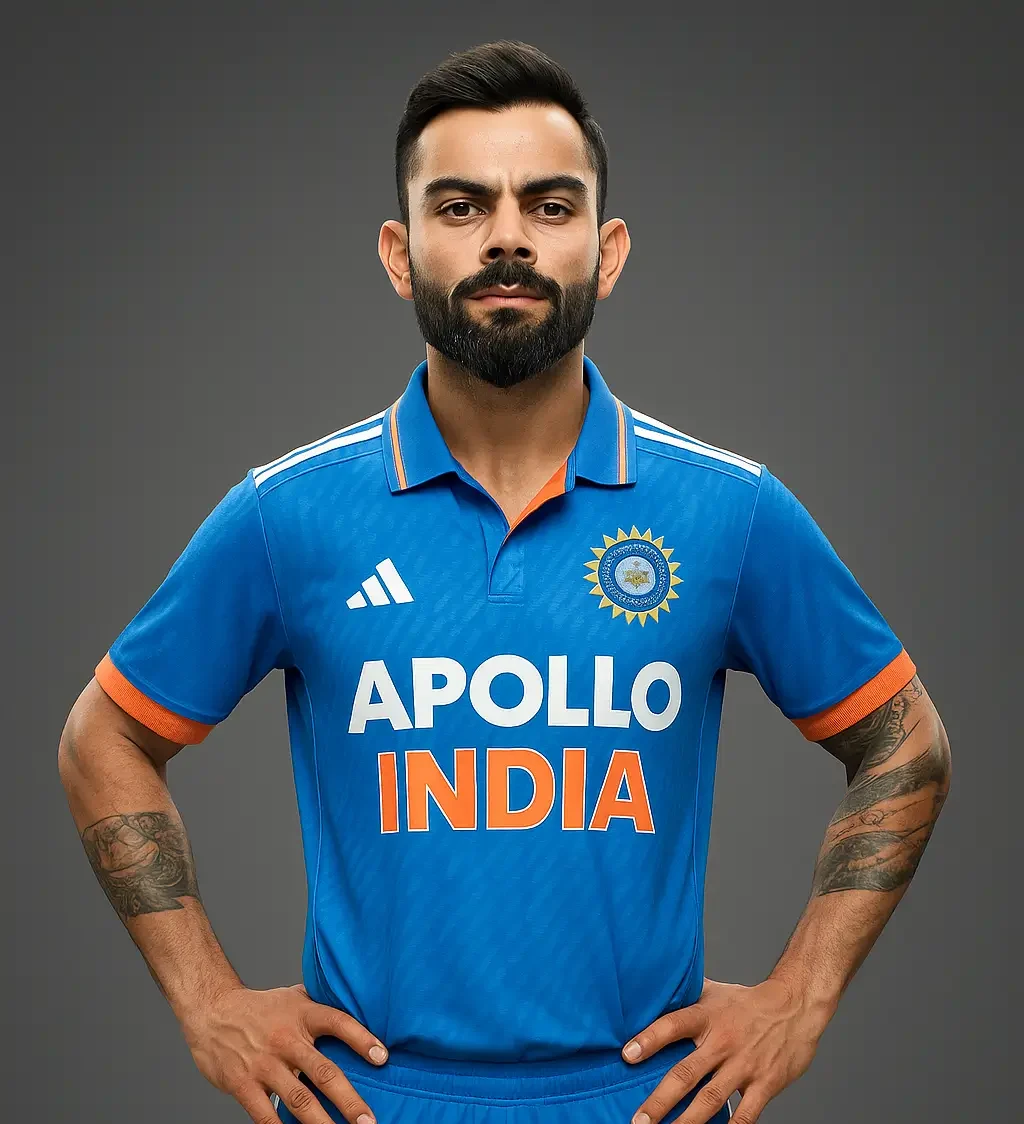
Apollo Tyres has shocked the sponsorship market with a record-breaking deal. The tyre giant has secured the rights to sponsor Team India jerseys for ₹579 crore. The agreement spans two and a half years and covers 121 bilateral games along with 21 ICC fixtures; it is not valid for IPL matches or sponsorships. This deal marks the company’s first major step into Indian cricket, and the timing could not have been more impactful.
The bidding process was competitive, with Canva and JK Cements also showing interest. However, Apollo outbid both rivals with a strong financial offer. The Board of Control for Cricket in India (BCCI) had to look for a new sponsor after Dream11’s exit due to new gambling laws. With that vacuum, Apollo stepped in and made a confident move.
The sponsorship averages close to ₹4.77 crore per game, though the actual figure varies based on bilateral or ICC matches. WPP Media is understood to have guided Apollo through the valuation and winning strategy. This is more than just a commercial deal. For Apollo, it is a chance to link its brand with the pride of Team India. For BCCI, it is a huge financial boost and reputational safety.
How is this deal beneficial — For BCCI, Fans, and Apollo?
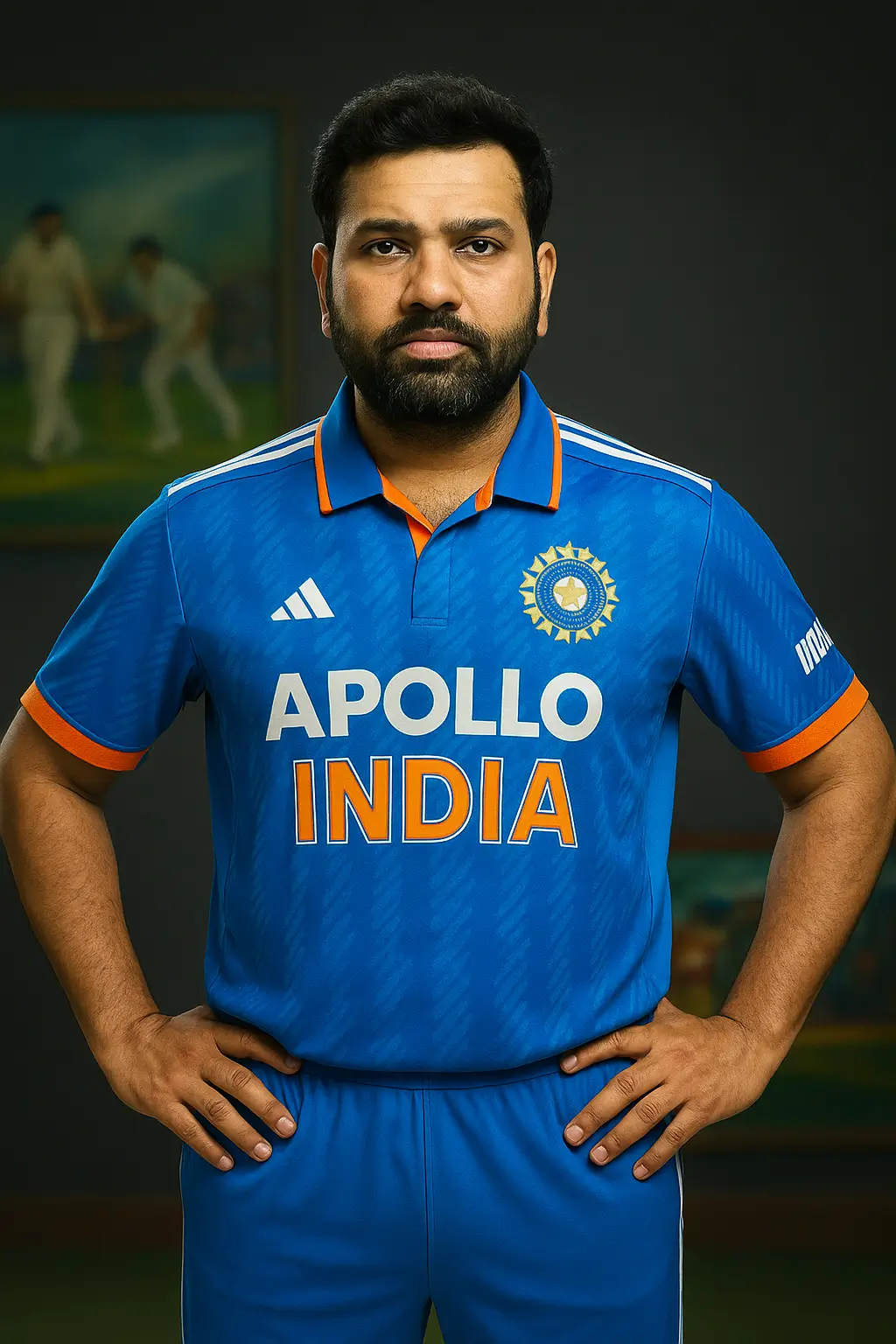
The Apollo Tyres deal offers financial stability and branding opportunities across formats. For the BCCI, the agreement provides predictable revenue for over two years, giving it more control in planning tours, managing expenses, and investing in grassroots cricket. The board had been under pressure after the Dream11 exit, but this deal not only replaces lost revenue but also surpasses it by nearly ₹200 crore.
Fans benefit from the clarity this deal brings. For weeks, India played without a sponsor logo after the government’s gaming order. Apollo’s entry ensures Team India’s jerseys regain their commercial identity, creating consistency for players and audiences alike. The company’s brand will be visible across Tests, ODIs, and T20s, giving Apollo unmatched visibility in India’s most-followed sport.
For Apollo, this is more than branding. It is about positioning itself as a household name connected with national pride. The deal also reduces BCCI’s dependence on gaming companies, which had dominated sponsorship in recent years. Overall, this move aligns finances, branding, and trust at the right time for both parties.
Short-term wins and longer ROI for Apollo Tyres
In the short term, Apollo gains instant visibility through live broadcasts, highlights, and digital promotions. Millions of fans will see the brand during every match, creating immediate recall. The company also benefits from global tournaments like ICC events, where visibility stretches beyond India.
However, the long-term return depends on activation. Apollo must go beyond just putting its logo on jerseys. Campaigns linking players with the brand, dealer promotions, and product tie-ins will be crucial. If executed well, this deal can drive brand preference during purchase decisions, making Apollo’s investment worthwhile.
Why Dream11 quit — The game changer behind the exit?
Dream11 was the previous jersey sponsor, but government regulations forced its exit. The Indian government introduced new rules restricting real-money gaming companies from sponsoring major events. Since Dream11 relied heavily on paid-entry fantasy formats, it could not continue under the revised laws. This opened the door for other brands to step in.
Fantasy gaming has dominated cricket sponsorships in recent years. These firms had deep marketing budgets and used sponsorships to expand aggressively. However, the new laws meant companies like Dream11 could no longer justify the massive outlay. For the BCCI, this was a sudden disruption, but it also created an opportunity to bring in safer, more stable sponsors like Apollo Tyres.
What does Dream11’s exit mean for fantasy sports firms?
Dream11’s exit signals a wider problem for fantasy sports platforms. Without the ability to run real-money contests freely, many companies will struggle to sustain big marketing spends. Some may switch to free-to-play models, but those bring less revenue. Others might pivot to esports or content-driven platforms.
For Indian cricket, this means the era of gaming companies dominating sponsorship may be over. Traditional brands from FMCG, auto, or tech sectors may now step up, offering stability and compliance. This reshuffle could bring fresh dynamics to sports marketing in India.
Latest gambling laws — What changed and why it matters
The sponsorship shift can be traced back to the new gambling laws. The central government tightened rules around real-money games to protect consumers and reduce betting-related harm. These laws raised compliance costs, imposed stricter advertising rules, and created licensing hurdles. For fantasy firms, the new framework was commercially unviable.
For the BCCI, this meant a rethink of sponsorship strategy. The board had been heavily reliant on gaming firms for quick cash flow, but the risks were high. The new laws forced BCCI to find corporate sponsors that aligned with brand safety and long-term stability. Apollo’s entry checks those boxes and gives the board confidence in a clean partnership.
Key clauses and what companies must do now
Companies dealing in online games must now clearly separate skill-based content from betting-style formats. They also need to acquire licenses, undergo audits, and meet strict advertising standards. Firms that fail to comply face fines and possible bans.
For sports rights holders, the focus has shifted toward trusted brands. The new environment encourages partnerships with companies that offer both financial strength and regulatory compliance. That is why the Apollo-BCCI deal feels more secure than earlier arrangements with gaming platforms.
The contenders and why Apollo’s bid stood out?
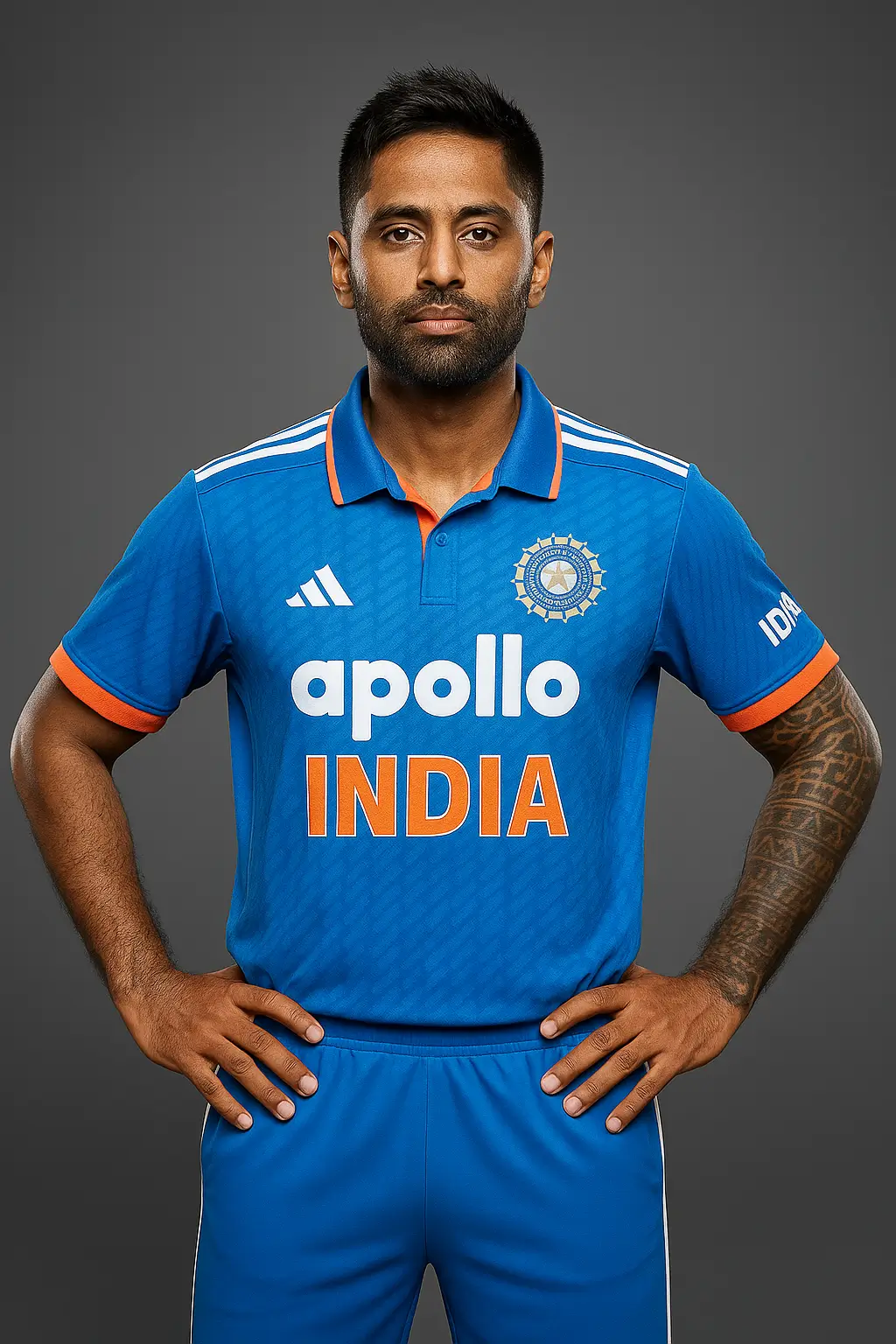 The bidding process attracted major names, including Canva and JK Cements. Canva placed a bid of around ₹544 crore, while JK Cements reportedly offered ₹477 crore. Apollo Tyres, however, outshone both with its massive ₹579 crore bid. This was well above the competition and displayed Apollo’s intent to dominate.
BCCI had increased the base price before the auction, setting it at ₹3.5 crore for bilateral matches and ₹1.5 crore for ICC fixtures. This ensured only serious players entered the bidding. While Canva and JK Cements had strong offers, Apollo’s willingness to stretch beyond the expected range sealed the deal.
For BCCI, the outcome was ideal. It not only secured a sponsor but also gained higher revenue than expected. For Apollo, this was a chance to connect with millions of cricket fans and position itself as a proud supporter of India’s favorite sport.
Why is this deal good strategically for Apollo Tyres?
Apollo Tyres operates in a competitive industry where brand trust matters. By associating with Team India, Apollo taps into the emotional pride of fans. This association links durability and performance—traits vital in tyres—with the energy of cricket.
The sponsorship also gives Apollo access to rural and urban audiences alike, strengthening recall across markets. Dealer-level activations during match seasons and product campaigns tied to Team India can deepen engagement. Strategically, the deal is about far more than money—it is about securing Apollo’s place in consumer minds.
Conclusion
Apollo Tyres’ record-breaking ₹579 crore sponsorship win has reshaped India’s cricketing landscape. The deal comes at a crucial time, following Dream11’s forced exit and the government’s clampdown on real-money gaming. For BCCI, the agreement ensures revenue stability, brand safety, and a strong global partner. For Apollo, it is a golden chance to cement its brand identity with the pride of Team India.
Fans will see the Apollo logo on India’s jerseys from September itself, beginning with India A’s series against Australia. The exposure will continue across global tournaments and high-profile tours. The deal not only strengthens Apollo’s market position but also reflects the growing power of cricket as a commercial platform.
The big question now is how Apollo activates this sponsorship. If the brand can link its products and campaigns with Team India’s success, the return on investment could be massive. As cricket continues to dominate India’s cultural fabric, this deal might be remembered as one of Apollo’s smartest moves in sports marketing.