

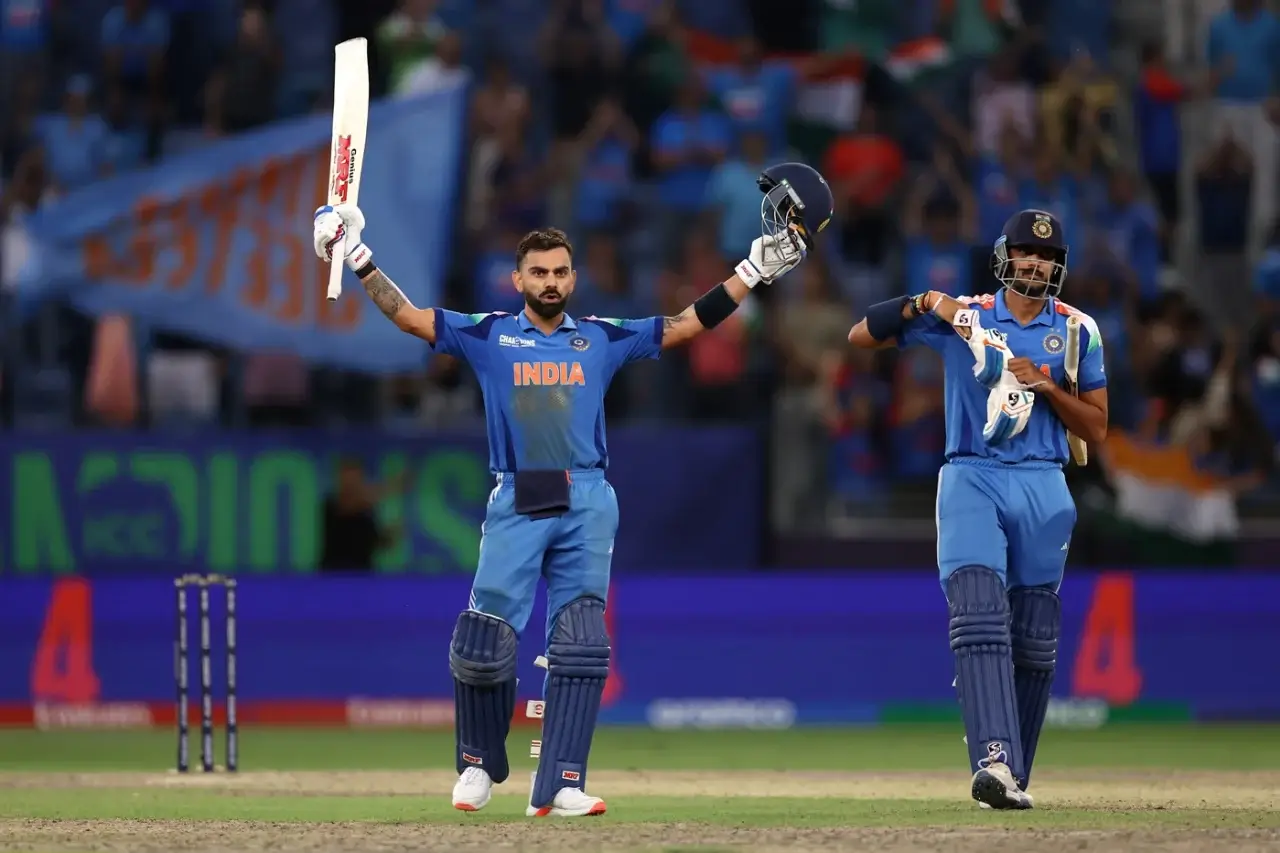
India’s three-match ODI series against New Zealand arrives with unusual weight. This is not just another bilateral assignment. It marks the starting point of India’s long and deliberate preparation for the 2027 ODI World Cup. A rare extended break has sharpened focus rather than dulled it. The pause has created space for reflection, debate, and recalibration. Discussion around Virat Kohli’s format choices has intensified scrutiny. That debate has followed the team into Vadodara. The series feels like a reset moment. India are not chasing immediate silverware. They are chasing clarity. Leadership roles, batting combinations, and bowling balance all come under review. The question of whether ODIs are an “easy format” has only amplified attention. With senior figures returning and younger leaders stepping forward, this series defines early intent. Against a New Zealand side in transition, India’s priorities become visible. Results matter, but direction matters more. How India play now will echo deep into the 2027 cycle.
Table of Contents
ToggleThe Kohli Debate and What It Reveals About ODIs
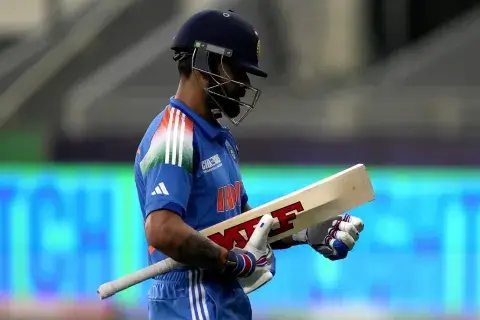 The recent debate around Virat Kohli has reopened discussion on ODI cricket’s true difficulty. Claims that ODIs are the easiest format sound neat, but reality is far messier. Longer innings may reduce early risk, but pressure accumulates relentlessly. Mistakes linger. Bowlers adapt. Fields tighten gradually. Kohli’s numbers exist because he mastered that slow build.
His recent hundreds underline sustained relevance, not comfort. If ODIs were easy, such longevity would be common. It is not. Dominance in this format demands discipline across phases. Kohli’s value lies in managing time, tempo, and expectation together.
The debate has unintentionally refocused attention on what makes ODIs hard. It has reminded fans that mastery here is rare. As India enter a new cycle, Kohli’s presence becomes symbolic. He represents continuity and excellence, not avoidance. This series shifts that debate from commentary panels to the field, where it belongs.
Shubman Gill’s Leadership Moment Arrives Early
Shubman Gill begins this series carrying more than just form expectations. Leadership now sits firmly on his shoulders. His response to the “easy format” debate reflected maturity. He reframed the argument around outcomes. India have not won an ODI World Cup since 2011. That alone challenges simplistic narratives. Gill’s approach is calm, grounded, and results-focused. This series allows him to assert that voice fully. He must balance senior authority with emerging talent against Bangladesh series that is upcoming in 2026.
His own batting rhythm also matters. Injuries disrupted momentum last year. ODIs offer space to rebuild fluency. Long innings suit his temperament. Decisions will be watched closely. Bowling rotations, batting order stability, and tactical clarity all reveal leadership. Against New Zealand, Gill leads a side balancing legacy and transition. His tone here may shape India’s ODI philosophy for the next two years.
Why ODIs Still Expose Batting Quality Ruthlessly?
The belief that ODIs are comfortable ignores their core challenge. The format demands sustained excellence. Bowlers may not attack constantly, but pressure builds invisibly. Batters must score without gambling. Concentration must last hours. Fielding restrictions create opportunity, but also expectation. Managing tempo across 50 overs requires intelligence more than flair. Kohli’s career exemplifies this balance. His centuries are built patiently, not harvested quickly. Conditions vary sharply across venues. Flat pitches still demand precision. Slower tracks punish impatience brutally. ODIs sit between formats but borrow stress from both. That balance tests temperament deeply. This is why India continue to value the format. It exposes character over time. As the 2027 cycle begins, ODIs will identify who can last. This series against New Zealand offers that test early. It separates surface comfort from sustained control.
India’s 2027 World Cup Blueprint Takes Shape
India’s preparation for the 2027 World Cup has quietly begun. This series is its first visible marker. Around 30 ODIs lie ahead before the tournament. Each match builds understanding. Combinations are refined gradually. Senior players establish standards. Younger players learn responsibility. This series provides a controlled environment to start that process.
Home conditions reduce chaos. Focus shifts to execution. How does the middle order absorb pressure? Which bowlers complement each other best? Who closes games consistently? These answers will evolve, but early signals matter. India’s recent home ODI record shows authority. Maintaining that dominance builds confidence. New Zealand provide enough resistance to keep standards high. India are not experimenting recklessly. They are refining deliberately. This series lays the foundation of that refinement, one decision at a time.
New Zealand’s Transitional Side Still Carries Threat
The New Zealand cricket team arrive without several first-choice players. That absence tempts complacency. It should not. Recent bilateral success has built belief. Even second-string New Zealand sides retain structure and clarity. Leaders like Michael Bracewell bring calm authority. For New Zealand, this tour is about exposure and learning. Young players face Indian conditions directly.
Spin, heat, and crowd pressure test adaptability quickly. Results matter, but development matters more. That mindset makes teams dangerous. Players with nothing to protect often play freely. India must stay sharp. History favours the hosts, but preparation favours intent. New Zealand’s competitiveness ensures this series remains honest. For India, that prevents early-cycle comfort.
Vadodara as the Starting Line for a New Era
The opening ODI in Vadodara carries symbolic significance. Conditions are expected to favour batting. Weather promises a full contest. High scores look likely. Such pitches test discipline more than skill. Batters must pace innings intelligently. Bowlers must innovate rather than rely on movement. For India, this is a chance to assert authority immediately. For New Zealand, it is a chance to disrupt expectations. The venue becomes the starting line. Early dominance builds momentum. Early complacency invites pressure. With debates, returns, and transitions converging, Vadodara sets the tone. This is where India’s next ODI chapter begins, not loudly, but deliberately.