


Abhishek Sharma’s rise as a modern T20 powerhouse feels both surprising and inevitable for fans. His compact frame hides rare bat speed and pure swing rhythm. His timing creates power without visible effort during high-pressure moments. His swing stays clean even when bowlers change plans quickly.
This purity comes from years of disciplined training shaped by strong mentors. Coaches like Yuvraj Singh built his early base with natural fluency. Experts like Brian Lara refined his downswing and reading of length later. This mix created a balanced approach that still evolves today.
Abhishek’s arc looks simple from distance but hides depth underneath. His hands move with smooth rhythm that supports speed and accuracy. His wrists remain loose until the final whip at impact. His swing repeats cleanly without stiffness or unwanted tension.
This article explores the biomechanics behind his power and precision. It explains why his compact build does not limit distance or control. It studies why elite coaches admire his sequencing during pressure overs. It examines how his anticipation and timing separate him from young T20 batters, experienced in IPL.
The India vs Bangladesh timeline shows how modern players rely on rhythm over muscle. This trend influences Abhishek’s approach at the crease strongly. His rise proves that technique matters more than size in elite cricket. His story reflects a new blueprint for fearless top-order batting.
How Abhishek Generates Power Without Size or Muscle?
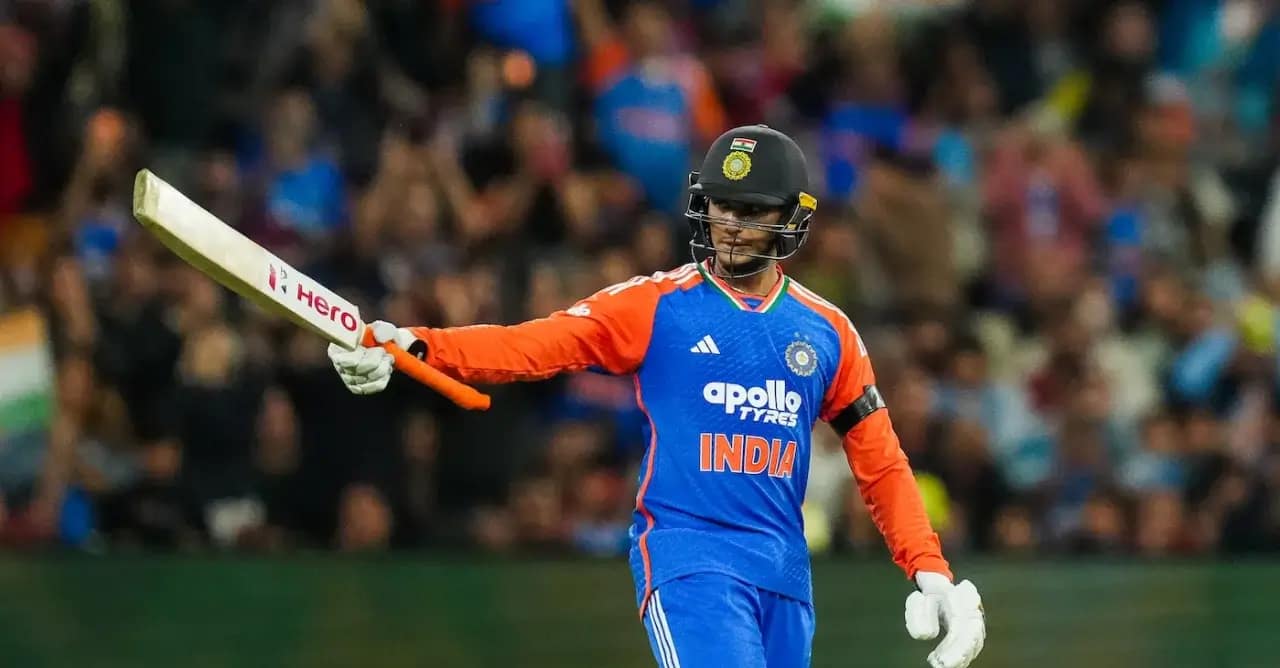
Abhishek produces remarkable power through subtle sequencing in his body. His feet press into the ground before his hips rotate smoothly. His torso uncoils in sync with the swing’s downward path. His wrists apply the final acceleration at the moment of impact.
This kinetic chain generates a strong force without requiring additional effort. His body moves like one continuous line during his stroke. His rhythm consistently keeps the swing light and fluid. His timing decides the final distance more than raw strength.
Smaller batters must rely on movement patterns to generate clean power. Abhishek uses this requirement as a core identity. His movements repeat without jerks because rhythm controls his balance. His technique removes tension from areas that reduce speed.
Abhishek’s trusted method helps him stay calm under pressure. His swing does not change with field adjustments or bowler plans. His sequencing supports shots across mid wicket, cover and long-on naturally. His power therefore becomes both predictable and adaptable.
Why Abhishek’s Swing Arc Allows Infinite Adjustments?
Experts admire Abhishek because his big arc allows subtle adjustments. His downswing stays long enough to delay commitment until late in the swing. His hands hold position before rushing through with speed. His timing at the last moment decides the direction and height.
This flexibility lets him switch areas based on conditions. He waits for bowlers to finish their release before choosing spaces. His swing path stays unchanged while results vary widely. His repeatable arc, therefore, becomes a reliable weapon across phases.
Julian Wood calls this top movement the “wave” in modern hitting. The wave allows the batter to remain patient during early strides. The hands appear still but remain in constant motion inside the chain. This illusion deceives bowlers repeatedly.
Ashwin praised Abhishek’s cover-drive variation because of this technique. He said Abhishek adjusts the downswing without changing his core arc. This control allows him to strike the ball late with high precision. This blend makes him one of cricket’s cleanest T20 hitters.
How Rhythm and Timing Shape Abhishek’s Bat Speed?
Abhishek starts with his hands central under his belly button. This position lengthens his swing while preserving balance. It helps rhythm develop naturally early in the movement. His downswing becomes fluent without stiff starting angles.
Most hitters begin with their hands near their hips, which shortens the arc. This causes pushy strokes that depend on muscle and momentum. Abhishek avoids this because rhythm stays more important than raw force. This decision shapes his identity as a pure-timing batter.
Bat speed creates distance when rhythm controls early movements. Abhishek’s wrists stay loose until the final instant. His hands explode through the ball with minimal resistance. His lightweight swing, therefore, beats heavier swings across T20 cricket.
Biomechanics research shows that lighter swings often create more distance. Abhishek proves this during high-pressure overs flawlessly. His bat-head speed spikes during the final moments due to whip-like acceleration. His technique remains one of the cleanest expressions of timing in modern cricket.
Why Abhishek’s Footwork Creates Perfect Hitting Distance?
Modern T20 batters struggle because they misjudge ball distance often. Abhishek solves this through early movement and clean alignment. He shifts his weight before bowler release with controlled strides. His base stays grounded enough to support the full chain.
His feet find ideal distance before the swing starts naturally. He avoids crowding the ball during lofted strokes frequently. He also avoids overreaching which breaks flow and balance. His early steps prepare him for both slow balls and hard lengths.
Julian Wood admires this footwork because it sets up pure contact. He says Abhishek creates “space” that helps speed and control. This space widens his arc and supports clean ball striking. His swing flows naturally when the base remains stable.
This talent separates hitters from batters during pressure overs. Abhishek never looks hurried while choosing hitting areas calmly. His footwork gives him options across off and leg sides easily. His composure stands out compared to inexperienced power hitters.
The Role of Wrist Flexibility in Abhishek’s Late Control
Abhishek’s wrists stay loose enough to adjust in the last instant. This gives him freedom to change angles sharply. His wrists add the final snap needed for distance. His timing remains consistent because tension stays minimal.
Loose wrists help him manage slower balls more effectively. They let him delay the final commitment before impact. He can choose gaps even when bowlers disguise pace cleverly. His bottom hand releases power only when the ball reaches him fully.
This technique becomes vital during overs 13 to 18 in T20 cricket. Bowlers use off-speed variations to trap power hitters often. Abhishek’s wrist control protects him against these traps. His calm movements significantly reduce the opportunities for bowlers.
His late adjustments make him difficult to plan against strategically. Teams struggle to restrict his hitting zones during the middle overs. His wrist strength consistently adds finesse and distance. This blend defines his modern left-handed batting identity.
Mentorship From Yuvraj and Lara That Built a Modern Hitter
Abhishek learned foundation skills under Yuvraj Singh during early years. Yuvraj improved his balance and natural arc significantly. He taught him to let the ball come close before meeting it. This helped his timing grow sharper with maturity.
Brian Lara refined these foundations later in Hyderabad. Lara guided his downswing patterns during net sessions. He helped Abhishek read bounce and length earlier. These lessons strengthened his ability to strike with calm confidence.
Their mentorship built layers above his natural talent. It shaped rhythm-based hitting instead of muscle-based hitting. It helped him believe in sequences that repeat cleanly. It supported his rise against elite T20 attacks quickly.
Abhishek carries their influence into international cricket proudly. His swing and footwork reflect the mix of both schools. His confidence under pressure displays Lara’s clarity strongly. His clean arc mirrors Yuvraj’s iconic left-handed style.
Why Abhishek Sharma Represents the New Blueprint of T20 Batting?
Abhishek’s rise matches new trends shaping global T20 cricket. Batters now rely on rhythm instead of brute strength. They trust timing more than body mass and power. His game reflects this shift with clean simplicity.
He reads field placements before bowlers complete their release. He anticipates length with sharp awareness every ball. He stays one step ahead of the bowler during pressure overs. His swing supports fearless hitting across multiple zones.
Abhishek’s calmness sets him apart during fast chases. He controls tempo without revealing pressure in expression. His trust in technique supports consistency over big scores. His approach influences young players watching modern cricket evolve.
His clean swing makes coaching challenge simpler for young learners. They admire his arc for its purity and repeatability. They now ask academies for drills that mirror his foundation. He becomes a model for simple yet effective modern batting.
Conclusion
Abhishek’s bat swing represents a new expression of modern power. His clean movement shows how rhythm beats muscle easily. His technique delivers distance with control across formats. His rise shows skill matters most in global cricket.
His swing arc supports flexibility during changing conditions. His timing responds well to late speed variations. His balance stays stable against bounce and movement consistently. His method becomes more refined each passing season.
His mentors shaped his confidence during early growth phases. His biomechanics strengthened his consistency under pressure. His discipline built the rhythm that powers his hitting. His journey reflects years of layered development.
Abhishek now stands among the world’s most exciting T20 batters. His pure swing inspires younger players across continents widely. His style expands global understanding of modern power hitting. His story continues growing with every clean stroke he plays.