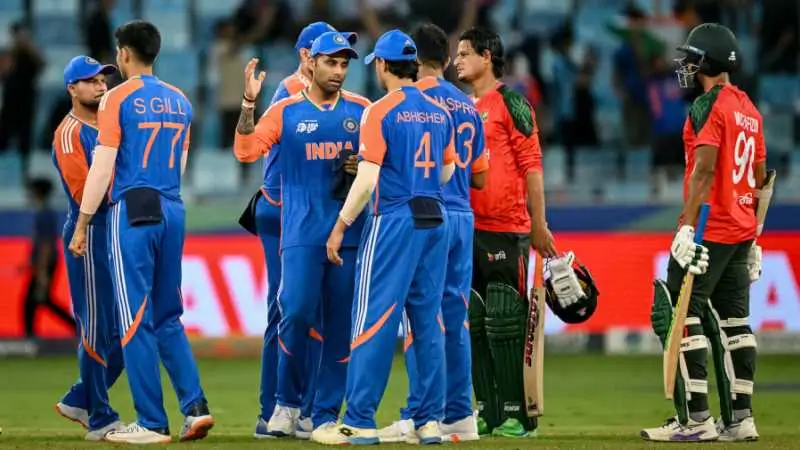
India’s 17-run win over Netherlands looked comfortable on paper. The unbeaten run continued. The Super Eight qualification was secured. Yet, beneath that success lies a tactical problem that could define their T20 World Cup journey.
Assistant coach Ryan ten Doeschate openly admitted the issue. India are not just struggling against offspin. They are struggling against fingerspin overall. The distinction matters. Offspin and right-arm finger variations are being used consistently against India’s left-heavy batting order.
Through the group stage, India faced more offspin than any other side. A total of 102 balls. That is not coincidence. That is strategy. Opponents clearly see a vulnerability. When teams repeatedly attack the same zone, it signals a weakness in match-ups.
India’s scoring rate against offspin stands at 6.23 per over. Only Nepal and Oman have scored slower among teams facing similar volumes. Those numbers do not align with a top contender’s reputation.
The bigger concern is context. On flatter wickets, stroke-making looks easier. But on surfaces where the ball grips, India’s tempo drops sharply. As the tournament moves forward, pitches are expected to slow further. That makes this problem more serious than it appears.
The Left-Hand Heavy Top Order: Strength or Tactical Risk?
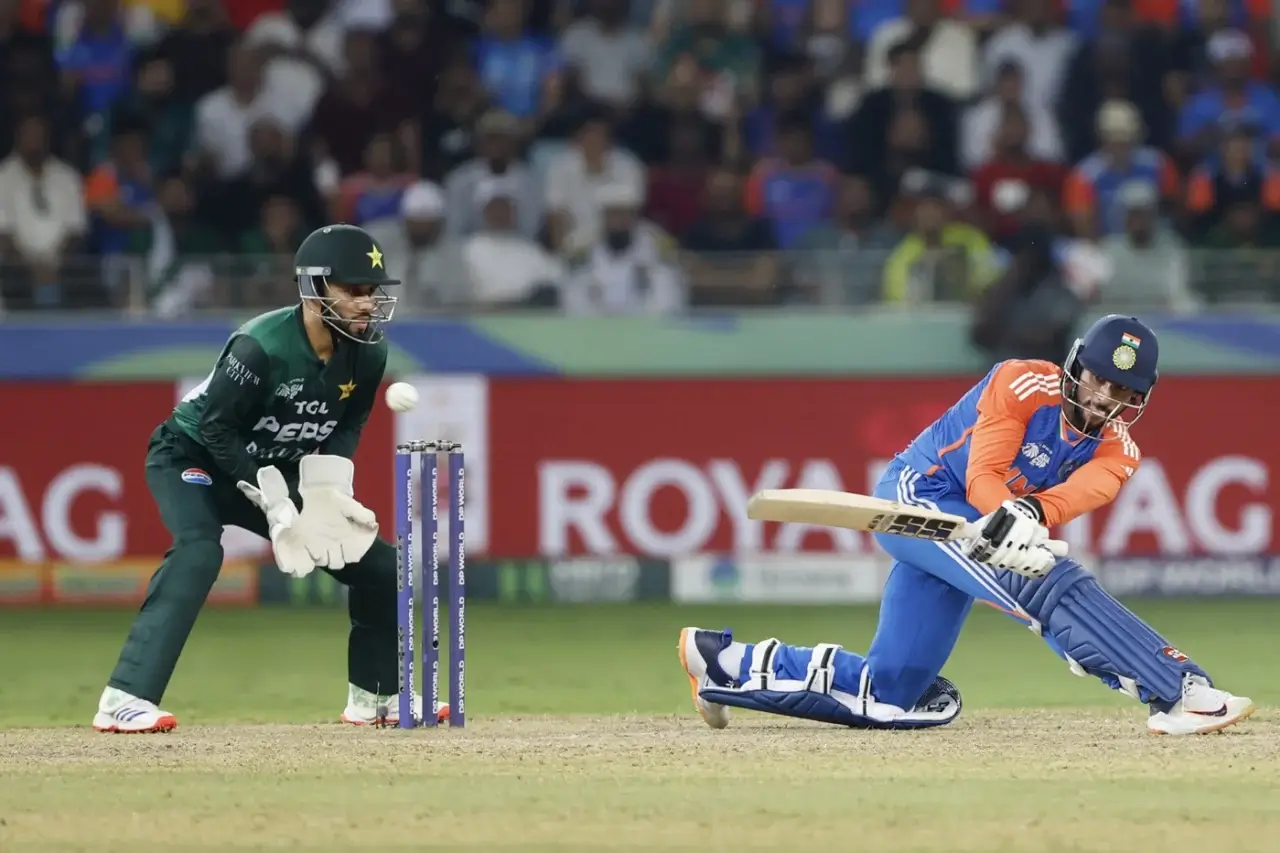
India’s top eight includes six left-hand batters to maintain timeline. In isolation, that seems harmless. Variety can disturb bowling plans. But when too many batters share the same angle, opposition tactics become simpler.
Fingerspinners naturally angle the ball into left-handers. That creates lbw threats. It brings bowled dismissals into play. It also restricts scoring areas, especially on larger boundaries.
Ten Doeschate admitted India lack alternative combinations at the top. Sanju Samson remains on the bench. However, team management still backs the current combination. The logic is stability over panic.
But this decision invites debate. Should India split an all-left top three? Or should they trust individual quality to overcome match-ups? In high-pressure tournaments, flexibility often beats stubbornness.
New Zealand, West Indies, and South Africa all possess finger spin options. Aiden Markram, for example, offers part-time offspin that could exploit these match-ups.
India’s abundance of left-handers is both an asset and a liability. On fast decks, they dominate. On gripping surfaces, they become predictable. In knockout cricket, predictability can be dangerous.
Abhishek Sharma’s Struggles: Temporary Dip or Structural Issue?
Abhishek Sharma has endured three consecutive ducks. For a young opener in a global tournament, that can damage confidence quickly.
Against Netherlands, Aryan Dutt dismissed him again. The pattern is familiar. Early fingerspin. Minimal foot movement. Defensive uncertainty.
However, the coaching staff remains calm. Ten Doeschate emphasized confidence over concern. Abhishek reportedly batted for 90 minutes in training. Rhythm returned in practice. Body language improved.
The question is not talent. His IPL performances prove capability. The concern is tactical preparation against early spin. Teams are bowling spin inside the powerplay deliberately. That removes the comfort of pace.
Young players often thrive when tempo is high. When pace is withdrawn, decision-making becomes harder. Abhishek’s challenge is mental adjustment more than technical overhaul.
If he overthinks the spin threat, dismissals may continue. If he trusts his range and rotates strike early, the pressure shifts back to the bowler. In T20 cricket, confidence cycles change quickly. The Super Eight will reveal whether this dip was temporary or structural.
Middle Overs Stagnation: A Recurring Pattern
India’s middle overs have lacked acceleration. Against Netherlands, they scored at 7.44 per over between overs 7 and 15. That is below elite T20 standards.
When Suryakumar Yadav and Tilak Varma came together, consolidation replaced aggression. It was a calculated choice. But it reduced momentum.
Across this World Cup, pitches have slowed considerably. Especially in Sri Lanka. Once the powerplay ends, run-making becomes tougher. Teams are bowling smarter. Pace-off deliveries dominate. Fingerspin increases.
The IPL rhythm does not always translate to global tournaments. In franchise cricket, flat decks allow risk-free hitting. Here, boundary options shrink. Batters must manufacture angles instead of relying on power.
The key issue is tempo control. India are not collapsing. They are slowing. That difference matters. Slowing invites scoreboard pressure in knockout matches.
The management must decide. Should middle overs prioritize survival? Or should calculated risks re-enter the plan? In tight Super Eight contests, stagnation could prove costly.
Tactical Use of Fingerspin by Opponents
Opposition teams are not experimenting. They are executing targeted plans. Pakistan bowled 17 overs of fingerspin in one match. The returns were strong.
In Colombo, conditions amplified this tactic. Slower surface. Longer boundaries. Controlled pace. Every element supported spin-heavy plans.
Netherlands used Aryan Dutt boldly in the powerplay. That is unusual in modern T20 cricket. But it worked. Early wickets created hesitation.
Fingerspin offers control. It reduces pace on the ball. It tempts cross-batted shots. Against multiple left-handers, angles become more effective.
The trend is clear. Bowl spin early. Contain through middle overs. Force India to attack against grip. That blueprint will likely continue.
Unless India counter it tactically, this pattern will repeat in Super Eight clashes.
Venue Conditions: Ahmedabad vs Colombo Impact
Ahmedabad presents larger boundaries. That restricts aerial stroke play. Even slight mis-hits get caught.
Colombo adds slower surfaces into the equation. The ball holds. Batters cannot swing freely. Timing becomes critical.
In such venues, finger spin thrives. It does not need extravagant turn. Subtle grip is enough.
Ten Doeschate acknowledged venue exaggeration. Certain grounds amplify India’s spin discomfort. The Super Eight schedule may feature similar conditions.
Therefore, this is not merely a technical flaw. It is environment-dependent vulnerability. When surfaces flatten, India look unstoppable. When they slow, match-ups tighten.
Preparation must reflect venue realities. Practice sessions must simulate slower decks. Strike rotation drills must intensify.
Ignoring environmental patterns would be risky. Tournament cricket punishes slow adaptation.
Role Clarity Debate Around Tilak Varma
Tilak Varma’s role has sparked debate. Critics argue he bats cautiously. The coaching staff disagrees.
They insist he plays a defined role. Anchor through tricky phases. Stabilize after early losses. Build platform for finishers.
Role clarity is essential. But adaptability is equally important. If surfaces demand aggression, anchors must shift gears.
Tilak’s technique suits spin. He uses wrists well. But intent sometimes appears subdued. Whether that is tactical instruction or individual choice remains internal.
In Super Eight matches, role rigidity may backfire. Situational awareness must guide tempo. Static roles rarely survive evolving match scenarios.
India need clarity. But they also need flexibility.
Can India Adjust Without Changing Personnel?
Dropping players mid-tournament signals panic. That may hurt dressing-room morale. Therefore, management prefers tactical tweaks over personnel shifts.
Sanju Samson offers right-hand balance. But changing combinations disrupts stability. The staff appears reluctant.
Adjustments could instead involve batting order swaps. A right-hander floating up during spin phases could disturb bowling plans.
Strike rotation emphasis must increase. Boundaries are not always required. Singles break rhythm. Doubles stretch field placements.
If India adapt without drastic changes, confidence remains intact. If they stubbornly persist, opponents gain predictability advantage. Balance between trust and flexibility defines championship teams.
Super Eight: The Real Test of India’s Spin Game
Group stages often hide weaknesses. Super Eight exposes them. Opponents are stronger. Plans are sharper.
New Zealand bring disciplined spin control. West Indies possess power and variety. South Africa combine pace and smart offspin options.
India’s fingerspin issue could indeed become a differentiator. As ten Doeschate suggested, this phase will separate contenders from pretenders.
The solution is not wholesale change. It is clarity. Early intent. Smart rotation. Match-up awareness.
Abhishek’s confidence recovery matters. Middle overs acceleration matters more. Tactical counter-plans against spin will define outcomes. India remain unbeaten. That counts. But unbeaten does not mean flawless.
The next three matches will reveal whether this vulnerability becomes a turning point or merely a minor statistical blip in a championship campaign.