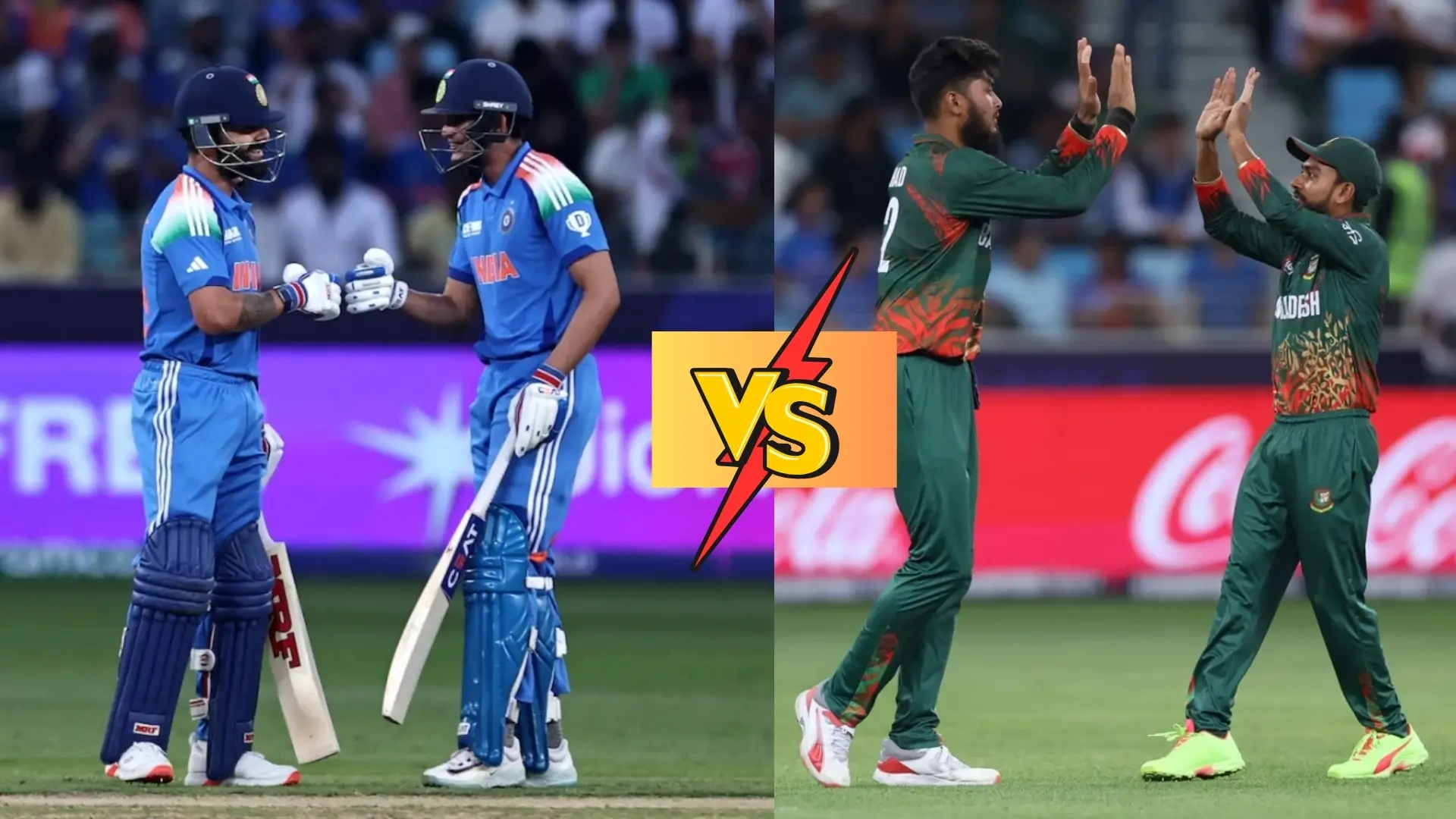
Bangladesh’s World Cup exit has triggered deep disappointment among fans. Expectations were high before the tournament began. Supporters believed this squad had the experience to push into knockout stages. Instead, the campaign ended earlier than hoped.
Cricket in Bangladesh is more than sport. It is identity and pride. When the national team exits a global tournament, the emotional reaction spreads quickly. Social media criticism intensifies. Former players question planning and execution.
Such exits also test dressing-room unity. Confidence dips. Senior players face scrutiny. Younger players feel external pressure. Managing that emotional wave becomes critical for team management.
However, disappointment can also become motivation. If handled properly, this moment could strengthen long-term ambition. Emotional setbacks often trigger necessary reforms. The key question now is whether Bangladesh Cricket Board will respond strategically or emotionally.
This exit is not just a result. It is a psychological turning point that could influence mindset, preparation, and national expectations for years ahead.
Leadership Under the Microscope
Whenever a major tournament ends early, leadership becomes the focal point. Captaincy decisions, team selection, and tactical planning now face public examination. Bangladesh’s leadership group will feel intense pressure.
Questions will arise about field placements, bowling rotations, and batting order adjustments. Did the team adapt quickly enough? Were strategies flexible against stronger opponents? These debates will dominate analysis shows and fan discussions.
Senior players also face evaluation. Leadership is not only about on-field tactics. It involves handling pressure and inspiring belief. If performance dips coincide with leadership stagnation, change becomes likely.
The board may consider structural adjustments. Sometimes, a World Cup exit accelerates captaincy transitions. That possibility now enters Bangladesh’s conversation.
However, abrupt decisions can create instability. The challenge lies in balancing accountability with continuity. If leadership evolves thoughtfully, this exit could spark a stronger direction. If handled reactively, it could deepen instability within the squad.
Batting Concerns Exposed
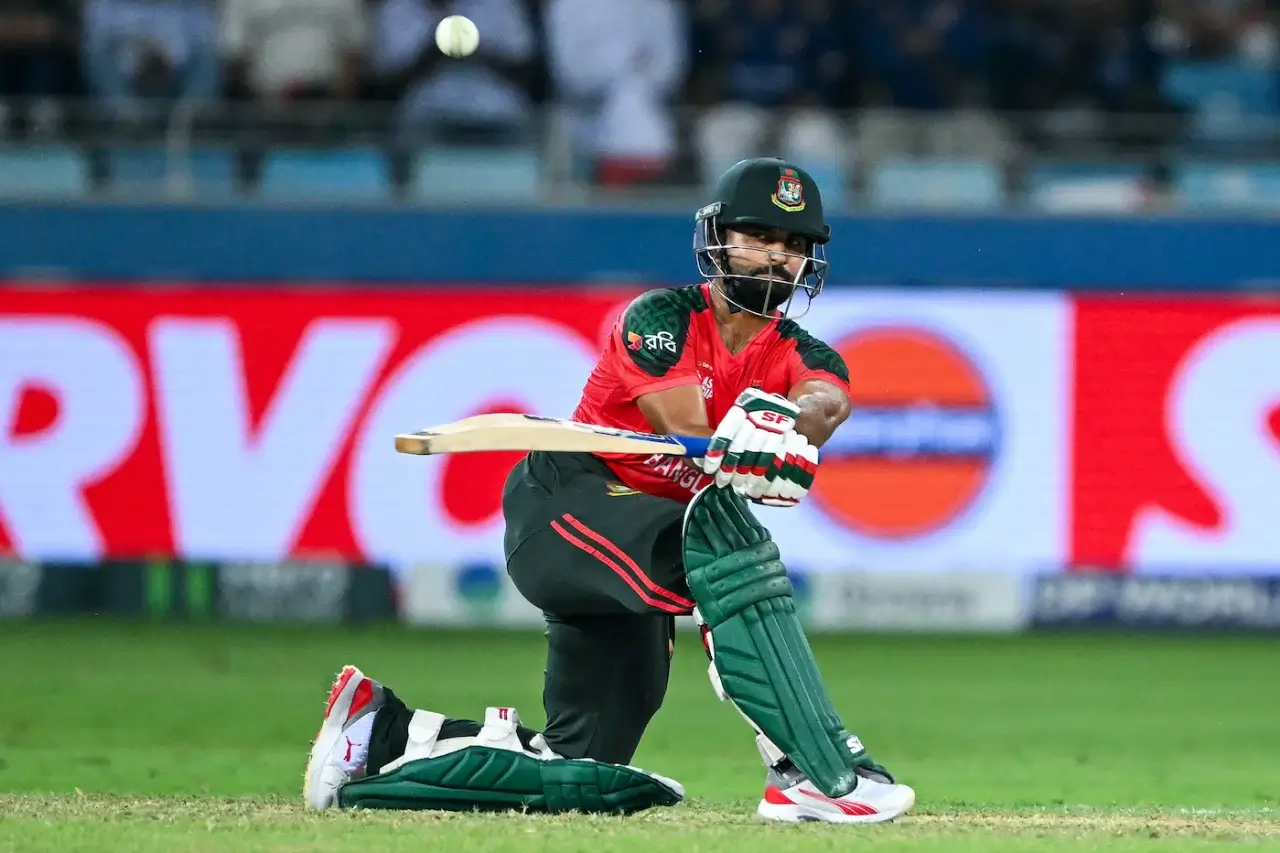
Bangladesh’s batting inconsistency stood out during the tournament. Promising starts often failed to convert into dominant totals. Middle-order collapses created pressure repeatedly.
Strike rotation issues and inability to accelerate in middle overs hurt momentum. Against stronger bowling attacks, Bangladesh struggled to maintain scoring rhythm. That limitation became decisive.
Modern T20 and ODI cricket demand adaptable batting templates. Teams must switch gears smoothly. Bangladesh’s rigidity sometimes allowed opponents to regain control.
This exit may force technical reassessment. Domestic cricket structures might need alignment with international demands. Power-hitting depth, finishing roles, and situational awareness require improvement.
The talent pool exists. The challenge is development and clarity of roles. If the board invests in specialized batting coaching and exposure tours, this setback could become a growth platform. Without systemic correction, similar exits may repeat in future tournaments.
Bowling Positives and Gaps
Bangladesh’s bowling unit showed flashes of quality. Certain spells demonstrated control and discipline. However, consistency across full matches remained inconsistent.
Death-over execution became a recurring concern. Slight errors in length resulted in heavy punishment. Against top-tier teams, such mistakes become decisive.
Spin options remain Bangladesh’s traditional strength. Yet modern cricket requires pace variation and aggressive seam options. Depth in fast bowling still appears limited compared to elite sides.
The exit may push selectors to prioritize bowling depth. Emerging fast bowlers could receive extended opportunities. Investment in fitness and workload management becomes critical.
If Bangladesh sharpen their death-bowling strategy and develop multi-dimensional pace options, their competitive level rises significantly. This World Cup highlighted both promise and gaps. Addressing those gaps systematically is now essential for progress.
Impact on Senior Players’ Futures
A World Cup exit often accelerates career crossroads for senior players. Veterans who carried the team for years now face tough scrutiny. Questions about longevity, fitness, and role clarity will intensify.
Some may choose retirement. Others may transition into mentorship roles. Such decisions can reshape dressing-room hierarchy quickly.
The board must manage transitions carefully. Abrupt generational shifts can destabilize performance. Gradual integration of younger talent ensures continuity.
Fans often demand sweeping changes after disappointment. However, emotional decisions rarely produce sustainable success. Bangladesh must evaluate experience versus emerging energy strategically.
This tournament exit may mark the end of one era and the beginning of another. How that transition unfolds will define Bangladesh’s competitiveness in the next global cycle.
Financial and Commercial Consequences
World Cup performances significantly impact commercial value. Early exits reduce global exposure and brand positioning. Sponsorship leverage can weaken temporarily.
Bangladesh cricket relies heavily on tournament visibility for commercial growth. Success boosts broadcasting appeal and merchandise engagement. Failure slows that momentum.
However, Bangladesh still commands a passionate fan base. Domestic viewership remains strong. The board can offset losses through strategic marketing and bilateral series planning.
Performance recovery is the strongest commercial strategy. If Bangladesh bounce back strongly in upcoming tours, commercial stability returns quickly.
Financial implications exist, but they are manageable. The bigger concern lies in long-term competitive perception. Sustained improvement is essential to maintain global relevance and sponsorship strength.
Grassroots and Development Reflection
Major tournament exits often trigger grassroots evaluation. Are domestic competitions producing match-ready players? Is the structure aligned with international demands?
Bangladesh must reassess talent pathways. Power-hitting skills, athletic fielding standards, and pace development require stronger focus at junior levels.
Investment in high-performance centers and sports science can bridge performance gaps. Exposure to foreign leagues also enhances tactical maturity.
If the board views this exit as a development wake-up call, long-term gains are possible. Reforming academies and domestic tournaments ensures sustained competitiveness.
This moment could shape Bangladesh cricket’s foundation for the next decade. Strategic planning now determines whether the nation becomes stronger or stagnates.
Fan Trust and Public Narrative
Public trust fluctuates with results. After a World Cup exit, criticism intensifies rapidly. Social media amplifies disappointment.
Maintaining transparency becomes crucial. Honest communication from team management can rebuild confidence. Avoiding defensive narratives helps restore belief.
Bangladesh cricket thrives on emotional fan support. Losing that connection would be damaging. Engaging supporters through accountability and forward planning is essential.
The narrative must shift from blame to rebuilding. If fans sense long-term vision, patience increases. Without clarity, frustration grows.
Managing perception is as important as managing performance. Rebuilding trust requires both improved results and visible structural reforms.
A Turning Point or Another Missed Opportunity?
Every World Cup exit presents a crossroads. Bangladesh now face a choice. They can treat this as isolated disappointment or as a catalyst for transformation.
History shows that successful cricket nations evolve after setbacks. Honest assessment leads to stronger systems. Defensive reactions prolong stagnation.
Bangladesh possess talent and passion. The missing element remains consistency and tactical adaptability. Addressing these areas requires courage from administrators and players alike.
If reforms begin immediately, this exit could mark the beginning of a competitive resurgence. If ignored, it risks becoming another missed opportunity in Bangladesh’s cricket journey.
The coming months will define the direction. This World Cup exit is painful. But it may also be the necessary spark for long-term growth.