
T20 World Cup delivered one of its defining nights at Pallekele International Cricket Stadium. Sri Lanka national cricket team chased 182 with authority, defeating the Australia national cricket team by eight wickets and confirming their place in the Super Eights.
At one stage, Australia appeared set for a commanding total. Their openers surged past 100 inside nine overs. Sri Lanka looked rattled. Yet momentum flipped dramatically through spin and fielding brilliance. The final 10 overs yielded just 77 runs for 10 wickets.
That collapse proved decisive. Chasing 182 under lights can invite nerves. Instead, Sri Lanka displayed clarity and composure. The crowd sensed something special unfolding as boundaries flowed.
Australia now depend on improbable results elsewhere. Their campaign hangs by a thread. Sri Lanka, meanwhile, march forward with growing belief and balance.
This contest was not merely about qualification. It was about control under pressure. Sri Lanka absorbed the storm, then dictated the outcome with skill and precision.
Marsh and Head Unleash Powerplay Carnage
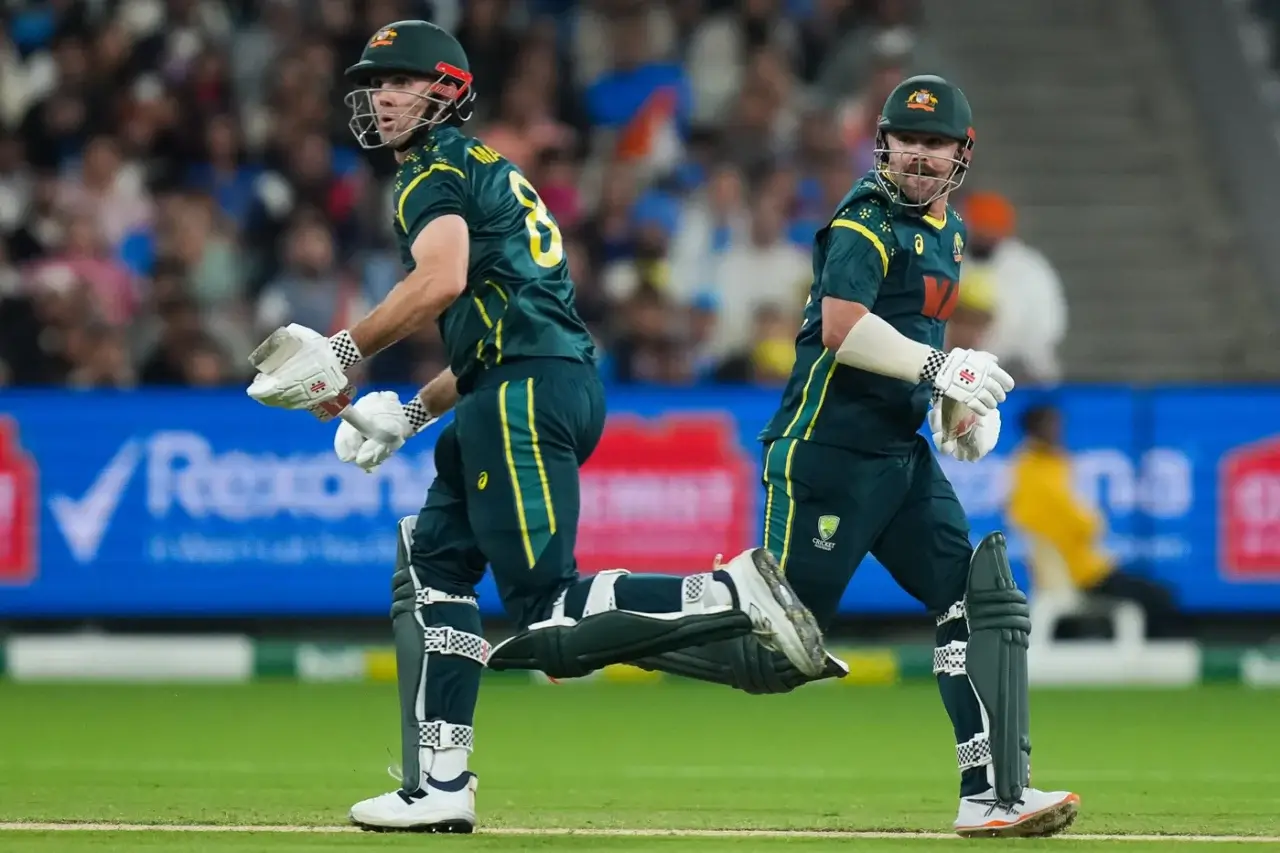
Mitchell Marsh returned to the XI with immediate authority. Partnered with Travis Head, he transformed the early overs into a boundary exhibition.
The pair raced to 104 within the first 50 legal deliveries. Marsh combined brute force with timing, punching spinners through cover and lofting seamers cleanly. Head matched aggression stroke for stroke, finally rediscovering rhythm after a lean patch.
Sri Lanka’s setback deepened when Matheesha Pathirana limped off with a calf injury in his first over. Australia sensed vulnerability and attacked relentlessly.
By the ninth over, both openers had reached half-centuries. Field placements appeared reactive rather than proactive. Australia’s run rate hovered near 12 per over. A total beyond 200 seemed inevitable.
Yet T20 cricket rarely follows straight lines. One breakthrough can shift psychology entirely. And Sri Lanka found that opening through persistence rather than panic. The dismissal of Head began the unraveling.
Spin Strikes Back: Hemantha and Wellalage Hold Nerve
Dushan Hemantha absorbed punishment bravely before earning reward. Despite conceding early boundaries, he persisted with flight and turn. Eventually, Head miscued to long-off.
The wicket injected belief. Soon after, Dunith Wellalage trapped Cameron Green with a delivery that gripped and straightened. Momentum tilted subtly.
Marsh fell playing back to a fuller ball. Suddenly, Australia’s imposing 104 for 0 became 127 for 3. Middle overs slowed. Sri Lanka tightened fielding rings and forced risk.
Hemantha’s control under pressure stood out. Instead of flattening trajectory, he trusted spin. That courage disrupted Australia’s rhythm.
Wellalage’s economy ensured no release overs followed. Boundaries dried temporarily. Dot balls accumulated.
From apparent dominance, Australia drifted into uncertainty. Sri Lanka sensed vulnerability and pressed collectively.
Fielding Sparks the Collapse
Great T20 victories often feature defining fielding moments. Pathum Nissanka provided two. First, he dropped Glenn Maxwell at backward point. Then, moments later, he leapt spectacularly to intercept Maxwell’s reverse sweep, dismissing him.
That catch electrified Pallekele. Maxwell’s wicket halted late acceleration. Soon after, Dushmantha Chameera delivered disciplined death overs from around the wicket.
Maheesh Theekshana redeemed an expensive powerplay by conceding minimal runs late. Marcus Stoinis struggled for strike as dot balls mounted.
Australia managed just 21 in the final four overs and only six in the last two. From 104 for 0, they closed on 181. Competitive, yet underwhelming considering the start.
Fielding intensity converted pressure into wickets. That shift transformed the chase into achievable territory rather than daunting pursuit.
Nissanka Sets the Tone in the Chase
Chasing 182 required clarity. Nissanka supplied it instantly. He attacked pace with crisp back-foot punches and lofted strokes over mid-off. Early boundaries relieved pressure.
Sri Lanka reached 61 in the powerplay. Nissanka dominated scoring with 38 off 20. Australia’s slower-ball variations lacked deception. Overpitched deliveries were punished.
Even when Adam Zampa strung together tight overs, Nissanka responded decisively, charging and lofting him straight. His intent prevented stagnation.
The chase never felt rushed. Singles rotated smoothly. Boundaries arrived at controlled intervals. Required rate rarely spiraled. Nissanka balanced power and placement masterfully. He did not merely attack; he calculated.
Kusal Mendis Provides Perfect Support
Kusal Mendis complemented Nissanka beautifully. While Nissanka targeted pace, Mendis dismantled spin with nimble footwork.
He struck four boundaries across two overs of spin to reach his half-century swiftly. The partnership flourished to 97 runs, extinguishing Australian hopes.
When Mendis fell to Stoinis, Sri Lanka still required 77 from 47. Yet panic never surfaced. Structure remained intact.
The balance between aggression and composure defined this stand. Mendis absorbed pressure during brief quiet phases, allowing Nissanka to accelerate strategically. Partnerships win chases. This one sealed momentum irreversibly.
Australia’s Bowling Falters Under Lights
Zampa, usually Australia’s control bowler, endured a rare off night. He went wicketless and conceded 41. Loose deliveries were dispatched clinically.
Nathan Ellis and Maxwell bowled tidy spells but lacked breakthroughs. Stoinis claimed a wicket yet leaked boundaries when pressure peaked.
Australia’s inability to adapt lengths proved costly. Short balls sat up. Full balls lacked yorker precision. Slower balls were predictable.
Without Pathirana’s pace in opposition ranks, Sri Lanka faced minimal sustained threat.
Bowling discipline deserted Australia at critical moments. That deficiency ultimately cost qualification control.
The Endgame: Nissanka Finishes in Style
As Sri Lanka approached the target, Nissanka shifted gears. He launched Ellis for consecutive sixes. He dismantled Zampa’s 18th over with 15 runs.
At 72 off 41, he accelerated decisively. His unbeaten 100 arrived amid thunderous applause. It was a statement innings.
He ended the match with authority, ensuring no late drama. Two overs remained unused.
An opener finishing unbeaten in a high-stakes chase underlines composure and dominance.
What This Means for the Tournament?
Sri Lanka advance confidently into the Super Eights. Their blend of spin depth, fielding sharpness, and top-order stability makes them formidable.
Australia, by contrast, require unlikely outcomes. Their campaign now hinges on mathematics rather than momentum.
This match may define the tournament narrative. Sri Lanka absorbed early assault, countered through discipline, and chased with assurance.
Nissanka’s century will echo as one of the 2026 World Cup’s finest innings. For Australia, it may symbolize a campaign slipping beyond control.