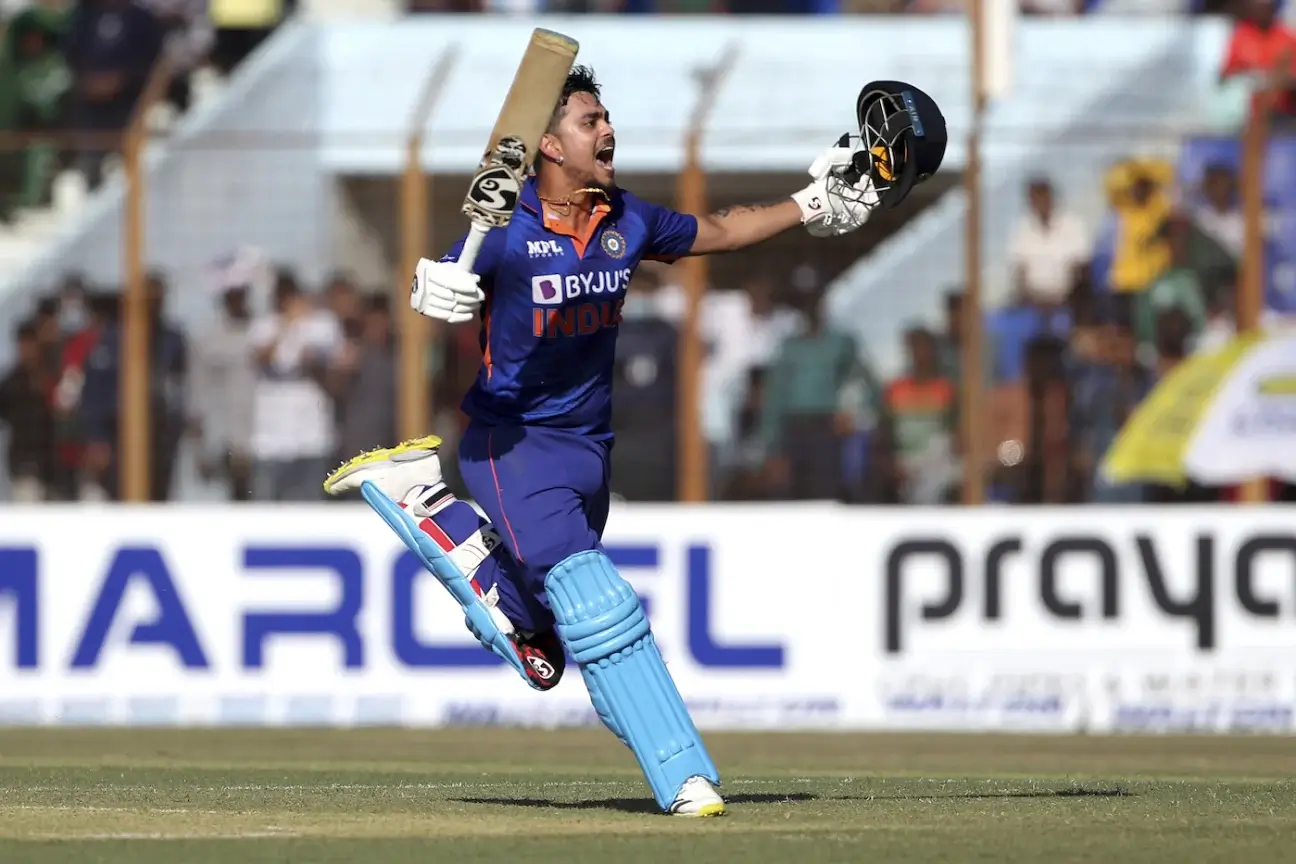
India are not used to looking rattled with the bat in T20 cricket. Yet the Mumbai collapse, where they slipped to 77 for 6 against USA, forced a rare pause for reflection. For a side built on powerplay dominance and middle-overs acceleration, that scoreline felt unfamiliar. Conditions across this World Cup have offered more to bowlers than expected, and India discovered that reputation alone does not conquer helpful surfaces.
The immediate task now is restoration. Not reinvention, but reset. Two days in New Delhi were spent rediscovering fluency. Nets were loud. Shoulders loosened. Six-hitting drills intensified. The objective is clear: return to tempo before facing sterner tests ahead, including Pakistan in Colombo.
Against Namibia at the Arun Jaitley Stadium, India seek not just two points but rhythm. They want their batting identity back — proactive, fearless, imposing.
This fixture may appear mismatched on paper. In context, it is pivotal. Momentum in short tournaments can swing quickly. India understand that one hiccup must not become habit. Delhi offers opportunity. Small boundaries. A potentially truer surface. A chance to restore normalcy.
Mumbai’s Warning: When Conditions Bite Back
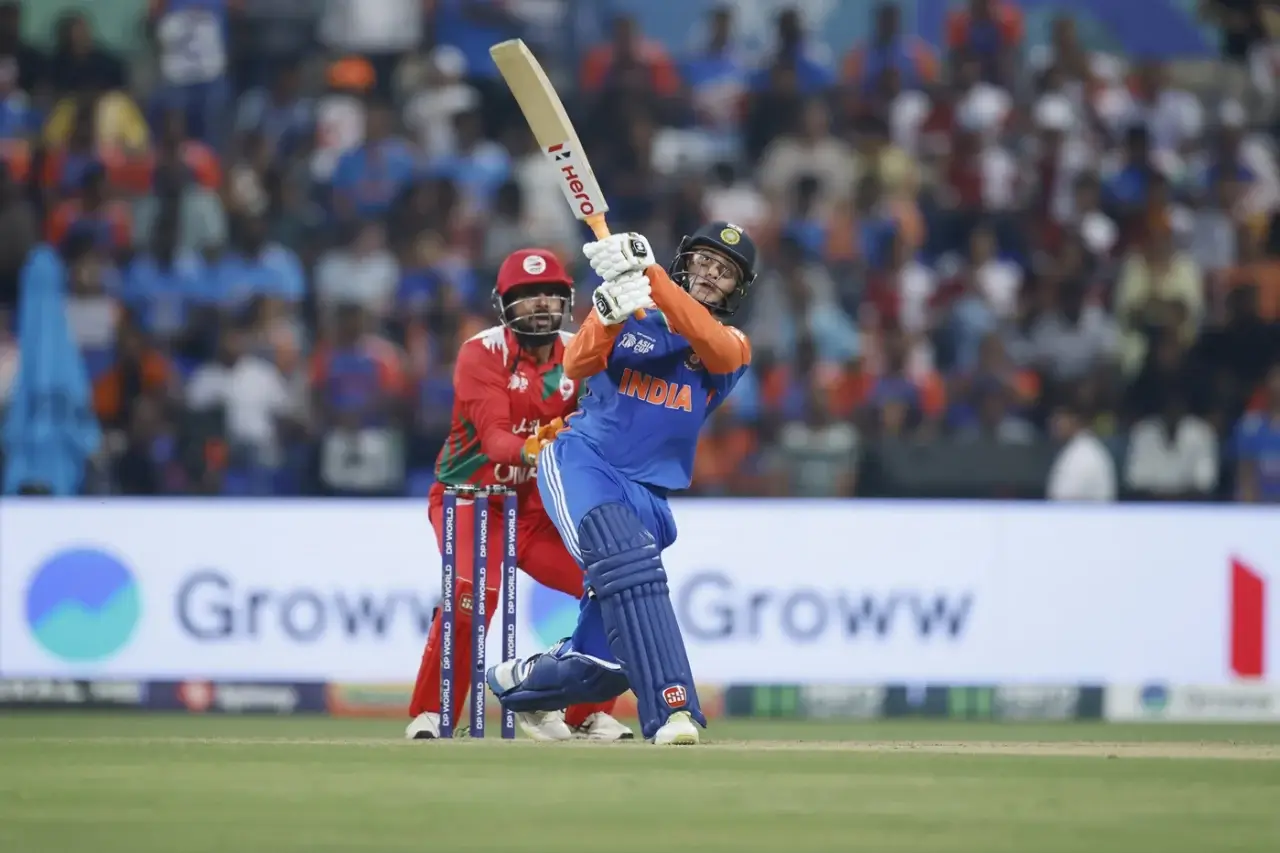
India’s stumble in Mumbai served as a reminder that T20 dominance depends heavily on conditions to dominate the timeline. The pitch offered grip and uneven bounce. Bowlers who varied pace extracted reward. India’s top order, usually explosive, found themselves restrained.
USA’s disciplined lines choked scoring areas. India were forced into riskier strokes earlier than preferred. The result was a chain reaction of dismissals. Momentum evaporated quickly.
This World Cup has not been a run-fest. Across venues, 200-plus totals have been scarce. Bowlers have enjoyed assistance from surfaces slower than anticipated. India, like others, must adapt without abandoning identity.
Assistant coach Ryan ten Doeschate acknowledged the need for batting revision. That revision is less about technique and more about clarity. Recognising when to attack. Identifying bowlers to target. Preserving wickets without stagnating.
Mumbai exposed vulnerability. But it also offered information. India now know the margins are slimmer than usual. Great teams respond swiftly to disruption. The Namibia fixture becomes the first measure of how effectively India recalibrate.
Nets in Delhi: Reclaiming the Six-Hitting Rhythm
Training sessions in Delhi carried urgency. Hardik Pandya launched balls into the Mohinder Amarnath Stand, reaffirming his finishing power. Sanju Samson practised square hitting, targeting the Bishan Singh Bedi and Gautam Gambhir Stands with intent.
The drills were deliberate. Emphasis on clearing infield. On attacking length balls early. On reestablishing intimidation. Samson’s extended net time suggests a return to the XI. Batting alongside Ishan Kishan in consecutive sessions indicates likely opening responsibilities. India appear intent on injecting fresh momentum at the top.
This is not panic. It is preparation. India know that rhythm in T20 cricket often depends on confidence. Repetition in nets restores muscle memory. Big hits in practice rewire belief.
Delhi’s smaller boundaries could aid the reset. But intent must precede assistance. India want to torment bowling attacks again — to dictate rather than react.
Namibia’s Challenge: Embrace the Occasion, Avoid the Overwhelm
For Namibia, this match represents exposure at the highest level. Captain Gerhard Erasmus emphasised composure. His message: stay present, enjoy the moment, do not be overawed.
The challenge extends beyond opposition quality. Playing under lights at a packed stadium introduces sensory overload. Noise, scale, expectation — all amplify pressure.
Namibia lacked opportunity to train under lights before the fixture. That unfamiliarity adds complexity. Yet Erasmus insists his team will “rock up and fight.”
Associate nations in this tournament have competed admirably. Namibia’s powerplay economy of 6.91 since 2024 reflects discipline with the ball. They are not passive participants.
But facing India demands execution near perfection. Fielding must be sharp. Plans must hold under assault. For Namibia, growth matters as much as result. Competing fearlessly against the champions strengthens belief.
Venue Watch: Can Delhi Deliver the Run Fest?
The Arun Jaitley Stadium traditionally favours batters. Short boundaries invite aerial play. Flat surfaces encourage stroke-making.
However, this World Cup has defied expectations. Many venues anticipated to produce high scores have aided bowlers instead. Delhi’s pitch preparation will determine tempo.
If the surface plays true, India’s hitters could thrive. Namibia’s seamers must adapt quickly. Variations in pace may still prove effective if the pitch grips.
Even in high-scoring environments, early wickets shape narrative. Powerplay strategy becomes decisive. For India, Delhi offers opportunity to restore batting identity. For Namibia, it presents challenge and stage.
Team News: India’s Selection Balance
Abhishek Sharma’s recent hospitalisation makes his immediate return unlikely. Sanju Samson appears poised to open with Ishan Kishan. That combination offers left-right balance and aggression. Tilak Varma slots into a stabilising yet attacking role. Suryakumar Yadav anchors middle overs with innovation. Hardik Pandya, Rinku Singh and Shivam Dube provide finishing thrust.
Jasprit Bumrah is expected to return, replacing Mohammed Siraj despite Siraj’s three-wicket haul. Bumrah’s experience across formats — over 100 wickets in Tests, ODIs and T20Is — underlines his reliability. Varun Chakaravarthy’s 58 wickets since the 2024 T20 World Cup highlight India’s spin potency. Selection signals intent: attack early, consolidate smartly, close ruthlessly.
Namibia’s strongest asset lies in early overs economy. Sub-seven powerplay economy since 2024 places them among disciplined bowling units. Ruben Trumpelmann and Bernard Scholtz must exploit any initial assistance. Gerhard Erasmus’ leadership stabilises middle overs.
Batting requires clarity. Louren Steenkamp and Jan Frylinck must absorb pressure. JJ Smit and Zane Green add lower-order punch. Namibia cannot drift. They must seize moments decisively.
Psychological Layer: India’s Need for Normalcy
India’s batting identity has been built on dominance. A collapse disrupts rhythm not only statistically but psychologically. Tilak Varma’s habit of visualising high-pressure games reflects mindset preparation. The squad understands that confidence fuels performance. A strong showing against Namibia resets narrative. It reinforces belief before marquee clashes. Short tournaments reward swift corrections. India’s goal is to treat Mumbai as anomaly, not pattern.
For India, this is about trajectory. For Namibia, about experience and statement. India want momentum ahead of facing Pakistan. Namibia seek validation of growth. The group remains competitive. Net run rate could matter. Big wins build cushion. This fixture, though seemingly uneven, carries layered significance.
Conclusion: Reset Before the Real Storm
India arrive in Delhi seeking restoration. Namibia arrive seeking opportunity. Mumbai’s stumble was warning, not crisis. Nets in Delhi suggest response is underway. Selection choices indicate proactive recalibration.
Namibia will fight. They will attempt to disrupt rhythm. But India’s objective is clarity: dominate early, regain six-hitting fluency, restore normalcy. In tournaments where margins narrow quickly, one match can reset narrative. Delhi offers that chance. India will hope to seize it decisively.