Cricket boards spend years preparing for World Cups. Infrastructure rises from empty land. High-performance centres are built with advanced technology. Coaches analyze thousands of hours of footage. Fitness trainers monitor every muscle movement. Selectors identify talent years in advance.
All of that planning moves toward one shared goal: lifting a World Cup trophy. But sometimes, destiny shrinks everything into six balls.
The South Africa vs Afghanistan clash in the 2026 T20 World Cup did exactly that. Months of strategy, years of preparation, and national hopes narrowed into one Super Over. Then another. Two bursts of cricket that carried the weight of decades.
It was not just a match. It was a study of pressure. A collision between meticulous long-term planning and fragile human execution. Every run felt historic. Every mistake felt permanent.
In those Super Overs, players were not just athletes. They were human beings fighting emotion, fatigue, doubt and expectation. This was cricket at its rawest.
The Architecture of World Cup Preparation
World Cups do not begin when the first ball is bowled. They begin years earlier inside boardrooms and training academies. For nations like South Africa and Afghanistan, preparation follows structured blueprints.
South Africa has invested heavily in elite training facilities. Performance analysts break down the opposition data frame by frame. Fast bowlers follow workload management programs designed years in advance. Conditioning coaches prepare athletes for high-pressure knockout scenarios.
Afghanistan’s journey is different but equally determined. Their rise has been rapid. Investment in youth cricket has expanded. Domestic leagues now serve as talent incubators. Senior players mentor younger prospects through global tournaments.
Each system operates like a machine with multiple moving parts. Every bilateral tour serves as rehearsal. Every tactical experiment builds toward World Cup scenarios.
Administrators forecast performance targets. Coaches design match simulations. Players adapt to different conditions months before arrival.
And yet, after all that structure, a World Cup can hinge on one misjudged throw. One mistimed yorker. One over of chaos.
That is the cruel paradox of sport. Macro planning meets micro execution. Years of careful construction collide with seconds of uncertainty.
The First Super Over: A Spear Tip of Destiny
By the time the match reached its first Super Over, 39.4 overs of cricket had already drained both sides. Afghanistan were bowled out with two balls remaining. South Africa fought back to level the score.
The tension inside the stadium shifted instantly. What had been a group-stage fixture now felt like a final.
Super Overs compress everything. Two batters. One bowler. Six balls. There is no room for gradual recovery. Every delivery carries consequence.
Fazalhaq Farooqi stepped into the moment carrying both exhaustion and responsibility. Kagiso Rabada had already endured a rollercoaster final over. The match had transformed into a psychological test.
Eighteen runs were set as the target in that first Super Over. On paper, that total appeared defendable. But paper does not feel pressure.
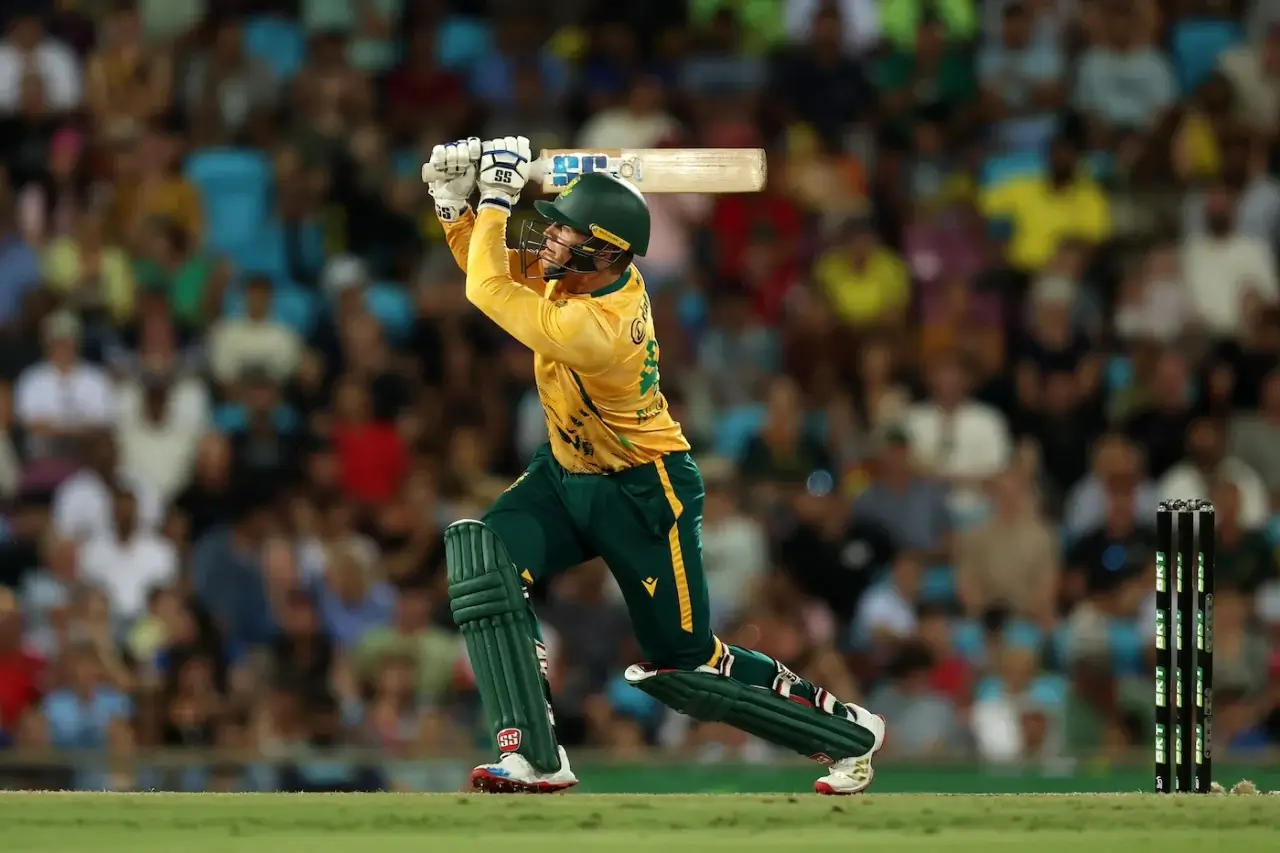
A six. A wicket. A yorker. Then a full toss that drifted inches too high. Tristan Stubbs swung. The ball cleared the rope.
In that instant, cricket turned mythical. The match demanded a second Super Over. One mistake. Ten centimeters too high. And history rewrote itself.
Human Frailty Under the Microscope
Pressure exposes vulnerability. Even elite athletes are not immune to it. In this match, small human errors echoed like thunder.
Farooqi’s failure to dive fully during Afghanistan’s final run in regulation overs may haunt him. Rabada’s no-ball earlier in the innings changed momentum. These are moments invisible in planning documents.
Coaches can train technique. Psychologists can prepare minds. But instinctive decisions under extreme stress belong to raw human nature.
Super Overs act like microscopes. Every flaw becomes visible. Fatigue creeps into reflexes. Doubt slows reaction time by fractions of seconds.
The difference between victory and defeat often lies in muscle memory versus hesitation. In this match, both teams danced on that thin line. And when execution faltered, it did so by inches, not meters.
Afghanistan’s Rise Meets Brutal Reality
Afghanistan’s cricket journey has been inspirational. From refugee camps to global tournaments, their story carries emotional depth.
This World Cup was an opportunity to cement their growth. A win over South Africa would have reshaped group standings dramatically.
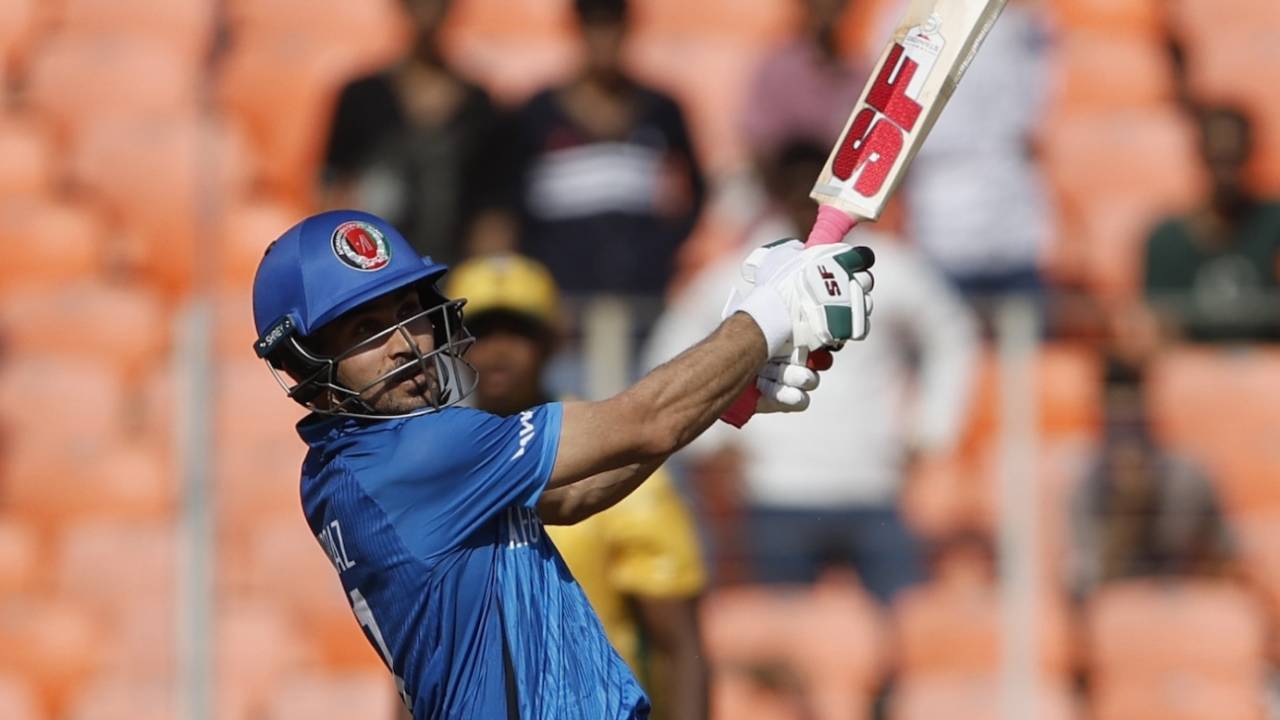
They competed fiercely. Rahmanullah Gurbaz nearly defied odds. Azmatullah Omarzai contributed crucial moments. The team showed composure beyond experience.
Yet at the sharpest point of competition, execution betrayed them. A full toss to David Miller in the second Super Over proved costly. Tactical clarity evaporated in seconds.
Afghanistan proved they belong. But they also experienced the brutality of elite margins. Growth in cricket often comes through heartbreak.
South Africa and the Weight of History
South Africa carries a long history of World Cup heartbreak. The 1999 semi-final tie. The 2015 near miss. The 2023 final loss.
Every tight game triggers memory. Players may not speak openly about it, but history lingers.
In this match, they faced familiar tension. Rabada’s final over fluctuations reflected both pressure and resilience. Maharaj’s composure under fire mattered deeply.
Winning the double Super Over was more than two overs of skill. It was psychological redemption. For a nation often haunted by narrow losses, this victory felt like emotional repair.
The Physics of Inches and Destiny
Sport often turns on physics. Martin Guptill’s throw in the 2019 World Cup final deflected off Ben Stokes’ bat in a moment that still sparks debate. Similarly, Farooqi’s full toss missed the ideal yorker length by mere centimeters. Had it dipped slightly lower, the outcome may have changed.
Cricket is governed by angles, speed, trajectory. But it is also shaped by timing and fortune. The line between genius and regret can be razor thin. Super Overs magnify these physics lessons brutally.
Why Super Overs Are Cricket’s Purest Drama?
Super Overs strip cricket to its essence. No long spells. No tactical build-ups. Just confrontation. They are magnetic because they isolate skill and nerve. One bowler against two batters. No safety net.
Viewers experience condensed drama. Players feel amplified pressure. The spectacle becomes unforgettable. This match elevated that drama further by extending into a second Super Over. Rare. Unpredictable. Electrifying. It reminded fans why T20 cricket thrives globally.
All large sporting systems aim to reduce uncertainty. Data models attempt to predict outcomes. Strategy meetings prepare contingencies.
Yet emotion cannot be modeled. In those Super Overs, spreadsheets became irrelevant. It was instinct against instinct.
The collision between structured preparation and human emotion defines sport’s beauty. South Africa and Afghanistan illustrated that perfectly.
Conclusion: A Lifetime Inside Twelve Balls
You can live a lifetime inside a Super Over. Years of planning, funding, development and sacrifice shrank into twelve deliveries in Ahmedabad. South Africa walked away with victory. Afghanistan left with heartbreak. But the margin separating them was microscopic. This match will linger in memory not because of group standings, but because it exposed sport’s raw truth.
No matter how detailed preparation becomes, the final act belongs to human hands. And sometimes, those hands tremble.
That is why World Cups captivate us. Because within seconds, they reveal both greatness and vulnerability. In this game, we saw two Super Overs. And perhaps, two lifetimes unfold.