
The upcoming fixture between India and Pakistan carries weight far beyond points on a table. In every global tournament, this matchup becomes the gravitational center. Administrators plan around it. Broadcasters price around it. Host cities prepare for it. This World Cup is no different.
Pakistan entering this phase “ready to play” is not just a sporting statement. It signals logistical clearance, political green lights, and tournament alignment. In recent cycles, uncertainty often hovered around fixtures involving India and Pakistan. This time, clarity has arrived earlier. That stability matters for players, boards, and stakeholders.
India, as hosts, have already settled into tournament rhythm. Their infrastructure, scheduling, and crowd readiness give them familiarity advantages. Pakistan’s readiness, meanwhile, reflects months of behind-the-scenes coordination involving visas, security protocols, and travel planning. These processes are rarely visible but deeply influential.
Bangladesh Avoid Penalties and What That Signals for Tournament Governance
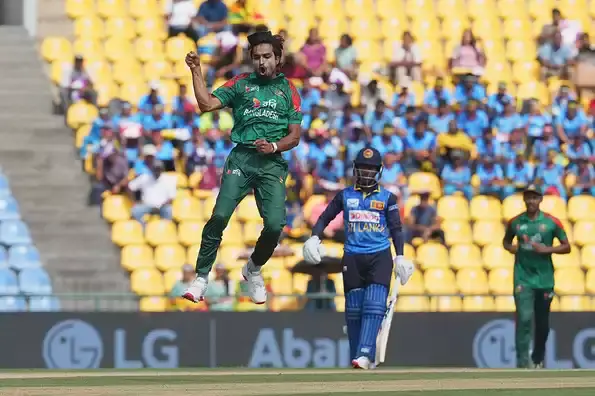
The psychological element is equally important. Players sense certainty. When fixtures are locked without noise, preparation sharpens. Distractions fade. That benefits competitive quality.
From the tournament’s perspective, this match anchors the group stage narrative. Every result around it feels secondary. Teams measure their campaigns against it to maintain the timeline. Fans do too.
With no administrative cloud hanging over the fixture, attention returns where it belongs — cricket. That alone raises the tournament’s credibility and intensity at a crucial moment.
The Headlines
While India and Pakistan dominate headlines, Bangladesh quietly achieved something equally important: compliance. Avoiding penalties in a tightly regulated World Cup environment sends a strong signal about governance, discipline, and preparation.
Modern ICC tournaments operate under strict frameworks. Over-rate rules, logistical timelines, media obligations, and conduct codes are enforced more consistently than in the past. Penalties are no longer symbolic. They affect standings, finances, and reputation.
Bangladesh clearing this phase without sanctions reflects administrative maturity. In previous tournaments, smaller boards often struggled with compliance pressures. This time, Bangladesh met the requirements cleanly. That helps their standing within global cricket politics.
On-field performance still decides matches, but off-field efficiency increasingly shapes opportunity. Teams that manage logistics well reduce stress on players. That translates into better preparation windows and clearer tactical focus.
For Bangladesh, avoiding penalties also protects their net run rate strategies. Points deductions or fines often create cascading disadvantages. Staying clear keeps their campaign intact.
From the ICC’s perspective, this compliance validates stricter enforcement. When major teams and developing teams both adhere, governance gains legitimacy.
Bangladesh’s situation may not grab headlines, but it reinforces an important tournament message: professionalism is no longer optional. In high-stakes World Cups, discipline is part of competitiveness.
Pakistan’s Playing Conditions: Readiness Beyond the Squad List
Pakistan being “ready to play” is not limited to naming an XI. It reflects a broader readiness across climate adaptation, pitch reading, and scheduling acceptance. Indian conditions differ sharply from those Pakistan encounter at home. Preparing for them requires intentional exposure and planning.
Pakistan’s recent tours and training camps focused heavily on heat endurance, dew management, and spin-heavy middle overs. These elements define subcontinental World Cups. Teams that ignore them suffer late.
The current Pakistan setup has prioritized flexibility. Batting orders are fluid. Bowling combinations adjust to pitch wear. That adaptability matters more than raw talent in India.
Another factor is crowd environment. Pakistan players expect hostile atmospheres in India. Preparing mentally for that noise is part of readiness. Silence is rare. Pressure is constant. Teams that anticipate it cope better.
Logistically, travel between venues has also been addressed early. Recovery windows, practice schedules, and security routines are settled. That reduces fatigue.
This level of readiness suggests Pakistan are not treating this as just another group match. They see it as a campaign-defining moment.
When preparation extends beyond skills into systems, teams gain margin. Pakistan appear to have invested in that margin.
India’s Advantage: Familiarity, Stability, and Tournament Control
India enter this phase with advantages that are structural rather than emotional. Playing at home provides familiarity with pitches, travel patterns, and climatic shifts. These advantages compound over a long tournament.
Indian players understand how surfaces change across days. They read dew patterns instinctively. They know how crowds influence momentum. These aren’t small edges.
Administrative stability also helps. India’s board controls scheduling efficiency, practice facilities, and recovery logistics. That doesn’t guarantee wins, but it minimizes disruption.
Psychologically, India carry expectation rather than uncertainty. That pressure is heavy, but it is familiar. Many Indian players have navigated it across IPL seasons and past World Cups.
Against Pakistan, India’s focus will be discipline. Avoiding emotional spikes matters more than aggression. Home advantage turns fragile when teams chase moments instead of processes.
India’s readiness isn’t about hype. It’s about repetition. They have rehearsed these conditions for years. In tournaments, predictability is power. India possess plenty of it.
Economic Impact: Why India–Pakistan Fixtures Reshape Tournament Value
No fixture in cricket carries economic gravity like India versus Pakistan. Broadcasters price advertising slots differently. Sponsors activate special campaigns. Host cities see spikes in tourism and local spending.
Ticket demand surges beyond capacity. Secondary markets inflate rapidly. Hospitality sectors benefit immediately. This single match can influence a tournament’s revenue curve.
For broadcasters, viewership projections multiply. Advertisers shift budgets toward this window. Even digital platforms experience traffic surges.
The ICC depends on these fixtures to stabilize tournament economics. Revenue from one India–Pakistan match often offsets weaker-performing games elsewhere.
This economic reality influences scheduling fairness debates. Critics argue it skews priorities. Organizers argue it sustains the ecosystem.
Either way, the financial impact is undeniable. When this match proceeds smoothly, confidence increases across stakeholders. Stability here protects the tournament’s commercial backbone.
Bangladesh’s Economic Position: Quiet Stability Over Flash
Bangladesh’s clean compliance also carries economic implications. Avoiding fines preserves prize money potential. Maintaining reputation attracts future hosting opportunities and sponsorship interest. For boards outside the “big three,” financial stability depends on predictability. Penalties disrupt budgets quickly.
Bangladesh’s disciplined approach signals reliability to partners. That matters in an era where cricket economics grow unevenly. Clear rules reduce anxiety. When teams know consequences and conditions early, preparation improves.
This tournament phase demonstrates better alignment between governance and competition. India, Pakistan, and Bangladesh represent cricket’s most influential region.
How this phase unfolds shapes future scheduling trust. Smooth execution strengthens South Asia’s leadership role. With penalties avoided and fixtures confirmed, cricket takes center stage.
Broadcast, Sponsorship, and Advertising: How Clearance Changes the Money Flow
Once uncertainty disappears from high-profile fixtures, commercial machinery accelerates instantly. With Pakistan cleared to play India and Bangladesh unaffected by penalties, broadcasters unlock premium inventory that was previously held in reserve. Advertising rates spike not because of speculation, but because certainty allows brands to commit budgets confidently.
In cricket economics, uncertainty is poison. Sponsors delay campaigns. Broadcasters hedge projections. Digital platforms underperform expectations. The moment fixtures are confirmed without administrative caveats, that hesitation disappears. India–Pakistan matches attract advertisers who otherwise avoid cricket entirely. Automotive brands, fintech firms, consumer electronics companies, and betting-adjacent sponsors all circle this window.
Bangladesh’s clean status also matters here. Penalty-free teams offer stable scheduling. That predictability allows multi-match sponsorship packages instead of single-game punts. Brands prefer continuity. Bangladesh providing that continuity increases their commercial attractiveness beyond on-field results.
Broadcasters benefit most. Prime-time slots sell out faster. Regional language feeds gain traction. International syndication rights perform better when marquee games proceed smoothly. Even highlights packages and digital clips see stronger monetization.
For tournament organizers, this phase becomes a financial inflection point. Revenue confidence improves. Cash-flow projections stabilize. That allows better operational spending later in the tournament, including fan engagement and event production.
In short, clearance isn’t procedural. It is financial oxygen. The moment governance steps aside cleanly, money moves decisively. That is exactly what has happened here.
Political Neutrality Through Sporting Process
One understated outcome of this phase is political de-escalation through procedural clarity. When fixtures proceed without controversy, political narratives fade into the background. That benefits all stakeholders.
Cricket boards often sit uncomfortably between sport and geopolitics. Clear compliance allows them to lean on process rather than negotiation. That shields players from political pressure.
Pakistan being cleared to play India removes speculation cycles that usually dominate media coverage. Bangladesh avoiding penalties prevents unnecessary narratives around favoritism or enforcement bias.
This neutrality strengthens the ICC’s position. Consistent application of rules builds credibility. When enforcement feels even-handed, trust improves.
For players, this matters deeply. Reduced political noise allows focus. Preparation improves. Performance quality rises. In the long term, tournaments remembered for cricket rather than controversy retain higher brand value. Sponsors prefer that environment. Fans do too. This phase quietly reinforces that ideal.