India’s T20 World Cup campaign has reached its first genuine inflection point. The opening game against USA was meant to be routine. Instead, it delivered a sharp reminder that tournaments punish complacency quickly. Now, ahead of the Namibia clash in Delhi, India are recalibrating.
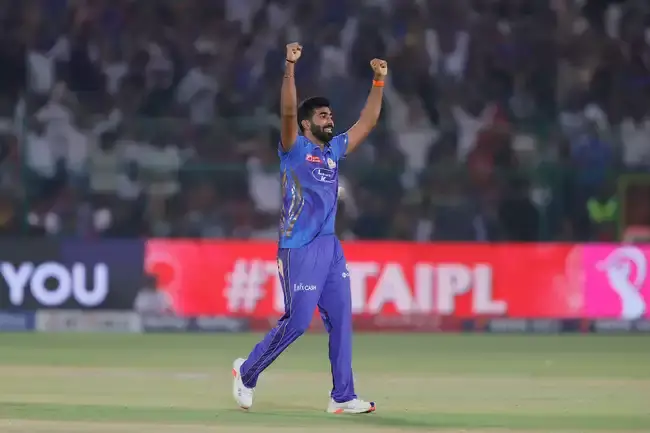
The biggest boost is the return of Jasprit Bumrah, who missed the opener due to illness but is now back bowling at full pace. At the same time, uncertainty surrounds Abhishek Sharma and Washington Sundar, forcing India’s think tank into scenario planning mode.
This match is not just about points. It is about rhythm, balance, and clarity. India are defending champions, playing at home, and learning in real time how unforgiving this tournament can be. The Namibia game becomes a proving ground for lessons learned.
Table of Contents
ToggleWhy Bumrah’s Return Changes India’s Entire Balance?

Bumrah’s availability does more than strengthen the bowling attack. It stabilises the entire XI. His presence allows India to plan phases rather than react to them. Without him against USA, India lacked a bowler who could absorb pressure and reset momentum.
Bumrah offers control in chaos. He bowls high-difficulty overs. Powerplay breakthroughs. Middle-over containment. Death overs under dew. That versatility frees captains from overthinking.
Against Namibia, his role will likely be about rhythm rather than aggression. India will want him sharp, not overworked. But even at eighty percent, Bumrah changes batting behaviour. Opponents plan differently. Risks are delayed. That has value beyond wickets.
Mentally, his return also calms the group. Young bowlers feel protected. Spinners know they are not carrying the attack alone. Captains gain flexibility.
India’s bowling plans against Namibia will revolve around Bumrah’s spells. Everything else fits around him. That is why his return is the headline, not just a team update.
Abhishek Sharma’s Fitness and the Cost of Early Disruption
Abhishek Sharma’s situation is more delicate than it appears. His duck against USA was not the concern. His inability to take the field afterward was.
As an opener, Abhishek sets tone. His game is built on early intent. When unavailable, India lose a specific type of pressure. That forces reshuffles further down the order.
Stomach illnesses are unpredictable. Even if cleared, endurance becomes a question. In T20 cricket, clarity matters more than partial fitness. A compromised opener disrupts plans quickly.
If Abhishek misses out, India must decide whether to preserve intent or stability. Do they replace like-for-like? Or do they adjust approach entirely?
This decision influences middle-order roles. It affects when finishers are exposed. It also impacts how aggressively India approach the powerplay. Abhishek’s fitness, therefore, is not an isolated call. It cascades through the XI.
Washington Sundar and the Luxury of Combinations
Washington Sundar’s return adds a different layer of complexity. Unlike Abhishek, Washington influences balance rather than tempo.
As an allrounder, he opens tactical doors. Three spinners. Extra batting depth. Powerplay overs with control. Match-ups against left-handers.
India’s assistant coach has been clear. Washington fits multiple combinations. That flexibility is gold in tournament cricket. It allows adaptation without compromise.
However, match fitness matters. A side strain is not trivial. India will weigh rhythm against readiness. Net sessions offer clues, not certainty.
Against Namibia, Washington could be eased in. Or he could be held back for sterner tests. That decision reflects India’s broader tournament strategy. The key is not forcing combinations early. Depth works best when used deliberately.
Opening Options if Abhishek Misses Out
If Abhishek is unavailable, India have choices. None are perfect. All carry trade-offs. One option is Sanju Samson. He offers experience and strokeplay. But his recent form has been inconsistent. Opening demands immediate clarity.
Another option is to reshuffle internally. Push a middle-order batter up. That preserves squad balance but alters roles. India could also double down on stability. Reduce early aggression. Play a longer powerplay.
Each option changes how India approach the match. Against Namibia, margin for error is higher. But habits formed now carry forward. The choice will reveal India’s priority. Intent or insurance.
Lessons from 77 for 6 Against USA
India’s collapse against USA was not a fluke. It was a warning. Early wickets exposed a flaw. The instinct to attack every ball can become self-destructive. Assistant coach Ryan ten Doeschate admitted as much. Modern T20 batting celebrates six-hitting. But conditions still matter. Some wickets demand application. India were reminded of that the hard way.
The recovery, led by Suryakumar Yadav, was exceptional. But relying on miracles is not sustainable. Against Namibia, India may adjust. More singles. Better shot selection. Controlled aggression. That shift does not weaken India. It strengthens them.
Delhi Conditions and What They Demand
Delhi offers unique challenges. Day games grip. Evening games ease. Fresh pitches help batters, but early overs still test technique.
Namibia vs Netherlands showed turn and bounce. India must respect that. Assuming flat conditions invites trouble. Dew may arrive later. Bowlers must adapt. Spinners need strong release points. Pacers need clarity.
India’s familiarity helps. But familiarity can breed assumption. The smarter approach is observation first, aggression second. This venue rewards teams who read conditions faster than opponents.
India surprised many by sending Axar Patel at No. 8 against USA. Historically, he has been the collapse-stopper. The rationale was experimentation. Giving others game time. Exploring flexibility.
The lesson, however, was clear. When trouble strikes, rely on what works. Axar’s value lies in timing. He stabilises. He resets. Moving him too far down removes that utility. Against Namibia, India may revert to familiar patterns. Stability over novelty.
Namibia Are Not Pushovers
Namibia have improved significantly. Their discipline stands out. They bowl straight. They field sharply. They compete. India cannot afford casualness. Respect must translate into planning.
Namibia’s bowlers thrive on pressure mistakes. If India repeat USA errors, the game tightens quickly. This is why Bumrah’s return matters. Control removes opportunity.
India aim to defend the T20 World Cup at home. That ambition adds weight. Early stumbles amplify scrutiny. This match is about asserting control. Establishing rhythm. Reinforcing identity.
With Bumrah back, combinations clearer, and lessons fresh, India have a chance to reset. Namibia are the test. Not for skill. For discipline.
India’s second World Cup match arrives at the right time. Early enough to adjust. Serious enough to matter. Bumrah’s return stabilises the side. Fitness calls will shape combinations. Lessons from USA will guide intent.
This is not about dominance. It is about control. And in tournament cricket, control wins titles.