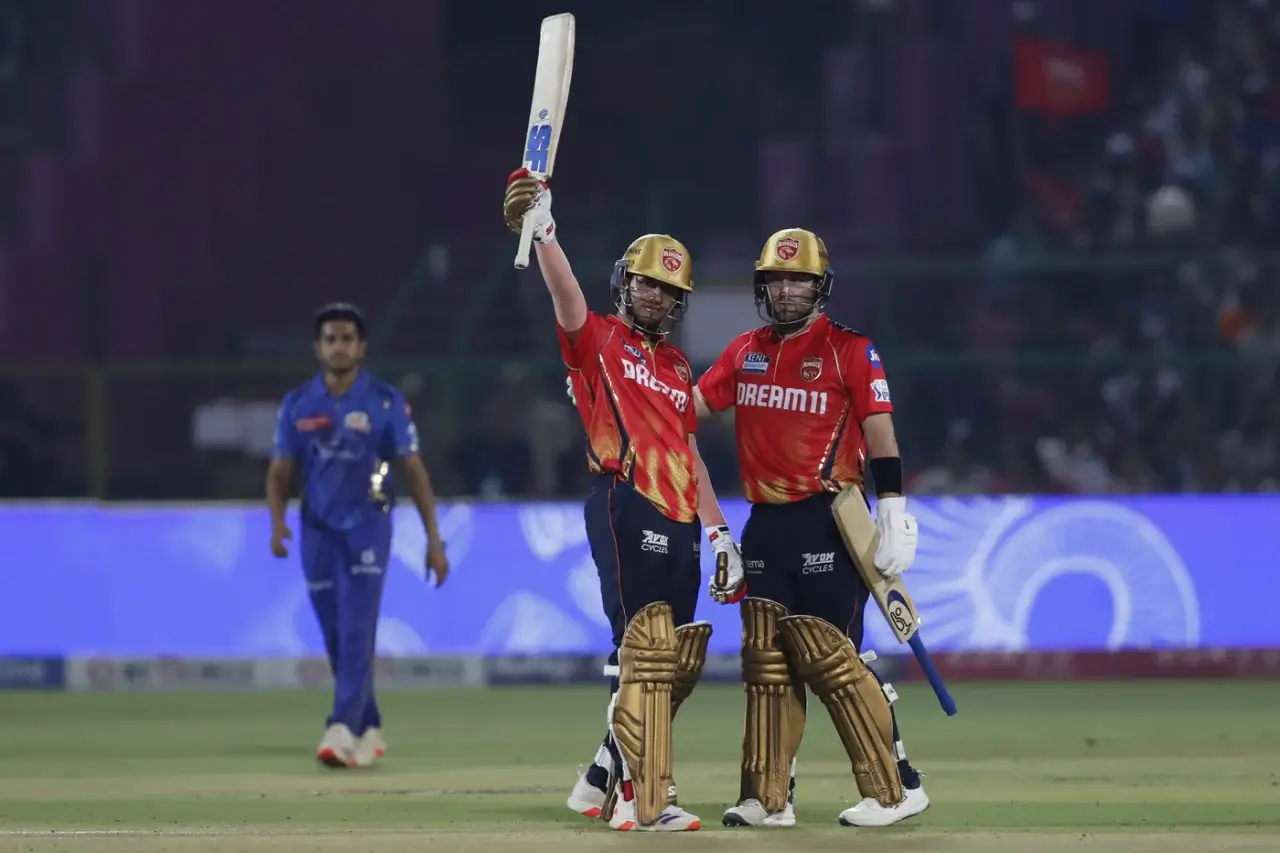
Mumbai and Punjab arrive at this contest carrying very different histories, but similar urgency. One side thrives under pressure and big occasions. The other continues its search for consistency and belief. Whenever these two meet, the game refuses to stay simple.
This is not just another league fixture. It is a clash of temperament. Mumbai trust structure, depth, and late surges. Punjab rely on bursts of brilliance and momentum swings. The questions before this match are not about talent. They are about control, clarity, and execution. Below are the nine defining questions that will shape the match.
Can Mumbai Indians Control the Powerplay With the Ball?
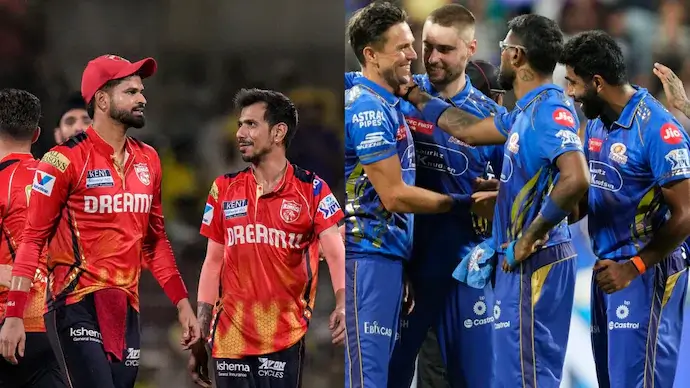
Mumbai’s biggest challenge this season has been powerplay control in PBKS vs MI clash. Their bowling unit has often allowed quick starts, forcing defensive fields too early. Against Punjab, that risk multiplies.
Punjab’s top order plays instinctively. They attack length early and rarely settle. If Mumbai concede momentum in the first six overs, the middle phase becomes reactive rather than planned.
The question is not just wickets. It is run control. Mumbai need dot balls as badly as breakthroughs. Early pressure forces Punjab into risk rather than rhythm.
Mumbai’s strength lies in discipline when plans are clear. When execution slips, they bleed runs quickly. This match will test their preparation and adaptability.
If Mumbai manage early containment, the entire game tilts in their favour.
Will Punjab Kings Finally Build a Stable Batting Template?
Punjab’s batting has always looked dangerous. It has rarely looked settled. The issue is not aggression. It is sequencing. Too often, Punjab peak too early or collapse after strong starts. Against Mumbai, that pattern is fatal.
Punjab need one batter to bat deep. Not flashy. Not rushed. Just controlled. Without that anchor, Mumbai’s bowling thrives in chaos.
The question is whether Punjab trust patience under pressure. If they do, their ceiling rises dramatically. If they don’t, history repeats itself. This match is about maturity, not intent.
How Important Is the Middle-Overs Battle on a Slowing Pitch?
Middle overs decide IPL matches more than powerplays or death overs combined. On slightly used surfaces, this phase becomes decisive.
Mumbai traditionally dominate here through rotation and matchups. Punjab often lose grip by either slowing too much or attacking blindly.
The side that scores at seven to eight runs per over without losing shape will control the match narrative. That requires smart strike rotation and selective boundary-hitting.
Dot balls create pressure. Pressure creates mistakes. The team that manages this phase better will enter the final overs ahead mentally, not just numerically. Expect captains to overthink here. The smarter team will simplify.
Can Mumbai’s Batting Depth Neutralise Punjab’s Strike Bowlers?
Mumbai’s biggest luxury is depth. Their batting order extends confidence well beyond traditional limits. That changes risk calculation completely.
Punjab rely heavily on early breakthroughs. When that fails, their plans loosen. Mumbai know this and often absorb pressure intentionally.
The question is whether Punjab can break through Mumbai’s middle without losing control. If they can’t, Mumbai’s late overs become explosive.
Batting depth is not about power alone. It is about freedom. Mumbai bat with less fear because safety nets exist. Punjab must strike early or suffer late.
Punjab’s death bowling has been inconsistent. At times lethal. At times chaotic. Against Mumbai, margin for error disappears. Yorkers must hit. Slower balls must deceive. Fields must be precise. The pressure here is mental. One bad over can erase fifteen good overs. Punjab bowlers must commit fully to plans without hesitation.
Mumbai are experts at exploiting uncertainty. If bowlers hesitate even slightly, the damage compounds quickly. This phase may decide the result outright.
Which Captain Handles Pressure Decisions Better?
Leadership shapes close matches. Field changes. Bowling rotations. Reviews. Tempo control. Mumbai’s captaincy leans on structure and calm. Punjab’s leadership often reacts emotionally to momentum shifts.
In tight moments, clarity beats creativity. The captain who trusts preparation rather than impulse will win key micro-battles. This match could hinge on two or three decisions. That is where experience speaks loudest.
Conditions can influence strategy heavily. Dew, surface wear, and chasing comfort all matter. Mumbai are comfortable defending or chasing. Punjab often prefers clarity early. A wrong toss call can amplify weaknesses. Captains must read conditions accurately, not emotionally. The toss will not decide the match, but it can shape how pressure unfolds. Smart adaptation matters more than initial advantage.
Who Handles Crowd Pressure Better?
Mumbai thrive in loud environments. It fuels them. Punjab sometimes feel the weight. Crowd energy changes momentum subtly. Fielding intensity rises. Bowlers rush. Batters hesitate. The team that uses noise as fuel rather than distraction will gain invisible advantages throughout the match. Pressure is not equal for both sides.
Beyond points, this game offers belief. For Mumbai, it is about asserting dominance. For Punjab, it is about breaking patterns. A win here could redefine narratives for either team. A loss could deepen existing doubts.
Momentum in IPL is emotional as much as tactical. This match offers a chance to reset or reinforce identity. That is why it matters more than the table suggests.
How Match-Ups Could Quietly Decide the Flow of the Game?
Modern T20 cricket is less about overall strength and more about specific match-ups. This contest between Mumbai and Punjab will quietly turn on those small, targeted battles that often escape casual attention.
Certain batters prefer pace on the ball. Others struggle when angles change. Some bowlers thrive against right-handers but lose control against left-handers. These micro-details shape entire innings without ever making headlines.
Mumbai usually plan deeply for these scenarios. They often hold back overs, shuffle batting positions, and delay match-ups until pressure peaks. Punjab, at times, play more instinctively, which can work brilliantly or backfire completely.
If Punjab’s batters attack their favourable match-ups early, they can disrupt Mumbai’s structure. If Mumbai successfully force unfavourable pairings, the run flow slows without visible drama.
These moments rarely come from one big decision. They accumulate across overs. One delayed over. One extra spinner. One change in angle. By the time the scoreboard reflects it, momentum has already shifted.
Why Fielding Standards Could Create the Hidden Difference
In close matches, fielding often becomes the silent decider. A dropped catch. A misfield. A missed direct hit. These moments rarely feel decisive in isolation but change the emotional tone of the game.
Mumbai traditionally treat fielding as a weapon. They save singles aggressively and turn twos into risks. Punjab’s fielding can swing wildly between sharp and sloppy.
Against a side like Mumbai, even one lapse feels costly. They convert extra chances into runs efficiently. Punjab cannot afford generosity.
Fielding also affects bowlers psychologically. Confidence rises when chances stick. Plans unravel when they don’t.
This match, likely tight until the final overs, will punish casual fielding more than tactical errors. One moment of brilliance or carelessness could tilt everything. Expect intensity here. It may not be flashy, but it will be decisive.
The Role of Game Awareness in High-Pressure Phases
T20 cricket rewards instinct, but it punishes ignorance. Game awareness separates good teams from great ones.
Understanding when to attack and when to pause matters more than raw power. Mumbai excel at reading phases. They know when to absorb pressure and when to release it.
Punjab occasionally misread moments. They either accelerate too early or hesitate too late. Against disciplined opposition, those timing errors compound quickly.
Awareness is not about experience alone. It is about clarity under stress. Batters must know the equation beyond boundaries. Bowlers must understand acceptable risk.
This match will test which side manages emotions better when adrenaline spikes. The team that stays present, not reactive, will control outcomes even if the scoreboard stays tight.
Why This Match Could Shape Team Identity Going Forward?
Some matches do more than offer points. They define who a team believes it is. For Mumbai, this game reinforces expectations. They are judged not on wins alone, but on control. How they handle resistance matters as much as the result.
For Punjab, this match is about narrative. Competing closely is no longer enough. They need closure. They need proof that belief translates into outcomes.
A win here could stabilise confidence. A narrow loss could either motivate growth or deepen frustration. How the team processes the result matters deeply. Identity in long tournaments forms through moments like these. This match will echo beyond the scorecard.