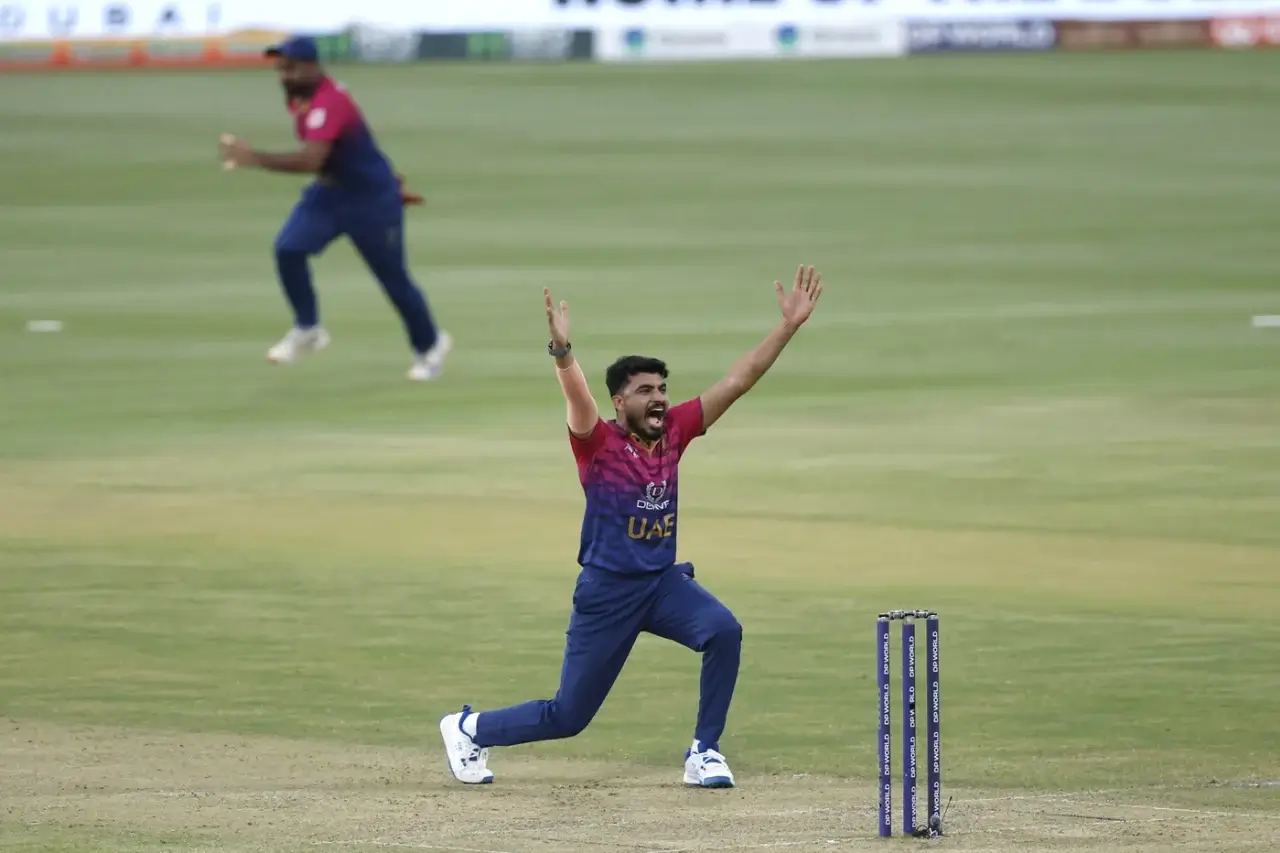
Haider Ali’s cricket journey was never smooth or protected. It was raw, uncertain, and shaped by survival. Born in a small village in Punjab, he grew up with limited resources and fractured family support. Cricket was not a luxury for him. It was an escape route. Like many young boys in Pakistan, he dreamed of wearing the national jersey, but unlike most, he was willing to give up everything for that dream.
His story is not about overnight success or lucky breaks. It is about persistence when doors shut repeatedly. When Pakistan cricket moved on without him, Haider did not quit the game. He changed countries, identities, and expectations. Years later, that same boy who once sold fruits to survive now bowls in the powerplay at a T20 World Cup. This is not just a cricket story. It is about belonging, resilience, and choosing hope over bitterness.
Table of Contents
ToggleHumble Beginnings in Punjab and a Broken Childhood
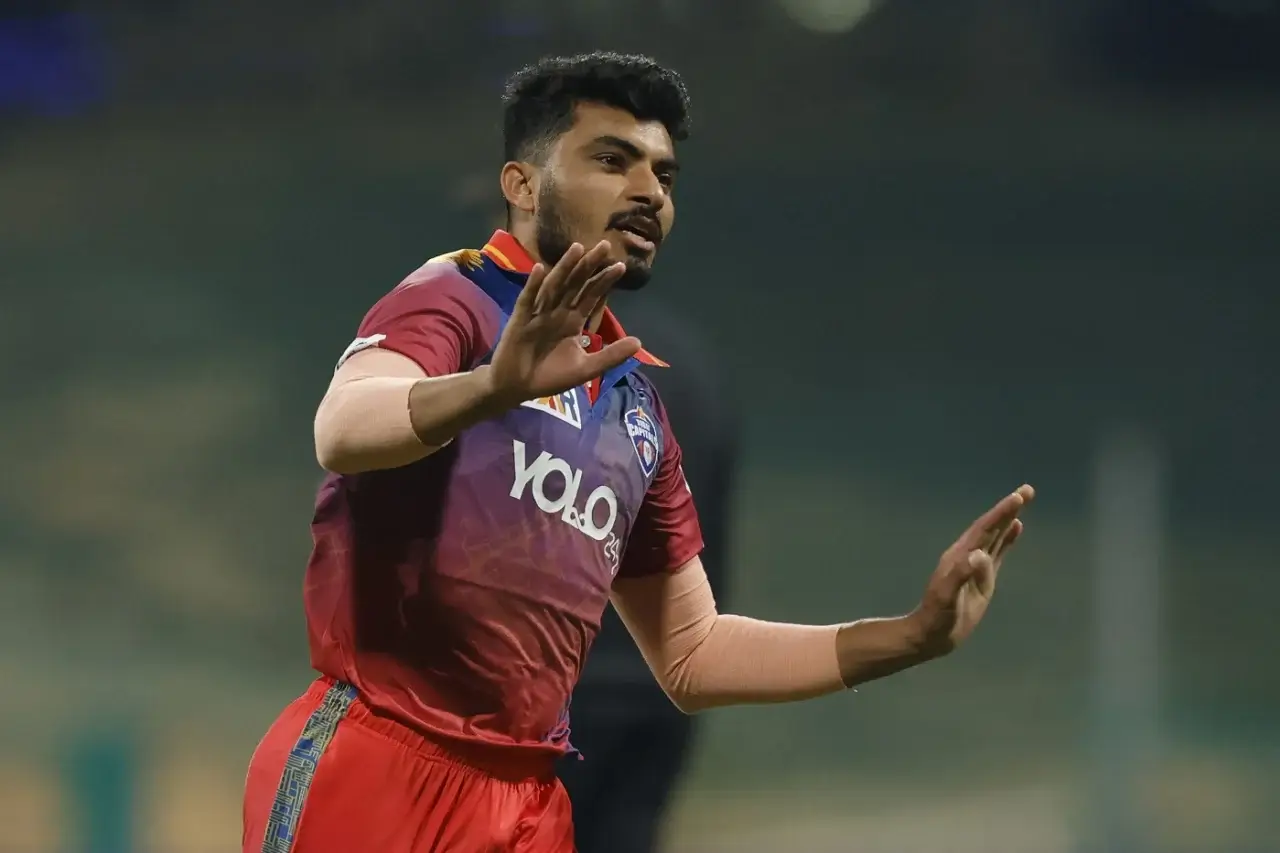
Haider Ali was born in Azmat Shah, a small village in Pakistan’s Punjab. Life was never stable. His parents separated when he was young, and he was adopted by his uncle. That early disruption shaped his mindset. From childhood, Haider learned to adapt quickly and rely on himself.
Cricket became his constant. With limited facilities and no strong backing, he trained wherever space allowed. He did not grow up in academies or structured systems. His learning came from repetition, observation, and instinct. Being a left-arm finger spinner gave him a natural edge, but survival gave him discipline.
As a teenager, Haider understood one thing clearly. If he wanted to play serious cricket, he had to leave his village. Comfort was never an option. Risk was. That decision would define his next decade.
His childhood lacked privilege, but it built mental toughness. That toughness later helped him survive rejection, migration, and reinvention. Long before international cricket noticed him, Haider had already fought harder battles.
Chasing the Pakistan Dream in Lahore
Moving to Lahore was Haider’s first big gamble. He arrived with talent but no financial safety. Life in the city was harsh. He worked night shifts as a waiter and took odd jobs just to afford food and transport. Cricket sessions happened whenever time allowed.
Despite the struggle, Haider broke into Pakistan’s domestic circuit. In 2018, he finally made his first-class debut. For a moment, the dream felt close. He performed well, stayed disciplined, and believed consistency would be rewarded.
Then everything stopped. Selection doors closed without explanation. Opportunities vanished. Like many domestic cricketers, Haider was left in limbo. No clarity. No closure.
Instead of blaming the system publicly, he internalised the setback. He stayed in Lahore, hoping things would change. They did not. The emotional toll was heavy, but he refused to let bitterness define him.
That phase taught him a brutal lesson. Talent alone does not guarantee progress. Survival sometimes demands a new direction.
Pandemic Struggles and Selling Fruits to Survive
The Covid-19 pandemic pushed Haider to his lowest point. Domestic cricket stalled. Jobs disappeared. Savings ran out. For months, survival became the priority over ambition.
To support himself, Haider sold fruits on the streets. It was humbling, exhausting, and mentally draining. Yet he never disconnected from cricket. Even during that phase, he trained whenever possible. He visualised bowling spells instead of giving in to despair.
This period hardened him emotionally. Public failure did not scare him anymore. Pride became secondary to purpose. He understood that dignity lies in effort, not appearances.
Many athletes quit during such phases. Haider stayed connected to the game, even when the game gave him nothing back. That loyalty would eventually be rewarded, just not in the country he first imagined. The pandemic closed one chapter brutally. It also forced Haider to make the bravest decision of his life.
Choosing the UAE and Starting From Zero Again
In 2022, Haider moved to the UAE, not as a cricketer but as a worker chasing stability. Financial security mattered now, especially for his family. Cricket followed later.
Starting again was not easy. New conditions, new systems, new competition. He had no guarantees of national selection. Only a possibility, dependent on residency rules and consistent performances.
Haider committed fully. He played domestic cricket, trained intensely, and waited patiently. The ICC residency requirement meant three long years before eligibility. That waiting period tested his belief more than any selection snub.
Instead of frustration, he used patience as fuel. He learned UAE conditions deeply. Sharjah became familiar territory. Flat pitches, dew, and pressure overs suited his style. By 2025, Haider qualified for UAE selection. He was no longer chasing survival. He was chasing impact.
Instant Impact and the Bangladesh Breakthrough
Haider’s UAE debut series against Bangladesh changed everything. In just his third international game, he delivered a spell that announced his arrival globally. Figures of 4-1-7-3 in Sharjah dismantled a Test-playing nation.
It was not just skill. It was intent. Despite dew, he attacked the stumps. He trusted drift, pace, and angles. Right-hand batters struggled to pick him.
That performance gave UAE their first bilateral series win against a Test nation. For Haider, it was validation. Years of rejection, migration, and sacrifice finally meant something.
The spell also redefined his role. He was not a defensive spinner. He was a powerplay weapon. That identity would later shape his World Cup role.
ILT20 Success and Confidence Among Superstars
The ILT20 transformed Haider’s career trajectory. Playing for Dubai Capitals exposed him to elite dressing rooms. Training alongside global stars built belief.
Haider did not feel overawed for long. Strong performances earned respect. Praise from senior players boosted confidence. His ability to bowl in the powerplay became a key asset.
Statistically, his economy rate in the first six overs was among the best in the league. More importantly, he trusted himself against elite batters. Winning the ILT20 title cemented his growth. He was no longer just a UAE hopeful. He was a proven T20 operator.
That confidence carried directly into international cricket. At 31, Haider enters the T20 World Cup with clarity. He knows his role. Early overs. New ball. Attack mindset.
Bowling in the powerplay requires courage. Margins are small. One mistake can change games. Haider embraces that risk. His inward angle and flat trajectory cramp aggressive openers.
Facing teams like New Zealand does not intimidate him. Experience has replaced fear. Years of struggle have removed mental pressure. For UAE, Haider is not just another spinner. He is a strategic weapon.
Belonging, Gratitude, and a Fighter’s Identity
Haider speaks often about gratitude. UAE gave him respect, structure, and belief. He plays for the badge with pride.
Guidance from coaches and former players sharpened his game. But the mindset came from survival. He identifies as a fighter, not a prodigy. His journey reflects modern cricket’s reality. Talent travels. Opportunity matters. Persistence defines careers.
At the World Cup, Haider represents more than UAE. He represents second chances. Haider Ali’s rise is not about changing teams. It is about refusing to disappear. From selling fruits to bowling on the world stage, his journey carries quiet power.
Not every dream comes true the way we imagine. Some arrive wearing different colours. Haider accepted that. And in doing so, found something even bigger than his original dream.