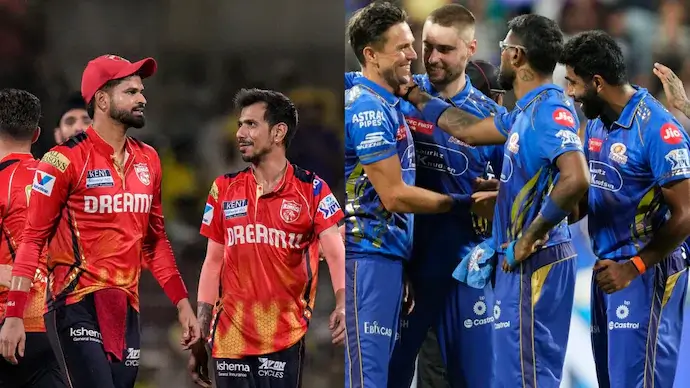
On paper, this fixture should be straightforward. One side is a five-time champion built on systems and calm. The other is a franchise known for explosive talent and unpredictability. Yet when Punjab Kings face Mumbai Indians, logic rarely survives the full 40 overs.
This rivalry has developed a strange rhythm over the years. Punjab often begins better. They score faster in the power play. They hit more early boundaries and look in control in Mumbai vs Punjab matches. Mumbai, however, usually finish stronger. They absorb pressure, slow the game, and close matches with unnerving precision.
This article breaks down why that pattern exists, where games actually turn, and how this matchup has become one of the IPL’s most misunderstood tactical contests.
Why PBKS vs MI Is Never About the Powerplay?

Most T20 previews obsess over the first six overs. In this matchup, that approach is misleading. Punjab Kings have consistently matched or outperformed Mumbai Indians in powerplay scoring across multiple seasons. But this early dominance rarely decides the result.
Mumbai Indians are comfortable conceding early momentum. Their philosophy accepts short-term damage to control long-term outcomes. They trust their structure beyond the powerplay. Punjab, by contrast, often feel pressure to capitalize fully while the advantage exists.
This difference creates a psychological imbalance. When Punjab exit the powerplay without decisive separation, urgency creeps in. Shot selection tightens. Risk increases earlier than required.
Mumbai thrive in that space. Their bowlers rarely chase wickets in the powerplay at all costs. Instead, they focus on denying easy rhythm. Hard lengths. Defensive fields. A willingness to absorb boundaries without panicking.
The real battle begins once the field spreads. Punjab’s run rate often dips between overs 7 and 12, not because of bowling brilliance alone, but because intent clashes with patience. Mumbai read that dip well. They sense hesitation.
This matchup is not decided by who starts faster. It is decided by who is more comfortable slowing down without losing clarity. And historically, Mumbai have mastered that art better than Punjab.
The Middle-Overs Trap That Punjab Keep Falling Into
Overs 7 to 15 are where this rivalry tilts. Punjab often enter this phase with momentum. But momentum is fragile without structure.
Punjab’s middle overs frequently expose a dilemma. Should they consolidate and preserve wickets, or should they attack before the death overs arrive? Too often, they attempt both simultaneously.
This leads to half-committed shots. Rotational batting stalls. Boundaries dry up. Dot balls increase. The pressure Punjab created early begins to rebound.
Mumbai design their bowling plans specifically for this phase. They use pace variations, wide lines, and defensive boundary riders. Their goal is not immediate wickets. It is discomfort.
Once Punjab’s batters feel they are “behind” the game, mistakes follow. Big shots arrive against unfavorable matchups. Wickets fall in clusters.
Mumbai’s greatest strength here is emotional discipline. They do not react to scoreboard pressure. They react to body language. When they sense frustration, they tighten the noose. This is where many PBKS vs MI games quietly slip away. Not with drama, but with suffocation.
Mumbai Indians’ Comfort Zone at 7.5 Runs Per Over
Mumbai Indians are uniquely comfortable chasing or defending at moderate run rates. A required rate of 7.5 does not alarm them. It calms them.
This comfort is cultural. Their batting line-ups are built to scale, not explode. Punjab, however, often treat the same rate as danger. They feel the need to accelerate earlier. That difference shapes decision-making. Mumbai’s batters are content taking singles, rotating strike, and waiting for favorable bowlers. They understand that pressure transfers naturally if wickets remain intact.
This patience frustrates Punjab’s bowlers. Plans get abandoned. Yorkers turn into slot balls. Defensive overs become release points. Mumbai rarely win PBKS games in one over. They win them across five overs of controlled accumulation. The scoreboard rarely tells the full story until it is too late.
Death Overs: Where Experience Always Wins
The final five overs reveal the clearest contrast between these teams. Mumbai Indians treat death overs as a resource. Punjab often treat them as a rescue mission.
Mumbai’s death batting is layered. They preserve wickets for a reason. They plan finishing roles well in advance. Their hitters arrive with clarity, not panic. Punjab’s death overs are often shaped by what went wrong earlier. Too many wickets lost. Too much pressure carried forward.
Bowling tells a similar story. Mumbai back their death bowlers even after expensive spells. Punjab rotate, rethink, and sometimes overcorrect. Under pressure, familiarity matters. Mumbai have played more close finishes than most franchises. Their players have lived inside that tension.
Punjab, despite talent, have not built the same collective memory of closing games calmly. In tight finishes, history whispers. Mumbai listen. Punjab often rush.
Why Momentum Lies More Than It Reveals?
Mumbai Indians win the invisible battles. Dot balls. Soft singles. Fielding intensity. Calm huddles. Momentum in this rivalry is deceptive. It belongs to the team that needs it less. Mumbai do not chase momentum. They create inevitability. Punjab often chase inevitability. That is the difference.
PBKS vs MI games are often decided by subtle captaincy calls. A delayed bowling change. A defensive field for one over too long. A matchup ignored.
Mumbai’s captains historically trust process over instinct. Punjab often trust instinct over process. In high-pressure moments, that difference compounds.
Fielding: The Silent Separator
Mumbai’s fielding rarely grabs headlines. It quietly saves 10–15 runs every game. That margin matters. Punjab’s athleticism is high. Their consistency is not always. In close contests, those runs are decisive.
Patterns persist because habits persist. Until Punjab grow comfortable slowing games without fear, Mumbai will retain the edge. Talent alone will not flip this rivalry. Temperament will. Punjab do not need to become Mumbai. They need to trust time. If they learn to value control over urgency, this rivalry finally shifts. Until then, PBKS vs MI will remain a matchup where starts mislead — and finishes decide.