PBKS vs Mumbai Indians games often reveal their ending in the first six overs. Not through score alone, but through intent. Powerplay is where both teams reveal philosophy. Punjab seek momentum. Mumbai seek stability. That contrast shapes everything that follows.
Punjab’s openers are encouraged to attack early. Boundaries matter. Fielding restrictions are opportunities. Mumbai’s openers approach powerplay differently. They value wicket preservation. They aim for access, not dominance. This difference creates early narrative tension.
When Punjab succeed early, games open up. But when wickets fall, pressure multiplies quickly. Mumbai’s approach absorbs early setbacks better. A quiet powerplay does not panic them. It simply delays acceleration.
The opening overs therefore become a mental contest. Who dictates terms. Who reacts. Who resists temptation. The scoreboard might look similar after six overs. The psychological position rarely is.
Priyansh Arya: Punjab’s Momentum Trigger
Priyansh Arya represents Punjab’s desire to strike first. His role is not just to score. It is to set tone. Early boundaries stretch fields. They force captains to defend. That gives Punjab perceived control.
Arya’s strength lies in clean hitting against pace. In powerplay, that matters. But against Mumbai, that aggression carries risk. Mumbai plan for his shots. They accept boundaries if wickets are in play.
When Arya connects, Punjab’s middle order plays with freedom. When he falls early, the innings tightens instantly. That dependence increases pressure on his partner. In close contests, reliance becomes vulnerability. Arya’s success against Mumbai often determines whether Punjab dictate tempo or chase it.
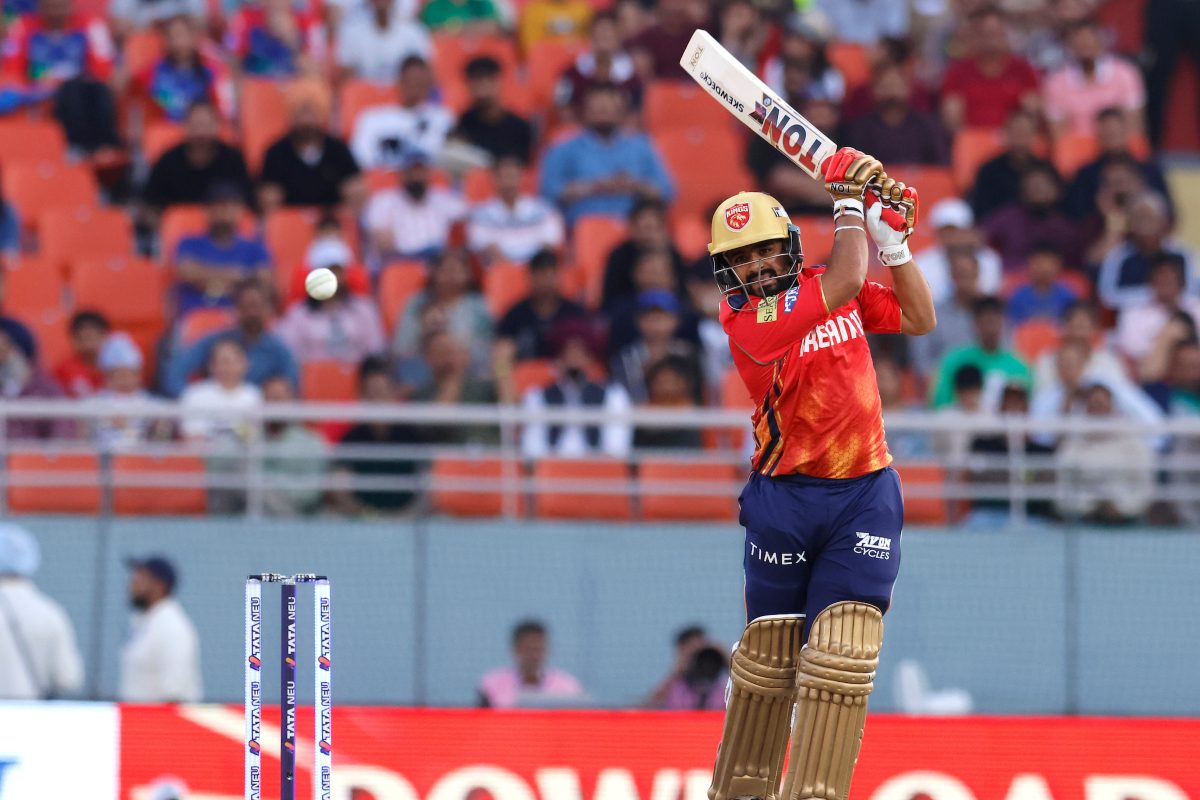
Prabhsimran Singh and the Risk–Reward Balance
Prabhsimran Singh brings intent from ball one. His natural game is expansive. Against Mumbai, that bravery is both a weapon and a weakness.
Mumbai bowlers test his patience. They bowl wide lines. They tempt drives early. When Prabhsimran resists, Punjab’s innings stabilises beautifully. When he attacks too soon, Mumbai gain early leverage.
The key issue is sequencing. Prabhsimran thrives when he accelerates after security. Mumbai try to deny him that comfort. This cat-and-mouse defines many PBKS powerplays. Punjab’s challenge is not to dull his aggression. It is time to do better. Against Mumbai, timing beats fearlessness.
Rohit Sharma’s Quiet Control of Powerplay
Rohit Sharma does not dominate Punjab early with force. He dominates with calm. His power play value lies in decision-making.
Rohit understands that Punjab seek momentum. He denies it by rotating strike. He avoids high-risk shots early. He frustrates bowlers into overpitching later.
Against Punjab, Rohit often leaves the powerplay intact. That alone shifts pressure. Bowlers feel unfinished. Captains feel restless. That subtle control shapes Mumbai’s innings depth.
His role is not flashy. It is foundational. And against Punjab, foundations matter more than fireworks.
Ryan Rickelton’s Role as the Pressure Absorber
Ryan Rickelton complements Rohit perfectly. Where Rohit controls pace, Rickelton absorbs pressure. Punjab often attack him with swing or short lengths. Rickelton’s discipline blunts that plan. He plays late. He accepts dots. That patience frustrates Punjab’s search for early breakthroughs.
Rickelton’s success allows Mumbai to delay risk. That delay becomes decisive later. When wickets are preserved, Mumbai’s middle order plays freely. Punjab’s bowlers feel squeezed.
Rickelton does not win matches in the powerplay. He prevents Punjab from winning them there.
When Punjab Win the Powerplay but Lose the Match?
This is the rivalry’s most recurring paradox. Punjab often “win” the powerplay on paper. More runs. More boundaries. Yet outcomes tilt Mumbai’s way.
The reason lies in energy expenditure. Punjab spend emotional energy early. Mumbai conserve it. Over 20 overs, conservation outlasts expenditure.
Winning the powerplay is only valuable if wickets remain intact and plans stay flexible. Punjab sometimes win the phase but lose control of the innings. Mumbai often lose the phase but gain control of decisions. That is why powerplay dominance alone does not translate into results in this matchup.
Mumbai bowl to Punjab openers with dismissal as priority. Punjab bowl to Mumbai openers with containment as priority. That difference matters.
Attacking plans carry higher variance. When they work, Punjab surge. When they fail, Mumbai escape. Mumbai’s safer plans rarely collapse. In even contests, low variance strategies survive longer. That is why Mumbai’s approach consistently pays off late.
Openers as Narrative Setters for Middle Overs
The opening partnership determines how middle overs are played. Punjab want momentum-driven middle overs. Mumbai want stability-driven middle overs.
Openers decide which path becomes available. That is why their role goes beyond runs. They decide tempo inheritance. Squads will change. Bowlers will rotate. Venues will vary. But the rivalry will still open in the same place.
The first six overs decide who controls fear. Punjab seek to seize it. Mumbai seek to remove it. Until Punjab learn to protect calm as fiercely as they chase momentum, the opener battle will keep shaping the result. This rivalry begins before it explodes. It begins quietly. With openers.