• About Us
  • Terms & Conditions
  • Privacy Policy
Wednesday, February 4, 2026
  • Stadiums
  • Stadium Records
  • Stadium Specials
  • Stadium Records
  • Indian Team
  • Cricket Updates
  • IPL 2025
  • Womens Cricket
No Result
View All Result
Cricket Stadium
  • Stadiums
  • Stadium Records
  • Stadium Specials
  • Stadium Records
  • Indian Team
  • Cricket Updates
  • IPL 2025
  • Womens Cricket
No Result
View All Result
Cricket Stadium
No Result
View All Result
Home Cricket Updates

Bangladesh Outclass Zimbabwe to Close U19 World Cup Strong

Sandra Wills by Sandra Wills
02/02/2026
in Cricket Updates
0 0
0
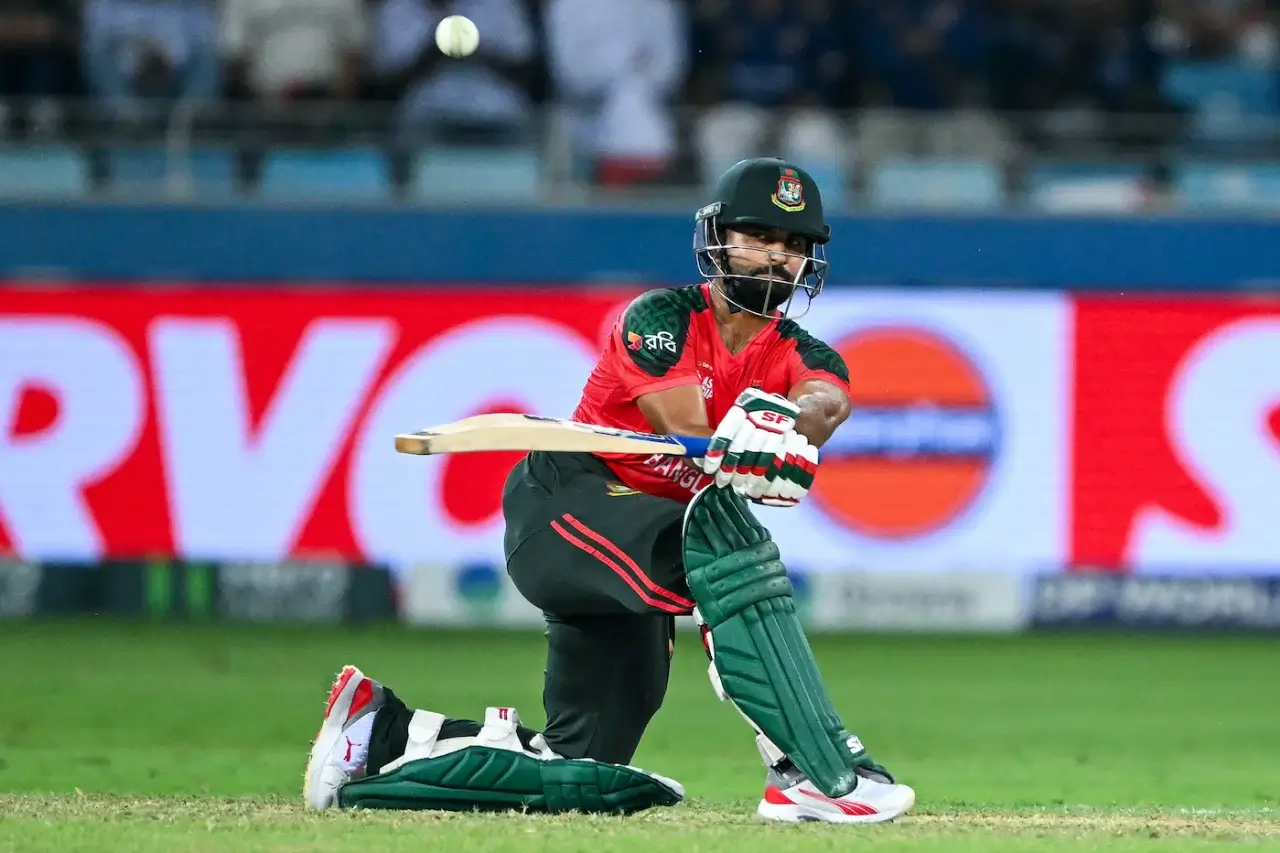
Pakistan vs Bangladesh
Share on FacebookShare on Twitter

The final Super Six match between Bangladesh U19 and Zimbabwe U19 was never about qualification. It was about closure. Bangladesh wanted to leave the tournament with authority. Zimbabwe wanted one performance to justify their presence in the Super Six.

What unfolded was a lesson in control. Bangladesh never rushed. Zimbabwe never recovered. The 74-run margin reflected not dominance through aggression, but dominance through discipline.

Bangladesh paced their innings, absorbed pressure, and trusted execution. Zimbabwe, by contrast, were repeatedly forced into catch-up mode. Early wickets broke rhythm. Middle-over stagnation killed belief.

This article breaks down the match through nine analytical lenses — batting intent, recovery phases, bowling pressure, leadership responses, and what this result truly says about both teams’ U19 journeys.

Table of Contents

Toggle
  • Bangladesh’s Innings Began With Intent But Quickly Turned Cautious
  • The Hakim Tamim–Rizan Partnership Restored Balance
  • Bangladesh Missed the Finish But Still Reached Safety
    • Zimbabwe’s Chase Collapsed Inside the Powerplay
  • Mudzengerere’s Resistance Could Not Alter the Narrative
    • Bangladesh’s Bowling Was About Patience, Not Pace
  • Why Zimbabwe’s Tournament Ended Without Momentum?
  • What This Match Says About Bangladesh’s U19 Direction?
  • Why Bangladesh’s Middle-Overs Discipline Decided the Match Early
    • Zimbabwe’s Batting Struggles Reveal Structural Youth-Level Gaps
  • Captaincy Contrast Showed Bangladesh’s Composure Advantage
    • What This Result Means For Bangladesh’s Long-Term U19 Pathway?

Bangladesh’s Innings Began With Intent But Quickly Turned Cautious

bangladesh

Bangladesh started with positive intent. Early boundaries suggested freedom. But once the initial aggression faded, the innings slowed sharply. That slowdown was not accidental. It reflected respect for conditions.

After the early dismissal of MD Rifat Beg, Bangladesh chose preservation over risk. Stroke-making reduced. Singles became currency. Zimbabwe’s bowlers were allowed to settle, but not dominate.

By the 21st over, Bangladesh sat at 80/3. On paper, that looked underwhelming. In reality, it was survival mode. The pitch demanded patience. Bangladesh recognised that early.

This phase prevented collapse. It also laid the foundation for controlled acceleration later. Rather than chase an arbitrary par score, Bangladesh trusted their batting depth.

Such awareness often separates teams that understand conditions from those that merely react to them.

The Hakim Tamim–Rizan Partnership Restored Balance

The innings found direction once Azizul Hakim Tamim joined Md Rizan Hossan. The partnership was not flashy. It was functional.

They rotated strike efficiently. Boundaries were selective. Zimbabwe’s bowlers lost the chance to tighten screws.

This stand did not just add runs. It restored momentum. It reintroduced belief inside the Bangladesh camp.

Tamim’s leadership was visible. He absorbed pressure. He dictated tempo. Rizan complemented him by refusing risky shots.

The partnership’s true value lay in timing. It arrived exactly when Bangladesh risked drifting into irrelevance.

At youth level, partnerships often decide matches more than individual brilliance. This one tilted the game.

Bangladesh Missed the Finish But Still Reached Safety

Once Tamim departed, Bangladesh briefly lost clarity. Wickets fell in clusters. Zimbabwe sensed opportunity.

The innings threatened to stall below a competitive total. At that stage, composure mattered more than power.

A late cameo from Al Fahad ensured Bangladesh crossed 250. That threshold mattered psychologically.

Zimbabwe had bowled well in patches. But the inability to shut down the tail cost them.

Bangladesh’s 253 was not intimidating. It was defendable. And that was enough.

Zimbabwe’s Chase Collapsed Inside the Powerplay

The chase ended early, even if wickets fell later. Once Iqbal Hossain Emon struck with the new ball, Zimbabwe lost belief.

Early wickets forced desperation. Shot selection worsened. Footwork froze.

By 42/4, Zimbabwe were chasing hope, not runs.

Home advantage meant nothing under scoreboard pressure. Bangladesh’s bowlers stayed disciplined. Fields tightened. Mistakes followed.

In youth cricket, early damage often becomes terminal. This chase followed that pattern brutally.

Mudzengerere’s Resistance Could Not Alter the Narrative

Zimbabwe captain Simbarashe Mudzengerere fought hard. His half-century showed intent and courage.

But leadership alone cannot carry a chase. Partners fell quickly. Pressure mounted.

Bangladesh refused to chase his wicket. They waited. Eventually, he fell as the ninth dismissal.

His innings deserves recognition. But it also highlighted Zimbabwe’s isolation problem. One batter standing is not a strategy.

Support systems win matches. Zimbabwe lacked them consistently.

Bangladesh’s Bowling Was About Patience, Not Pace

Bangladesh did not bowl fast. They bowled accurately. Iqbal Hossain’s five-wicket haul came from discipline. Lines were repeated. Lengths adjusted subtly. Support bowlers maintained pressure. Zimbabwe never found release overs.

This bowling performance reflected preparation. Plans were clear. Execution followed. Clinical bowling does not require magic. It requires trust in process. Bangladesh showed that maturity.

Why Zimbabwe’s Tournament Ended Without Momentum?

Zimbabwe’s winless campaign was not due to lack of effort. It was due to inconsistency.

They reached the Super Six through net run rate, not victories. That fragile foundation eventually collapsed.

Batting failed under pressure repeatedly. Bowling lacked sustained threat. Fielding moments did not convert into momentum.

Co-hosting raised expectations. Execution failed to meet them.

This tournament exposed structural gaps Zimbabwe must address.

What This Match Says About Bangladesh’s U19 Direction?

Bangladesh will not remember this World Cup for trophies. They will remember it for growth. This match showed control, patience, and leadership maturity.

Finishing above New Zealand in Super Six standings validated progress. Most importantly, Bangladesh left with identity intact. In youth cricket, that matters more than medals.

Bangladesh’s win over Zimbabwe was not explosive. It was exact. Zimbabwe’s campaign ended quietly. Bangladesh’s ended with assurance. That difference defines competitive cricket. Clinical teams finish strong. Learning teams finish searching.

Why Bangladesh’s Middle-Overs Discipline Decided the Match Early

The match was not decided in the powerplay or at the death. It was decided quietly in the middle overs. Bangladesh understood that once early wickets fell, Zimbabwe’s biggest threat would be chaos, not calculation. Their response was discipline.

From overs 15 to 35, Bangladesh removed risk from the game. Bowlers did not chase magic deliveries. They bowled into safe channels. Fields were conservative but purposeful. Singles were allowed. Boundaries were denied.

This phase starved Zimbabwe of momentum. Youth teams often rely on one big over to reset belief. Bangladesh never allowed that over to exist. Every spell followed the same script. Tight lines. Subtle pace changes. Constant scoreboard pressure.

What stood out was patience. Even when Simbarashe Mudzengerere found rhythm, Bangladesh did not panic. They trusted containment. They waited for fatigue and frustration to do the work.

This approach reflects maturity. Many U19 sides over-attack once wickets fall. Bangladesh resisted that instinct. They treated the middle overs as a long negotiation rather than a battlefield.

By the time Zimbabwe entered the final third of the chase, the asking rate had ballooned beyond reach. The collapse that followed was inevitable, not sudden.

Middle-overs control is rarely celebrated. But in this match, it was decisive. Bangladesh won the game long before the final wicket fell.

Zimbabwe’s Batting Struggles Reveal Structural Youth-Level Gaps

Zimbabwe’s collapse was not a one-off failure. It reflected recurring issues that surfaced throughout the tournament. The batting lacked layers. Once the top order failed, recovery plans disappeared.

Shot selection under pressure remained a concern. Batters either defended excessively or attacked recklessly. There was little middle ground. That imbalance often comes from insufficient match-scenario exposure at youth level.

Another issue was strike rotation. Zimbabwe struggled to convert singles consistently. Dot-ball pressure mounted quickly. Once frustration set in, risky strokes followed. The absence of stable partnerships hurt most. Outside the captain’s resistance, no batter stayed long enough to shift momentum. That isolation placed unfair burden on leadership.

Zimbabwe’s bowlers had kept them competitive earlier in the tournament. The batters failed to complement that effort consistently. Being co-hosts added expectation. That pressure magnified weaknesses. Confidence dipped early and never recovered.

For Zimbabwe Cricket, this campaign should act as diagnostic feedback. Talent exists. But structural support, match exposure, and batting depth require urgent attention. Winless campaigns hurt. But they also clarify priorities. Zimbabwe now have clarity.

Captaincy Contrast Showed Bangladesh’s Composure Advantage

Leadership often reveals itself most clearly when things slow down. This match highlighted the contrast in captaincy styles.

Bangladesh’s captain operated with restraint. Decisions were delayed until certainty emerged. Bowling changes followed patterns. Fields evolved gradually.

Zimbabwe’s captain was forced into reaction. Early wickets created urgency. Field changes came faster. Bowling rotations tightened. Neither approach reflects ability. It reflects circumstance. Bangladesh’s captain had resources and control. Zimbabwe’s captain had responsibility without support.

The key difference lay in emotional temperature. Bangladesh stayed neutral. Zimbabwe oscillated between hope and frustration. In youth cricket, emotional management often outweighs tactical brilliance. Bangladesh managed theirs better.

That composure filtered through the team. Fielders stayed sharp. Bowlers stayed patient. Errors did not spiral. Captaincy did not win Bangladesh the match alone. But it ensured they never lost control of it.

What This Result Means For Bangladesh’s Long-Term U19 Pathway?

This win will not define Bangladesh’s U19 World Cup history. But it will inform their pathway thinking. The performance showed that Bangladesh can win without dominance. That is an important skill. Not every match allows flair. Some demand restraint. The ability to adapt tempo, protect resources, and close games clinically suggests developmental progress.

For selectors, this match reinforces the value of discipline-focused training. For coaches, it validates patience-based game plans. For players, it offers belief that structure works at international youth level.

Bangladesh did not rely on one star. Contributions were spread. Responsibility rotated. That balance bodes well for transition into senior levels. Youth cricket is about habits. Bangladesh displayed good ones here. Results fade. Habits last.


Sandra Wills

Sandra Wills

Next Post
pbks vs mi ipl team

PBKS vs Mumbai Indians: Why Close Matches Always Slip Late?

shreyas iyer PBKS

PBKS vs Mumbai Indians: Why Control Always Beats Intent in the IPL?

02/03/2026
Indian Players went off with pride

Why This Indian Team Is Poised to Redefine T20 World Cup History?

02/03/2026
shivam dube indian team

Why India’s Six-Hitting Machine Makes Them T20 World Cup Favourites?

02/03/2026

About Us

Stay updated with the latest news from cricket stadiums around the globe. From the iconic Mecca of Cricket to the high-scoring battlegrounds.

Whether it’s world-class cricket or local tournaments. We bring you all the exciting updates every cricket fan needs to know.

Categories

Disclaimer For Users

Some links on this website lead to "International Gambling Platforms". We do not promote or facilitate Gambling in India. All content is intended for users outside India.

Contact Us

We value your thoughts and are always ready to assist you with any questions or support you may need. We look forward to hearing from you!

For inquiries, suggestions, or feedback, feel free to reach out to us at ab9599223@gmail.com.

Recent News

shreyas iyer PBKS

PBKS vs Mumbai Indians: Why Control Always Beats Intent in the IPL?

02/03/2026
Indian Players went off with pride

Why This Indian Team Is Poised to Redefine T20 World Cup History?

02/03/2026

Disclaimer : Gambling Is Banned in India. We do not Promote Gambling for the Indian Users. | All Right Reserved | © 2025

No Result
View All Result
  • Stadiums
  • Stadium Records
  • Stadium Specials
  • Stadium Records
  • Indian Team
  • Cricket Updates
  • IPL 2025
  • Womens Cricket

Disclaimer : Gambling Is Banned in India. We do not Promote Gambling for the Indian Users. | All Right Reserved | © 2025

Welcome Back!

Login to your account below

Forgotten Password?

Retrieve your password

Please enter your username or email address to reset your password.

Log In