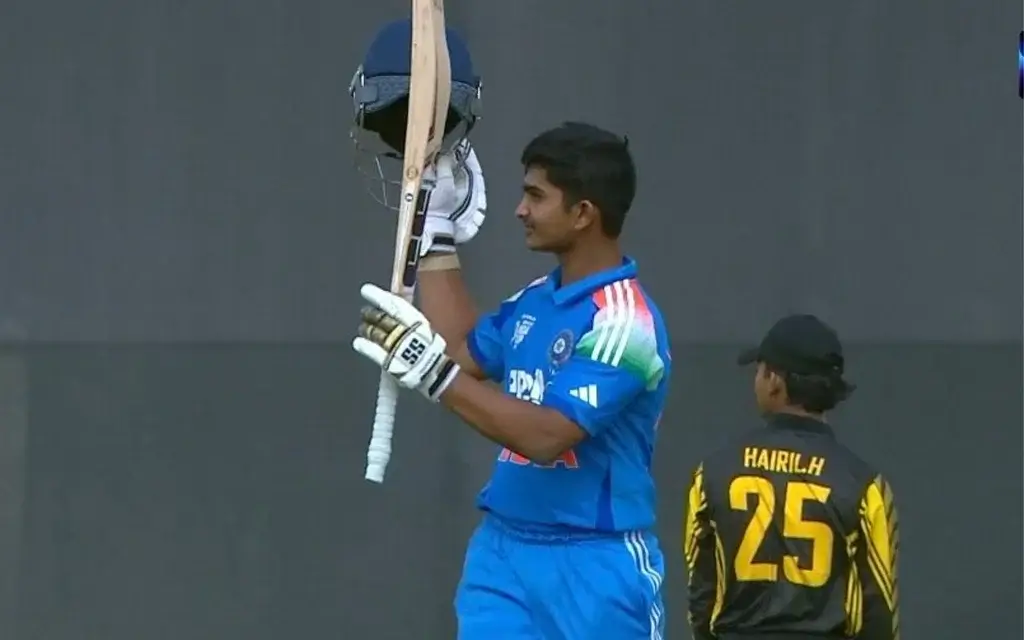
Every city creates a default future for its children. In Navi Mumbai, that future has traditionally leaned toward classrooms, degrees, and predictable careers. Cricket, when it appeared, was usually a hobby meant to end early. Into this environment stepped Abhigyan Kundu, a boy who chose repetition over reassurance and uncertainty over comfort.
His rise is not a miracle story. It is a study in defiance against social patterns. It is also a rare example of what happens when a coach refuses to accept local limitations and a family refuses to pull the plug when the road gets uncomfortable.
Kundu’s journey matters because it breaks a cycle. It shows that elite cricketing ambition can exist outside Mumbai’s traditional nurseries. It proves that obsessive preparation still has value in an era of shortcuts.
This article explores that journey through nine lenses — city, coach, family, grind, method, sacrifice, leadership, giving back, and the quiet pressure that still follows him.
Navi Mumbai’s Academic Gravity And The Absence Of Sporting Dreams
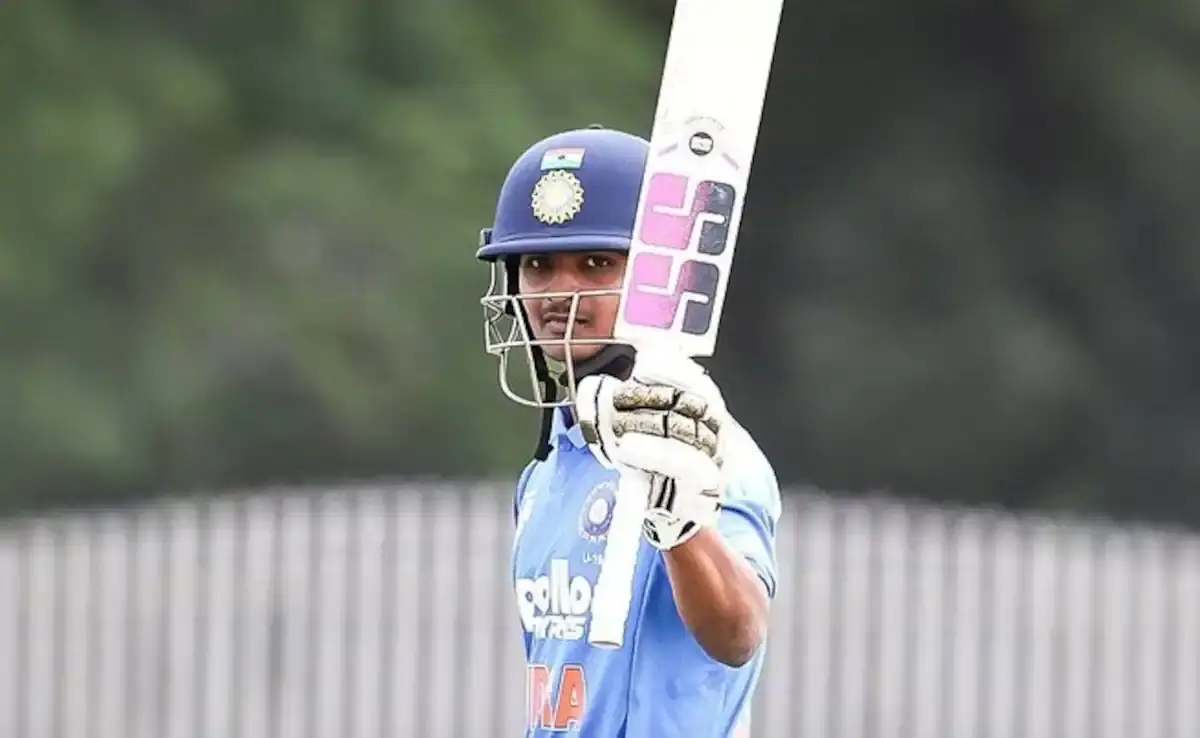
Navi Mumbai was built with efficiency in mind, not romance. It was designed to decongest Mumbai, not to replicate its sporting culture. Over the decades, the city developed a predictable rhythm. Children studied hard. Parents planned safe futures. Sports rarely crossed the line from activity to ambition to maintain the timeline.
This environment shaped expectations early. Cricket academies existed, but serious dreams were scarce. Many promising players treated the sport as a temporary pursuit. Once academic pressure increased, cricket quietly disappeared.
For coaches, this reality created frustration. Talent appeared briefly, then vanished. Ambition rarely survived adolescence. Navi Mumbai became known more for producing engineers than athletes.
This background is essential to understanding Abhigyan Kundu. His story is not just about personal excellence. It is about resisting a city’s gravitational pull toward safety.
Choosing cricket seriously in Navi Mumbai meant choosing uncertainty repeatedly. It meant pushing against parental fear, societal judgment, and the absence of role models. Kundu’s journey began inside this resistance, not outside it.
Chetan Jadhav’s Desperation To Find One Serious Cricketer
When Chetan Jadhav first met Abhigyan, his hope was mixed with fear. He had seen this story before. Talented boys. Supportive beginnings. Abrupt endings.
Jadhav’s past shaped his scepticism. Years of coaching in Navi Mumbai had taught him a harsh truth. Most families eventually choose academics. Coaches become babysitters. Dreams become distractions.
His declaration that day was not prophecy. It was a challenge. A challenge to the child. A challenge to the parents. A challenge to himself.
Jadhav had trained under Ramakant Achrekar, in an environment where ambition was non-negotiable. That intensity felt absent in Navi Mumbai. Finding one child willing to endure it became personal. Abhigyan represented a final gamble. If this boy also left, the pattern would win again.
Family Trust Became The First Real Selection Test
Abhigyan’s parents did not come from cricket. They came from education. That made their decision harder and braver.
Allowing long training hours meant accepting uncertainty. It meant watching their child struggle physically and mentally. It meant resisting social pressure that questioned priorities.
Once they committed, they did not interfere. That trust gave Jadhav freedom. Freedom to demand volume. Freedom to enforce discipline. Freedom to make cricket non-negotiable. Many young careers end because families hesitate. Abhigyan’s survived because his did not.
Training Volume Became The Foundation Of Everything
What separated Abhigyan early was not elegance. It was volume. Thousands of balls daily. Endless repetition. Physical discomfort accepted as routine.
This training was not glamorous. It was monotonous. It tested patience more than skill. But it created something rare — comfort inside repetition.
While others chased highlights, Abhigyan chased muscle memory. While peers trained for sessions, he trained for exhaustion. Volume created clarity. Clarity created confidence. Confidence created dominance at age-group levels.
Why Batting, Not Wicketkeeping, Defined His Career?
Like his coach, Abhigyan began as a wicketkeeper. But his bat refused to stay secondary. Scores piled up relentlessly. Big scores. Repeated scores.
By fourteen, his numbers were no longer normal. They were disruptive. They demanded attention.
At that point, role clarity mattered. Jadhav chose impact over tradition. Abhigyan chose runs over versatility. That decision accelerated everything.
Age-Group Cricket Confirmed He Was Not Ordinary
Mumbai Under-16 selection validated years of isolation. Performances against elite peers confirmed belief. Tours, captaincy, and leadership followed. Not because of politics. Because of weight of runs.
At youth international level, Abhigyan did not adapt. He imposed. Strike rates rose. Responsibility increased. Records followed. This phase proved that preparation scaled.
Success changed Abhigyan’s relationship with his academy. He stopped being just a student. He became a contributor. Equipment. Sponsorships. Support for younger players. These actions were not symbolic. They were structural. His success expanded opportunity for others. That may become his most lasting impact.
The Pressure That Still Follows Him Everywhere
Despite accolades, Abhigyan’s world remains heavy. Expectations grow. Comparisons follow. Boards loom.
The grind never fully relaxes. Elite sport rarely allows pause.
What separates him now is not talent. It is balance. Between ambition and sanity. Between responsibility and youth. His story is still being written. But its foundation is already rare. Abhigyan Kundu’s rise is not accidental. It is architectural. Built brick by brick through trust, volume, and defiance of norms.
In a city that prepared him for stability, he chose uncertainty. In a system that rewards shortcuts, he chose repetition. That choice may define Indian cricket’s future more than any single innings ever will.