


India’s practice sessions in Dubai did not chase intensity or noise. They chased clarity. Every drill carried meaning. Every pause hinted at hierarchy. The nets were less about form and more about order. Coaches watched who batted first, not who batted longest. Bowlers were paired with intent, not rotation. Fielding groups were separated with quiet purpose.
The outside noise focused on names and fan calls. Inside the ropes, the management focused on roles. Who trained centrally mattered. Who waited also mattered. These sessions acted like silent press conferences. No statements were issued, yet decisions were clearly forming.
Dubai’s conditions forced India to think differently. Slow surfaces demand planning, not power. The staff responded by structuring sessions tightly. There was no randomness in the schedule. Each phase reflected trust levels. Each pairing revealed current priorities.
This article breaks down what those sessions truly signaled. Not speculation. Not hype. Just patterns, placement, and preparation that point to India’s real thinking.
Batting Order Signals Were Clear From Net Allocation
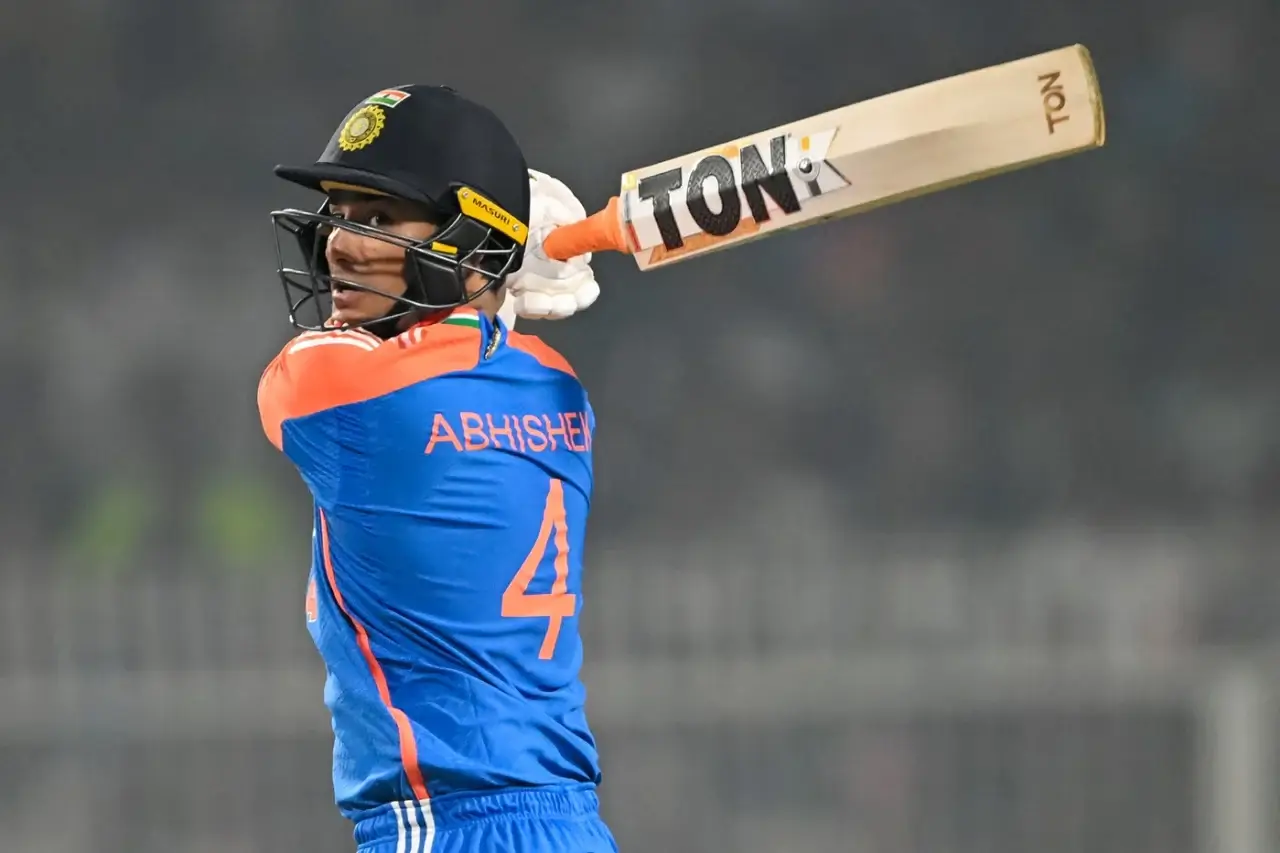
The clearest message from India’s Dubai nets came through the batting sequence. Certain batters walked in early every day. Others waited, even after warm-ups ended to maintain the timeline. This was not a coincidence. It was hierarchy in action. The management used time, not words, to communicate trust.
Top-order batters faced extended spells against first-choice bowlers. They were tested with older balls and tighter fields. This reflected match-simulation intent. Middle-order options were rotated more. Some faced throwdowns instead of specialists. That separation mattered.
Batters being considered for anchor roles spent more time against spin. The drills focused on patience, not stroke range. Power hitters were asked to finish sessions quickly. This suggested clarity around their limited-overs usage.
Another subtle cue came from rest management. Certain players were pulled out early. That usually signals locked-in selection. Fringe players stayed longer. They were observed under fatigue.
Dubai’s slow pitch made strike rotation central. Coaches repeatedly paused sessions to discuss options. This showed India prioritizing adaptability over flair. The nets were not about expression. They were about responsibility. When practice mirrors match order, it rarely lies. India’s batting plans were already taking shape.
Bowling Trust Hierarchy Emerged Quietly
India’s bowling sessions revealed more than workload management. They revealed trust tiers. A small group bowled to all senior batters. Others rotated between support roles. This separation was deliberate.
Frontline bowlers were given specific match-like tasks. Defend six runs. Bowl into the pitch. Execute wide yorkers. These instructions mirror death-over responsibility. Support bowlers focused on rhythm and accuracy instead.
Spin planning stood out sharply. Certain spinners bowled in tandem repeatedly. This hinted at preferred combinations. Others were used situationally. That often reflects backup planning.
The coaching staff paid close attention to body language. Missed lengths triggered quick feedback. Successful spells earned nods, not applause. This calm approval signals confidence.
Field placements during nets also mattered. Slip, short third, and long-on positions were marked. This shows India rehearsing real scenarios. Not generic drills.
Dubai conditions reward discipline. India’s bowlers were being graded on control, not pace. The hierarchy that emerged felt settled, not experimental.
Fielding Groups Exposed Priority Players
Fielding drills are often overlooked. In Dubai, they spoke loudly. India split players into clear groups. Inner-ring specialists trained separately. Boundary riders focused on angles and throws.
Certain players were constantly placed in high-traffic zones. Covers. Long-off. Deep midwicket. These are trust positions. Players there usually start matches.
Others rotated between zones. That suggests flexibility, not certainty. Coaches observed catching reliability under fatigue. Dropped chances were noted quietly. Repetition followed mistakes.
Wicket-keeping drills also revealed intent. Primary keepers trained with frontline bowlers. Backup options worked with throwdowns. This distinction usually reflects match planning.
Communication drills stood out. Players were pushed to call loudly. Dubai stadium acoustics demand clarity. India trained for that specifically.
Fielding sessions confirmed one thing. India already knows who it trusts when pressure peaks.
Who Trained Centrally, Who Waited, And Why It Matters?
The most revealing detail was positioning. Central nets went to select players daily. Peripheral nets were shared. This spatial hierarchy is common in elite camps. It reflects selection proximity.
Players training centrally received more coach interaction. Adjustments were immediate. Feedback was specific. Peripheral players received general guidance instead.
Waiting time also mattered. Some players waited despite being fit. That usually signals backup status. Others were fast-tracked through sessions. That indicates role certainty.
Recovery protocols reinforced this. Certain players skipped fitness add-ons. Their workload was protected. Fringe players completed full cycles.
These decisions are never accidental. They reduce confusion before matches. They also mentally prepare players for their roles.
Dubai’s tight schedule leaves no room for ambiguity. India’s management used space and time to remove doubt.
What These Sessions Reveal About India’s Match Thinking?
India’s Dubai practices were rehearsals, not experiments. The structure reflected settled ideas. Roles were defined. Combinations were nearly fixed.
The focus stayed on control, not dominance. That suits slow pitches. Batters trained for patience. Bowlers trained for discipline. Fielders trained for reliability. vvvThere was little visible panic. No over-correction. That suggests confidence in planning. The staff looked for execution, not answers.
Young players were observed closely but not indulged. Senior players were protected. This balance usually appears when squads are close to final.
Dubai did not change India’s philosophy. It refined it. The sessions acted like quiet confirmations. When teams stop testing and start repeating, it means decisions are already made. India’s whispers in Dubai were clear.

