
India’s recent Test batting struggles did not arrive suddenly. They were slow, structural, and predictable. When Rahul Dravid spoke about all-format players losing red-ball preparation time, he was not making excuses. He was describing a system under strain. India have dominated white-ball cricket through repetition and volume. Test cricket, however, demands something different. It needs patience, muscle memory, and hours of quiet practice that modern schedules rarely allow.
The losses at home to New Zealand and South Africa were not isolated failures. They were symptoms. Indian batters looked rushed, unsure, and reactive. Shot selection broke down early. Defensive techniques wavered. These are not talent issues. They are preparation issues. Dravid’s comments cut deeper because he understands both eras. He played when Test cricket was the centrepiece. He coached when it became just another format squeezed between tournaments.
This article breaks down why India’s Test batting is struggling, how schedule pressure is reshaping technique, what the World Test Championship has changed, and why tours to Bangladesh and Australia expose the gap further. This is not nostalgia. This is diagnosis.
The Vanishing Red-Ball Preparation Window
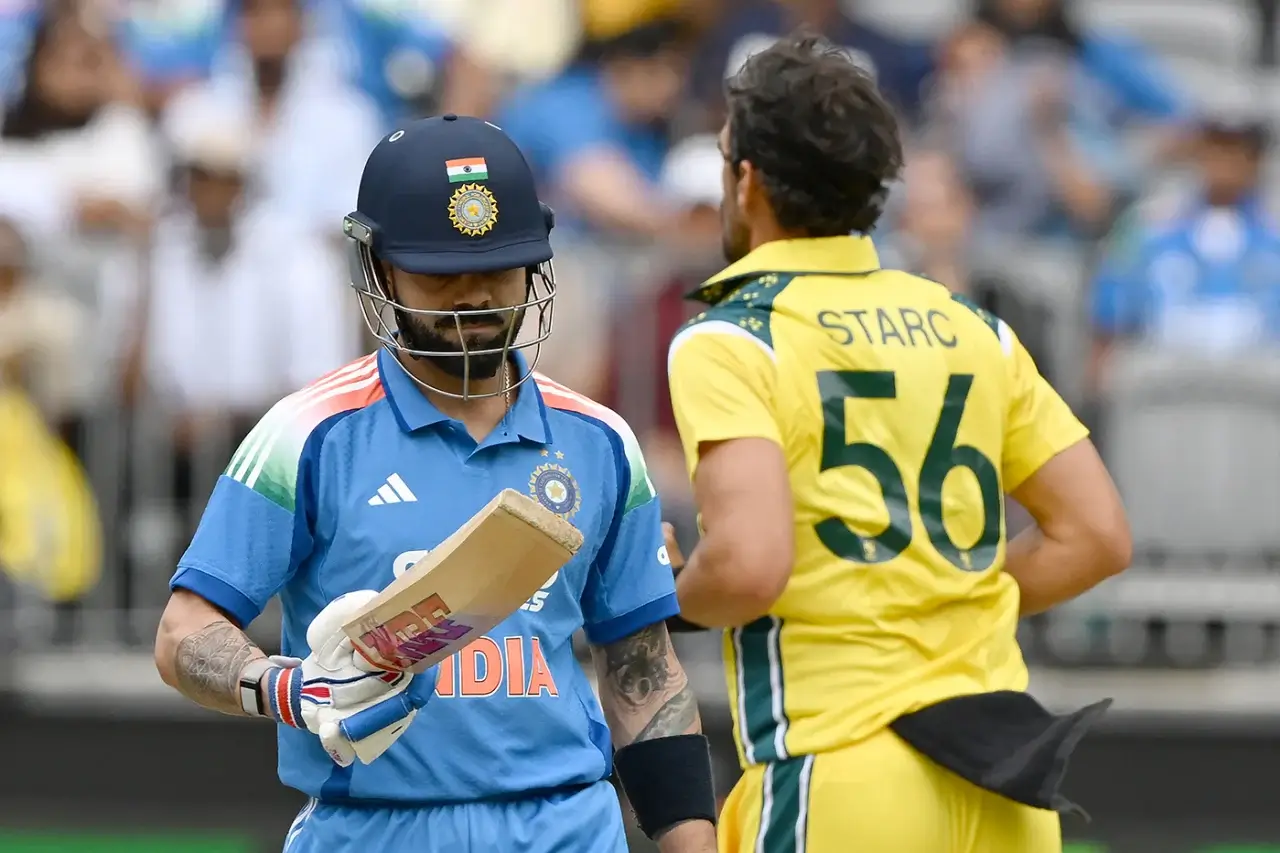
Test batting is built on repetition in the face of discomfort. That repetition is disappearing. Indian batters now move directly from T20 leagues to international series with minimal red-ball exposure. Dravid highlighted that some players reach a Test match having not faced a red ball for four or five months. That gap matters more than people admit.
Red-ball batting is about judgment over long spells. The ball swings longer. It seems unpredictable. The margin for error is smaller. These skills fade without use. Net sessions cannot fully replace extended red-ball practice. Match intensity teaches patience differently. When preparation time shrinks to three or four days, players survive on instinct, not structure.
Earlier generations built muscle memory through month-long camps. Batters learned to leave balls outside off stump. They learned to bat time. Today’s players learn to score quickly because that is what they practise most. The result is visible. Early dismissals increase. Partnerships shorten. Collapse becomes more likely.
This is not about blaming players. It is about acknowledging reality. A system that rewards white-ball excellence inevitably weakens red-ball fundamentals. Unless the calendar changes, this gap will continue growing.
Format Switching Is Not Mentally Neutral
Switching formats is not just technical. It is psychological. T20 batting trains the mind to attack risk early. Test batting demands restraint. Moving between those mindsets repeatedly causes conflict. Shubman Gill’s recent comments underline this issue clearly. Even elite players struggle to recalibrate quickly.
In T20s, a mistimed shot might still clear the infield. In Tests, the same shot finds a slip. Shot selection habits do not reset instantly. The brain remembers recent rewards. That is why batters chase width early or drive on the up too often.
Time zones worsen the issue. Travel fatigue reduces clarity. Limited practice increases uncertainty. When players arrive late, they rely on match feel. Against high-quality bowling, that is dangerous. Test cricket punishes indecision faster than any format.
India’s batting collapses often begin with one soft dismissal. That dismissal triggers pressure. Without preparation, pressure multiplies. This pattern has repeated across recent series. It is not coincidence.
Why T20 Excellence Has Grown So Fast?
India’s T20 dominance has clear roots. Players spend months training specific skills. Power-hitting is rehearsed daily. Bowlers are faced with clear plans. Mistakes are corrected instantly. Volume builds confidence.
The IPL has normalised batting aggression. Players learn which balls to attack. They learn range hitting. They practise against elite bowlers regularly. This repetition produces results.
Dravid’s point is simple. What you practise most, you become best at. India’s white-ball success proves that preparation works. The same logic applies to Test cricket. The absence of similar preparation explains the decline just as clearly.
This is not an argument against the IPL. It is an argument for balance. If Test cricket matters, it needs dedicated windows. Skill cannot be preserved through intention alone.
World Test Championship Has Changed Pitch Behaviour
The World Test Championship has reshaped priorities. Home teams now push for results over balance. Flat pitches risk draws. Draws hurt points. The pressure to win every Test has increased sharply.
As a result, pitches offer more assistance to bowlers. Turners appear earlier. Seam movement lasts longer. Batters face harsher conditions more often. Without preparation, these conditions feel extreme.
India is not alone. Similar patterns exist globally. However, teams with stable red-ball schedules adapt better. India’s batters face tougher pitches with less preparation than before. That combination is damaging.
Result-oriented pitches expose technical gaps faster. Defensive flaws surface early. Batting long becomes harder. The margin for error disappears.
Bangladesh Tours Highlight the Red-Ball Gap
Tours to Bangladesh underline these issues clearly. Turning tracks demand patience and footwork. Batters must trust defence. They must score in singles, not bursts. Without practice, players feel rushed.
India often wins these series, but batting remains inconsistent. Collapses occur even in victories. These matches reveal preparation gaps more than overseas tours sometimes do.
Bangladesh conditions reward red-ball habits. Players who lack them struggle. This makes Bangladesh series an important internal benchmark, not just a formality.
Australia Tests Demand Even More Discipline
Australia presents the opposite challenge. Pace, bounce, and relentless accuracy test technique deeply. Batters must leave well. They must play late. Mental discipline decides outcomes.
India’s recent successes there were built on preparation and extended red-ball focus. Replicating that without time is difficult. Short preparation tours risk repeating past failures.
Australian bowlers exploit impatience quickly. Without red-ball rhythm, batters chase deliveries they should ignore. That is where matches turn.
Selection changes often follow batting failures. While accountability matters, rotation alone cannot solve preparation gaps. New players face the same constraints. Experience helps, but only to a point.
Even senior players need rhythm. Test batting is not static knowledge. It erodes without reinforcement. Stability helps confidence, but preparation builds competence.
Scheduling Is the Real Battleground
The core issue is scheduling. Without protected red-ball windows, decline will continue. This requires coordination between boards, leagues, and international calendars. It is difficult, but necessary.
If Test cricket is valued, it must be treated differently. Otherwise, it becomes a format players adapt to briefly, not master consistently.
Dravid is not lamenting the past. He is warning about the future. His experience spans both worlds. He understands what has been lost and why it matters.
Ignoring this message risks normalising mediocrity in Tests. India can still dominate. The talent exists. What is missing is time.
Conclusion: Time, Not Talent, Is India’s Test Problem
India’s Test batting decline is not about ability. It is about the environment. Preparation has been squeezed out by success elsewhere. The calendar rewards speed over endurance. Skills follow incentives.
Rahul Dravid’s comments matter because they explain cause, not just effect. Test cricket demands space. It demands repetition. Without those, even great players struggle.
Bangladesh and Australia will continue exposing this gap. The World Test Championship will amplify pressure further. Unless red-ball preparation is protected, results will fluctuate.
India must decide what Test cricket means to them. If it matters, time must be given back. Skill does not disappear overnight. It fades quietly, when neglected.