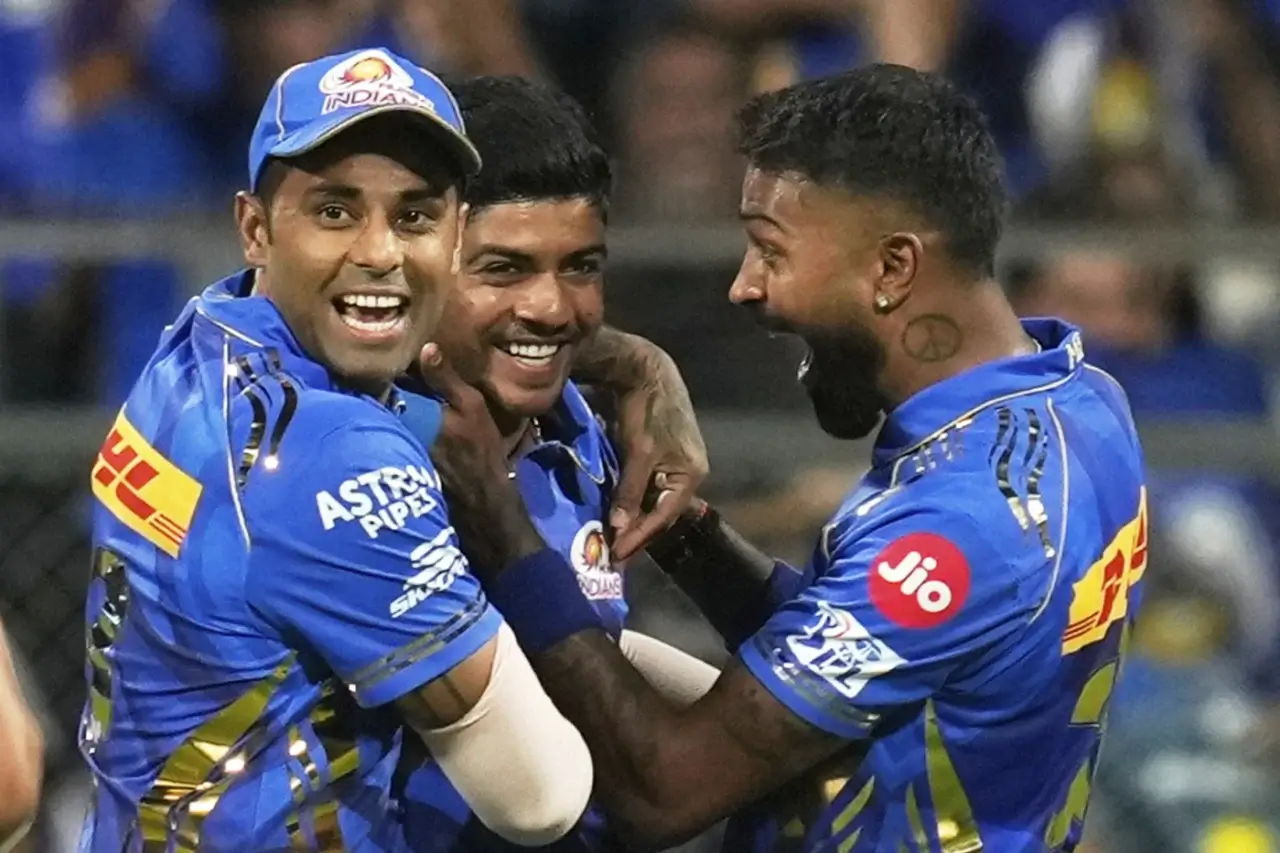
T20 matches are often remembered for sixes, yorkers, and final-over drama. But the truth usually sits deeper. The Mumbai Indians vs Punjab Kings game was decided long before the final overs arrived. It was decided through small, repeated moments of control.
On the surface, both teams looked evenly matched. Similar firepower. Similar bowling resources. But as the match unfolded, the difference became clear. Mumbai Indians played the game in phases. Punjab Kings played it in bursts.
T20 cricket rewards clarity more than chaos. Mumbai entered the contest knowing exactly where the game would be won. Punjab relied on moments to swing it. Over time, that gap widened. By the end, the scoreline reflected not just runs and wickets, but decision-making under pressure.
This expanded analysis breaks down the match through eight defining lenses, explaining why Mumbai stayed ahead and where Punjab lost control.
Powerplay Bowling Created Early Psychological Pressure

The powerplay was not about wickets. It was about authority. Mumbai Indians bowled with discipline from the first ball. Their fast bowlers did not chase swing or magic deliveries. Instead, they targeted hard lengths and tight channels. This forced in Mumbai Indians vs Punjab Kings games batters to manufacture shots rather than play natural ones.
The result was subtle pressure. Even boundaries felt slightly risky. Singles were available, but freedom was not. That distinction matters. When batters feel they must work for runs, shot selection tightens. Mistakes creep in later.
Punjab’s powerplay bowling lacked that same clarity. Their bowlers searched for early breakthroughs but drifted in length. A few loose balls allowed Mumbai batters to settle. That early comfort paid dividends later.
By the sixth over, the scoreboard suggested balance. But psychologically, Mumbai were already ahead. They had dictated terms. Punjab were responding.
Middle-Overs Pace Variation Slowed the Game Intentionally
Overs seven to fourteen were the most decisive stretch. Mumbai did not aim to dominate this phase. They aimed to suffocate it. Pace-off deliveries, cutters into the pitch, and wide lines reduced scoring options. The field supported the plan perfectly.
Punjab batters tried to force momentum. But forced momentum often leads to mistimed shots. Each failed attempt added pressure to the next delivery. Dots began to feel heavier than usual.
Punjab’s bowling in the same phase lacked variation. They bowled at similar speeds and lengths. Mumbai batters read this early. They waited deep, picked bowlers, and released pressure with timely boundaries.
This contrast shaped the match. Mumbai controlled the tempo. Punjab allowed the tempo to be dictated to them.
Death Overs Exposed Execution Gaps Under Stress
The death overs were not dramatic. They were efficient. Mumbai bowlers trusted their plans. Yorkers were attempted repeatedly. Slower balls were used sparingly. Even when hit, bowlers did not abandon their methods.
Punjab’s death bowling showed intent but lacked conviction. One missed yorker led to experimentation. That experimentation led to predictability. Mumbai batters sensed uncertainty and committed fully to shots.
At this stage of a T20 match, hesitation is fatal. Mumbai showed none. Punjab showed just enough for the game to slip away.
Batting Intelligence Outweighed Raw Power
Mumbai’s batting was not explosive by default. It was measured. Batters assessed bowlers quickly. They identified boundary options. They rotated strike when boundaries were unavailable.
Punjab’s batting leaned heavily on impact shots. When those landed, momentum followed. When they didn’t, pressure doubled. There was limited adaptation once plans failed.
Mumbai batters adjusted footwork, depth, and shot selection constantly. Punjab batters largely stuck to pre-set ideas. That rigidity became costly.
Leadership often decides close matches quietly. Mumbai’s captain was proactive. Bowling changes came before momentum shifted. Field placements anticipated shots instead of reacting to them.
Punjab’s leadership showed aggression but not timing. Bowlers were kept on a fraction too long. Fields were adjusted after damage, not before. Those small delays added runs and confidence to Mumbai. T20 captains don’t need perfection. They need decisiveness. Mumbai had it consistently.
Reading Conditions Faster Gave Mumbai a Structural Edge
The pitch rewarded discipline. Pace off the ball held slightly. Hard lengths caused mis-hits. Mumbai read this early and adapted.
Punjab continued bowling fuller and faster for longer. By the time adjustments came, damage was done. Mumbai batters had already settled. Matches are often won by the side that understands conditions first. This one followed that rule exactly.
Pressure Moments Were Managed, Not Feared
Every innings contains pressure points. Mumbai absorbed them calmly. A quiet over did not cause panic. A wicket did not trigger reckless shots.
Punjab reacted emotionally to pressure. Shot selection changed abruptly. Bowling plans shifted mid-over. That emotional swing cost control. Elite teams treat pressure as routine. Mumbai did that. Punjab fought it.
This game reinforced Mumbai’s identity. Structured planning. Calm execution. Phase-wise control. They didn’t chase brilliance. They engineered control.
Punjab showed promise but lacked cohesion. Talent was visible. Structure was not consistent. Until that balance improves, results will fluctuate.
The Mumbai Indians vs Punjab Kings match was a lesson in modern T20 thinking. Control beat aggression. Planning beat improvisation. Calm beat chaos.
Mumbai didn’t win because they played harder shots. They won because they made fewer poor decisions. Punjab competed, but they didn’t control. In tight T20 contests, that difference is everything.