


Daryl Mitchell did not just score runs in India. He altered the global ODI batting order. Across three matches, his consistency and authority stood out clearly. Scoring 352 runs in a short series demands more than form. It demands control under pressure.
India rarely allows visiting batters extended dominance. Mitchell broke that pattern with patience and calculated aggression. His hundreds arrived when matches demanded responsibility. He did not chase milestones. He anchored victories.
This series mattered beyond results. It carried ranking weight. Mitchell entered the contest narrowly behind the top spot. He exited with a massive lead. That gap now reflects sustained superiority, not marginal fluctuation.
What stood out most was his adaptability. Indian pitches changed across venues. Bowling plans evolved quickly. Mitchell remained unmoved. That calm accumulation, mixed with timely acceleration, reshaped perceptions. This was not a purple patch. It looked like control at its peak.
Table of Contents
ToggleCenturies Built on Authority, Not Chance
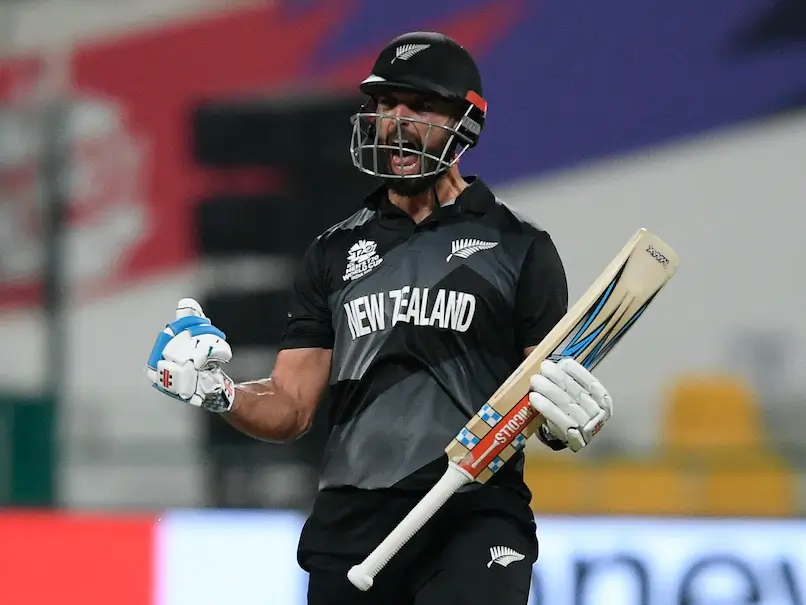
Mitchell’s centuries were not frantic. They were measured. Scores of 131* and 137 came at strike rates exceeding 100. That balance unsettled Indian bowlers. He absorbed pressure early. He punished mistakes later.
These were not flat-track hundreds. India attacked him with pace and spin variations. Fields shifted constantly. Still, Mitchell found gaps with precision. His shot selection showed clarity, not improvisation.
Reaching nine ODI centuries in just 54 innings places him among elite company. Only a few names reached that landmark quicker. That statistic highlights efficiency, not longevity.
More importantly, these centuries carried context. One sealed New Zealand’s first ODI series win in India. That alone elevates its significance. Visiting hundreds often fade from memory. Series-winning hundreds endure.
Mitchell’s batting showed modern ODI excellence. He rotated strike like a classical anchor. He accelerated like a finisher. That duality defines elite limited-overs batting today.
The Ranking Gap That Tells a Bigger Story
Before the series, the margin was microscopic. Virat Kohli held 785 rating points. Mitchell followed at 784. One good innings could swing positions.
After the series, the story changed completely. Mitchell now stands at 845. Kohli slipped to 795. That 50-point gap reflects dominance, not volatility. Rankings rarely stretch this far at the top.
Kohli’s series was respectable. Scores of 93 and 124 showed class. Yet one modest innings proved costly. Rankings reward consistency across matches, not flashes alone.
This shift highlights modern ODI demands. Volume matters. Match influence matters more. Mitchell checked both boxes decisively.
Rankings often feel abstract. This one feels earned visibly. Every run Mitchell scored tightened his grip on the top spot. Every partnership reinforced his case. This was not a ranking accident.
Historic Numbers in Elite Company
Mitchell’s 352 runs now stand as New Zealand’s highest in a three-match ODI series. That alone sets a national benchmark. Globally, only two series totals exceed it.
Such comparisons place him alongside elite names. That context elevates the achievement further. It signals not just form, but historical relevance like Bangladesh India timeline.
His rise mirrors New Zealand’s evolving ODI approach. They value stability through the middle overs. Mitchell embodies that role perfectly. He bridges top-order patience with late acceleration.
This series also highlighted stamina. Three matches. High expectations. Hostile environments. Mitchell maintained clarity throughout.
Records matter because they frame eras. This performance will define Mitchell’s peak years. It will also influence how teams plan against him going forward.
India’s Bowling Plans and the Mitchell Puzzle
India tried multiple strategies. Early swing. Middle-overs spin. Defensive fields. None worked consistently. Mitchell adjusted faster than plans evolved.
He neutralized spin by using depth in the crease. He countered pace with placement, not power. That flexibility frustrated bowlers.
Indian teams often choke visiting batters through pressure. Mitchell resisted that squeeze. He refused risky strokes early. That patience forced bowlers into errors.
Partnerships played a role too. His stand with Glenn Phillips changed momentum decisively. That phase turned a contest into control.
This was not dominance through brute force. It was dominance through decision-making. That makes future planning harder for opponents.
What This Means for Kohli and the Chasing Pack?
Kohli’s drop does not signal decline. It signals competition. Modern ODIs leave little margin for average games. Even legends feel that pressure.
Behind them, names continue to rise. Ibrahim Zadran, Rohit Sharma, and Shubman Gill remain within reach. Rankings remain fluid below the summit.
Mitchell’s challenge now is retention. Holding the top spot requires repeated impact. Every series becomes a defense.
For Kohli, the response will be calm recalibration. His consistency over years remains unmatched. Rankings move. Class stays. This dynamic rivalry enhances ODI cricket’s narrative. It ensures constant tension at the top.
A Defining Phase for Daryl Mitchell
This is Mitchell’s second stint at No.1. The first was brief. This one feels firmer. The gap suggests authority, not timing.
Sustaining this position will test adaptability. Opponents will target his scoring zones relentlessly. Data will drive plans. Yet Mitchell appears ready. His game feels compact. His temperament feels settled. Those traits age well.
This India series may define how his ODI career is remembered. Not just as prolific. But as impactful in the toughest conditions.
Top rankings reward moments. This series delivered several. For now, the ODI summit belongs to Daryl Mitchell, earned through control, courage, and clarity.