

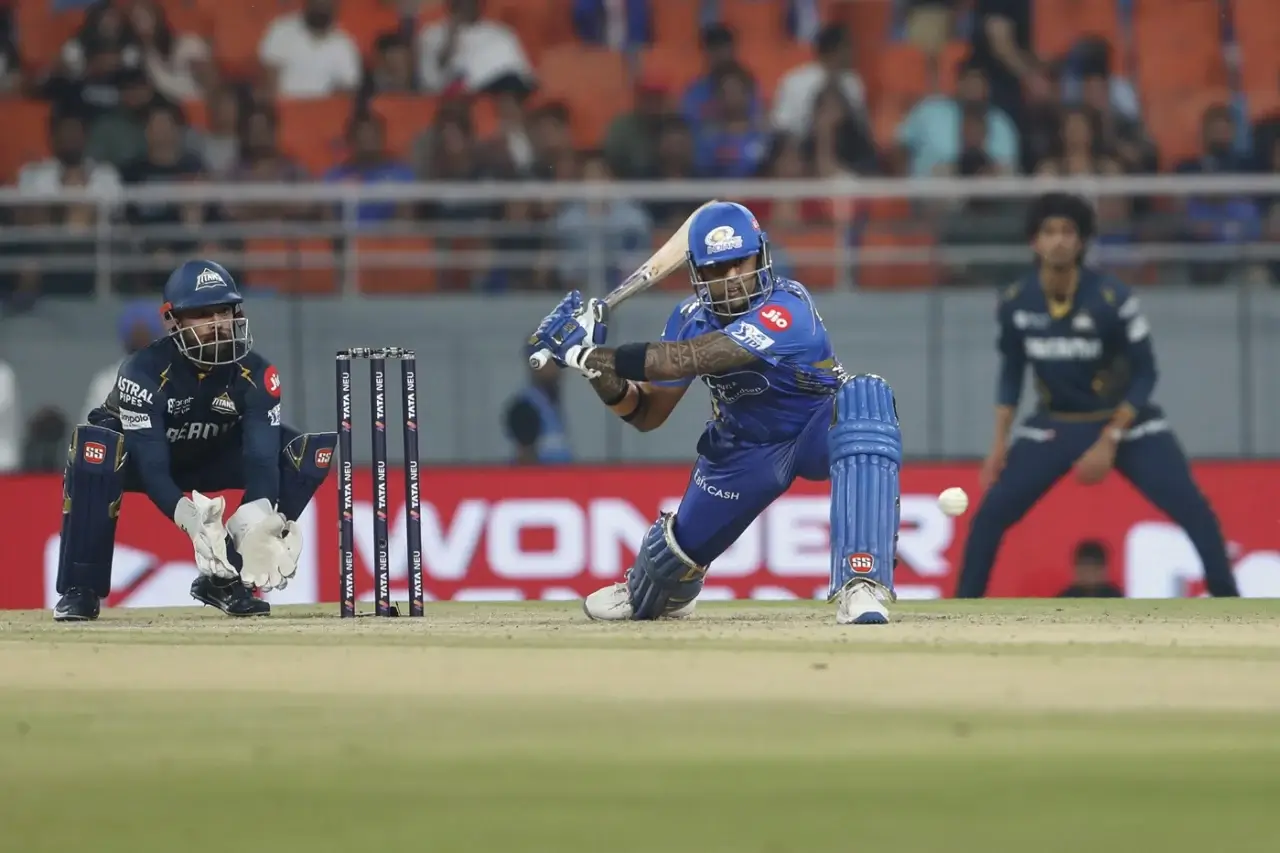
Suryakumar Yadav never planned to become a T20 specialist. His career grew during an era when format loyalty still mattered. Test cricket remained the dream, while ODIs were the proving ground. T20 was merely an add-on. Yet time reshaped the sport faster than careers could adapt. Suryakumar adapted without even realising it.
His journey reflects cricket’s silent shift. India now plays far more T20Is than ODIs. Specialists no longer feel temporary. They feel necessary. Suryakumar stands as the first true product of this change from a Full Member nation. He has reached 100 T20Is without building a long Test or ODI résumé. That alone makes him unique.
What separates him is intent. He still plays domestic red-ball cricket when possible. He never abandoned traditional skills. Instead, he refined them for a shorter battlefield. His batting feels spontaneous, yet it rests on years of control and repetition.
This is why his milestone matters. It is not about numbers. It is about identity. Suryakumar represents the bridge between old ambition and new opportunity. He did not chase the format. The format eventually chose him. That makes his current phase more emotional than technical. Pioneers rarely get smooth endings.
A Format That Behaves Like a Different Sport
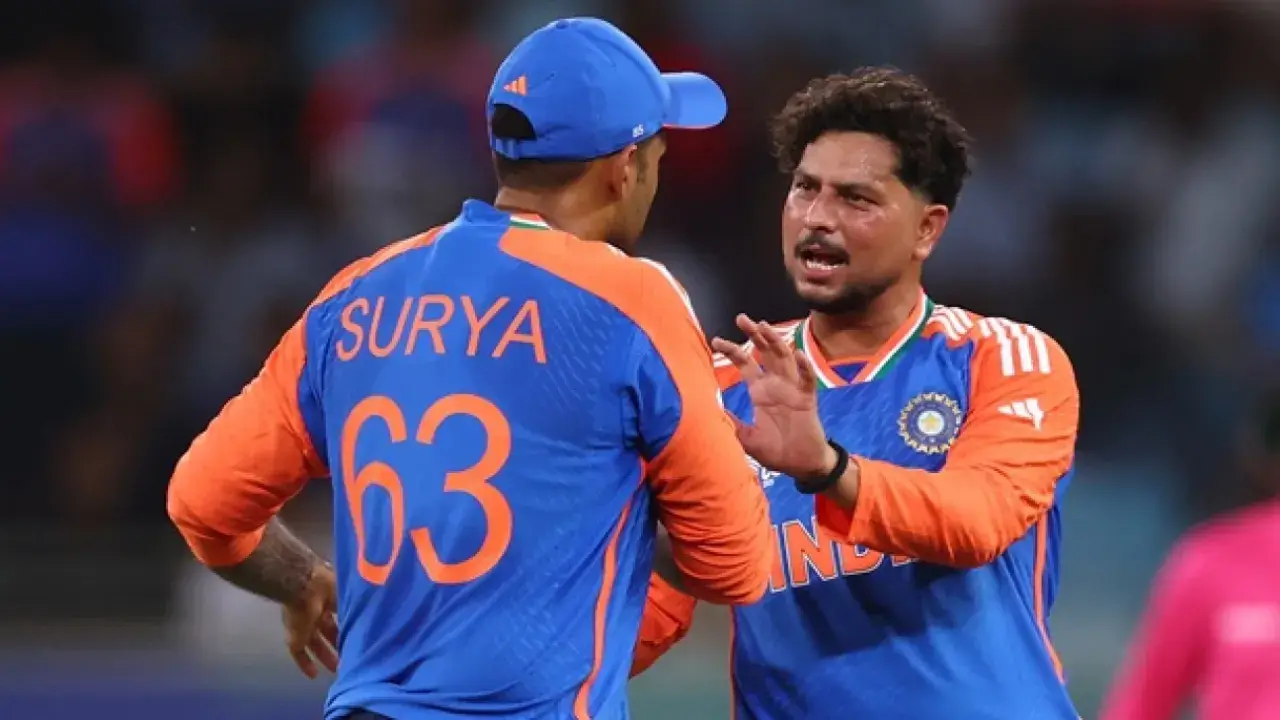
T20 cricket looks familiar, yet behaves differently. Skills overlap, but instincts change. Adjustments from Tests to ODIs feel gradual. Adjustments from ODIs to T20s feel abrupt. Suryakumar understood this before most. He built a game based on angles, pace manipulation, and late decisions.
Modern Indian T20 line-ups now reflect this thinking. Several players operate almost exclusively in the format. Suryakumar became the template, not by design, but by survival.
However, this evolution carries risk. Bowlers study patterns relentlessly. Data exposes comfort zones quickly. Once surprise fades, only adaptability survives. Opponents now bowl fuller at Suryakumar, aiming to disrupt his hitting arc. What once looked like scoring opportunities now feels like traps.
Unlike multi-format players, he lacks safe spaces. He cannot step into county cricket or overseas leagues for recalibration. The IPL and India duty form his entire testing ground. That compresses learning into pressure moments.
This is where T20 becomes unforgiving. There is little time to rebuild quietly. Every failure feels public. Every inning feels judged. Suryakumar’s challenge is not skill erosion. It is constant reinvention in a sport that rarely pauses.
From Comparison to Question Marks
At his peak, comparisons felt inevitable. The name AB de Villiers surfaced often. Not because styles matched perfectly, but because freedom did. Suryakumar seemed unrestrictable. Field placements felt irrelevant.
That freedom now feels constrained. He has not scored an international fifty in over a year. For a batter built on momentum, that absence weighs heavily. Cricket narratives shift brutally fast. Yesterday’s innovator becomes today’s puzzle.
Yet context matters. Teams prepare differently now. Bowlers deny width. Captains push fields straighter. Mistimed risks look worse when expectations are higher. His dismissals suggest timing issues, not confusion. Full balls once punished are now misread.
There are whispers of physical discomfort. Nothing confirmed. Nothing denied. As captain, absence is not an option. Leadership demands presence, even during personal downturns. That burden compounds from struggles.
This phase tests belief. Not public belief, but internal clarity. Great T20 batters survive by trusting instincts longer than critics allow. Suryakumar must decide whether to wait for rhythm or force a reset. Both paths carry danger.
Captaincy Without Shelter
Leadership changes perception instantly. Failures feel louder. Responsibilities multiply silently. As captain, Suryakumar cannot disappear between series. Every toss, every press interaction reinforces scrutiny.
Unlike veterans such as Rohit Sharma or Virat Kohli, his legacy is unfinished. They entered late-career tournaments with security. He enters with urgency. That difference matters.
Captaincy demands balance. Personal form cannot dominate decision-making. Yet form shapes confidence. When boundaries dry up, leadership instincts hesitate. This is the quiet battle Suryakumar fights daily.
He must lead younger specialists who look to him as proof that this path works. Any visible doubt risks unsettling the group. At the same time, forced aggression risks deeper slumps.
The hardest part is visibility. He cannot experiment privately. Every adjustment unfolds under match lights. For most players, captaincy amplifies strengths. For Suryakumar, it amplifies timing. Either he rediscovers his natural rhythm soon, or pressure tightens further.
The World Cup That Shapes Memory
Trophies define memory more than averages. Suryakumar owns IPL success. He owns iconic innings. Yet international T20 glory remains distant from his name.
Yes, he was part of a World Cup-winning squad. Yes, his catch in the final mattered. Still, batters are remembered for runs, not moments. Especially captains.
This tournament arrives at a delicate age. He is unlikely to feature in the 2028 cycle. Time does not offer extensions easily. This World Cup feels like a final exam, not a chapter test.
Winning would change perception instantly. Captaincy success erases personal droughts. A few decisive innings can flip narratives overnight. Losing without impact would cement unfinished business.
Legacy in T20 cricket remains fluid. It depends on whether the peaks align with tournaments. For Suryakumar, alignment has never felt more urgent. The format he helped define now demands closure from him.
Technical Answers, Mental Questions
Technically, the fixes appear small. Bat swing remains fast. Footwork remains sharp. The issue lies in split-second judgment. Bowlers exploit that hesitation.
Mentally, the challenge runs deeper. Confidence in T20 thrives on freedom. Fear shrinks scoring zones. Once doubt creeps in, creativity narrows.
Suryakumar insists he knows the problem. That statement matters. Awareness precedes correction. What remains uncertain is time. Can awareness convert quickly enough? Training environments help, but matches teach harder lessons. Every early dismissal tests patience. Every boundary briefly restores belief. This cycle repeats relentlessly.
Great T20 careers hinge on managing these loops. Skill alone never suffices. The next few weeks will reveal whether Suryakumar still trusts his instincts fully or whether caution has started to dictate his choices.
A Pioneer’s Final Test
Pioneers rarely enjoy clear templates. They walk paths without markers. Suryakumar did that unknowingly. He became India’s first enduring T20I specialist without intending to. Now, the format demands its price. It asks for constant reinvention. It asks for signature moments under maximum glare.
The next two months will decide how his story is told. As a revolutionary who burned brightly. Or as a leader who completed the circle with silverware.
Either way, his influence stands secure. Future specialists exist because his path proved viable. Yet cricket history remembers finish lines more than journeys.
This is not about survival anymore. It is about definition. The pioneer stands close to his final statement. Whether it arrives with a flourish or a fade will decide how T20 cricket remembers Suryakumar Yadav.