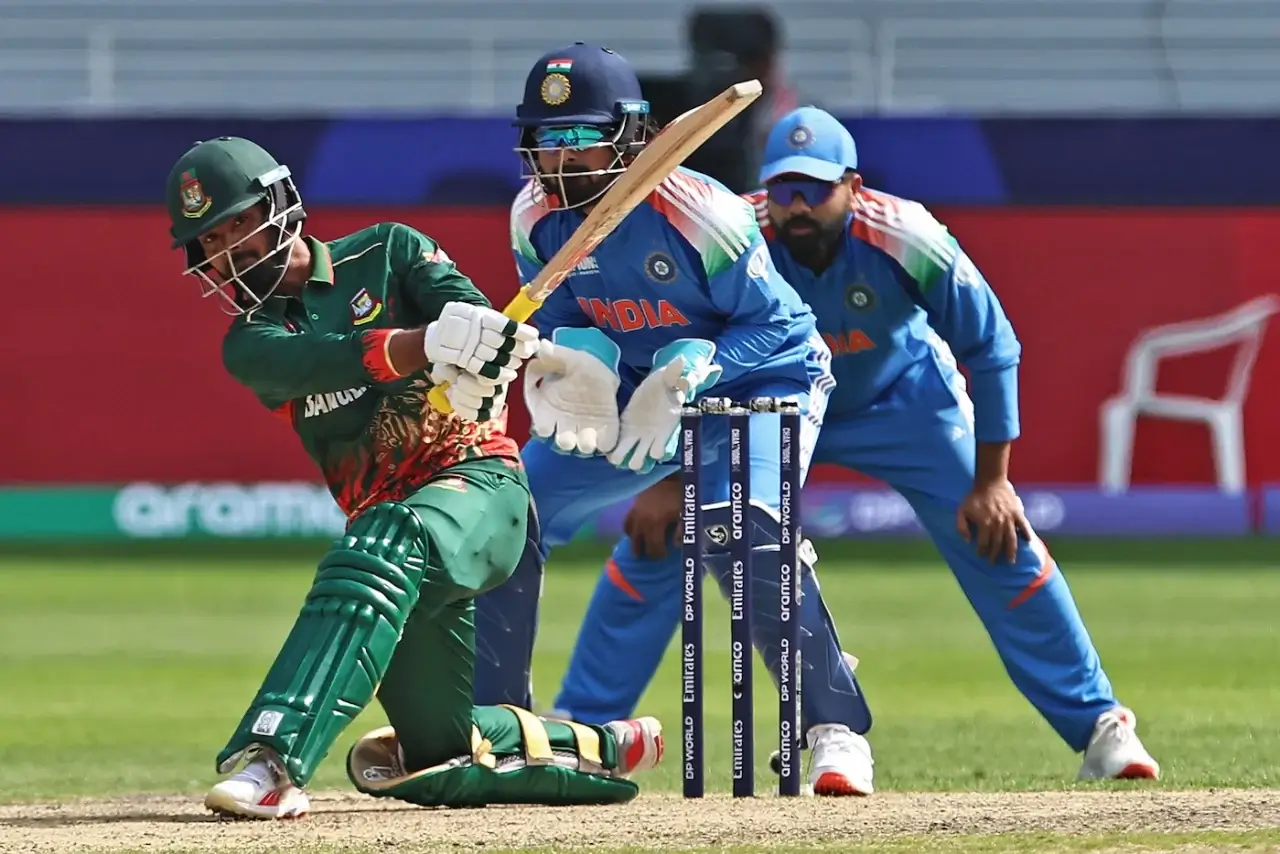
India versus Bangladesh games rarely feel routine. Even mismatched squads produce tense contests. The scoreboard often stays close longer than expected. Crowd noise rises early. Emotions spill into every phase. The reason lies beyond skills or rankings. This rivalry is driven by pressure amplification. Bangladesh plays India with emotional urgency. India plays Bangladesh with control responsibility. That difference shapes match flow. Bangladesh treats moments as statements. India treats moments as phases. Phases reduce chaos. Statements increase risk. This article studies that psychological contrast deeply.
It avoids past controversies and famous matches. The focus stays on pressure behaviour. India absorbs pressure patiently. Bangladesh releases pressure explosively. Explosive release creates volatility. Volatility creates unforgettable moments but unstable outcomes.
This explains Bangladesh’s spikes and collapses. It also explains India’s calm recoveries. The rivalry survives on tension, not parity. Understanding this lens explains why close games often end predictably. This is not about disrespect. It is about pressure maturity. Teams that manage pressure win more. India does it better. Bangladesh is still learning.
Why India vs Bangladesh Feels More Intense Than It Looks?
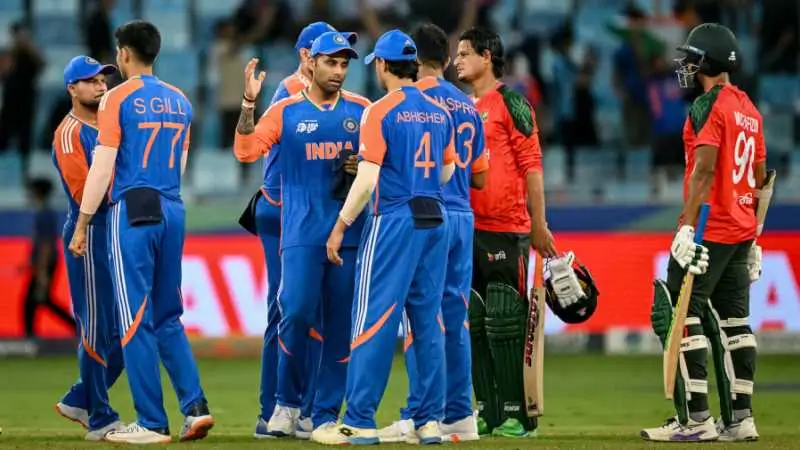
This rivalry carries emotional weight beyond rankings. Bangladesh sees India as a benchmark opponent. Every match feels like validation. That mindset intensifies pressure. India sees Bangladesh as a responsibility test. Losing focus feels unacceptable. These opposing views create tension. Bangladesh enters games emotionally charged. India enters emotionally guarded. Guarded teams make fewer impulsive errors. Charged teams create highlight moments. Those moments raise belief quickly.
They also raise risk sharply. Crowd energy multiplies this effect. Especially in Bangladesh, pressure arrives early. India anticipates this pattern. Bangladesh embraces it instinctively. Anticipation creates preparation. Embrace creates spontaneity. Spontaneity excites crowds but drains clarity.
This explains why Bangladesh often starts strong. It also explains why momentum fades suddenly. India survives early storms deliberately. Survival frustrates Bangladesh emotionally. Frustration then leaks into execution. This cycle repeats across formats. The rivalry feels explosive because pressure arrives instantly. Outcomes depend on who manages it longer.
Emotional Investment vs Emotional Regulation
Bangladesh plays India with deep emotional investment. Victories feel historic. Losses feel personal. Emotional investment fuels intensity. It also narrows decision margins. India approaches the same games with emotional regulation. Regulation does not mean lack of passion. It means controlled expression. Controlled teams process setbacks better. Bangladesh often reacts immediately to setbacks.
Immediate reaction creates rushed decisions. India absorbs setbacks quietly. Absorption preserves clarity. This difference becomes visible in tight phases. Bangladesh seeks momentum shifts through aggression. India seeks stability through patience. Both approaches have value. But patience survives longer under pressure. Emotional investment peaks quickly. Emotional regulation sustains longer.
That is why Bangladesh often dominates short bursts. India dominates longer passages. Matches are won in longer passages. Emotional management becomes the deciding factor. Until Bangladesh balances emotion with restraint, this pattern persists.
Crowd Pressure as a Double-Edged Weapon
Crowds play a major role in this rivalry. Bangladesh crowds amplify belief massively. Every boundary feels like a breakthrough. Every wicket feels decisive. This energy lifts players instantly. It also increases expectation sharply. Expectations tighten mental space. Players feel forced to deliver moments. India treats crowds as background noise. Experience helps filtering. Filtering preserves decision quality.
Bangladesh absorbs crowd emotion fully. Absorption consumes mental energy. Energy spent emotionally reduces focus availability. This leads to errors during quieter overs. India uses quiet overs to reset control. Bangladesh struggles during silence. Silence feels like lost momentum.
Players then force action. Forced action creates openings. Crowd advantage then flips psychologically. India becomes calmer as noise peaks. Bangladesh becomes restless. That reversal decides many close games.
Middle Overs – Where Bangladesh Loses Grip
Middle overs define this rivalry quietly. Bangladesh often dominates early phases. Powerplay aggression excites belief. Then middle overs arrive. This phase demands patience. Singles matter more than boundaries. India thrives here through structure. Bangladesh often searches for continuation. Searching drains clarity. India rotates strike without drama. Bangladesh experiments with shots and variations.
Experimentation increases error probability. Bowlers then sense opportunity. Pressure shifts invisibly. Required rates stay manageable. Yet control has changed hands. Bangladesh rarely collapses instantly. Instead, momentum bleeds slowly. India recognises this bleed early.
They tighten fields and lines. Bangladesh feels pressure rising without scoreboard panic. This mismatch confuses batters. Confusion leads to soft dismissals. Middle overs decide most India–Bangladesh games. India understands this deeply.
Chasing vs Defending – A Mental Contrast
When chasing, Bangladesh often plays emotionally. Targets feel symbolic. Early boundaries boost belief. Belief sometimes turns into impatience. India chases methodically. They break targets into overs. Bangladesh breaks targets into moments. Moments feel urgent. Overs feel manageable.
Urgency accelerates fatigue. Fatigue reduces execution quality. While defending, Bangladesh protects totals emotionally. Defensive emotion invites pressure. India defends totals structurally. Structure absorbs attacks better. This contrast explains why Bangladesh struggles defending modest scores.
It also explains why India chases calmly. Mental framing matters more than numbers. India frames games logically. Bangladesh frames them emotionally. Logic survives pressure longer.
Leadership Stress and On-Field Messaging
Leadership behaviour shapes pressure perception. Indian leaders project calm even under stress. Calm messaging stabilises teams. Bangladesh leadership often shows urgency openly. Urgency spreads anxiety. Anxiety shortens decision time. Shortened time increases errors. India leaders slow the game deliberately. Bangladesh leaders accelerate it unintentionally. Communication style matters.
Subtle gestures signal confidence or doubt. India maintains neutral body language. Bangladesh displays emotion clearly. Emotion motivates but also exposes vulnerability. Opponents sense this quickly. India exploits visible urgency. Leadership stress becomes collective stress. That collective stress decides crunch moments.
Why Bangladesh Wins Feel Bigger Than Results
Bangladesh’s victories over India feel historic. Emotional release follows immediately. This shows how much pressure is already in place. High emotional release signals high emotional investment. India wins feel routine publicly. Internally, they value control maintenance.
This difference shapes long-term rivalry balance. Bangladesh measures success emotionally. India measures success structurally. Emotional success satisfies fans. Structural success sustains dominance. Until success metrics align, outcomes will differ. Bangladesh needs to normalise competition. India already has. Normalisation reduces pressure naturally.
What Bangladesh Must Change to Shift the Rivalry?
Bangladesh does not need more aggression. It needs better pressure pacing. Early intensity must be preserved calmly. Middle overs require acceptance of quiet phases. Leadership must project patience publicly. Crowd energy must be filtered, not absorbed. Chases must be broken into overs.
Defending must rely on plans, not emotion. These changes reduce volatility. Talent already exists. Belief already exists. Only pressure discipline is missing. Fixing discipline narrows the gap significantly. Until then, India retains control.
Conclusion
India vs Bangladesh is not a rivalry of skill gaps. It is a rivalry of pressure maturity. Bangladesh brings passion and belief. India brings structure and restraint. Passion creates moments. Restraint creates results. This contrast defines the rivalry repeatedly. Close games feel dramatic but end predictably.
Understanding pressure behaviour explains why. Bangladesh is evolving steadily. India remains composed consistently. When Bangladesh balances emotion with control, the rivalry will truly equalise. Until then, pressure remains India’s quiet ally.