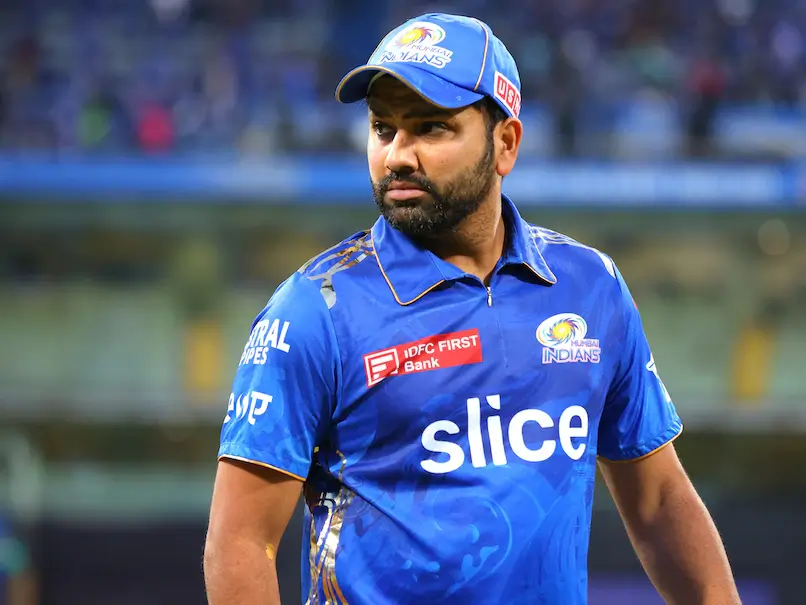
India’s ODI transition has sparked constant speculation. Leadership changes, format focus, and future planning dominate conversations. In that noise, assumptions often replace facts. Recent comments from Sitanshu Kotak offer clarity.
Kotak made it clear that Rohit Sharma and Virat Kohli are deeply involved in planning. They regularly exchange ideas with Gautam Gambhir, the head coach. These discussions are not ceremonial. They shape India’s ODI thinking.
Far from being distant seniors, Rohit and Kohli are invested professionals. Their focus stretches toward South Africa and the 2027 World Cup. What follows is a deeper look at why their involvement matters.
Table of Contents
ToggleSenior Players as Strategic Thinkers, Not Just Performers
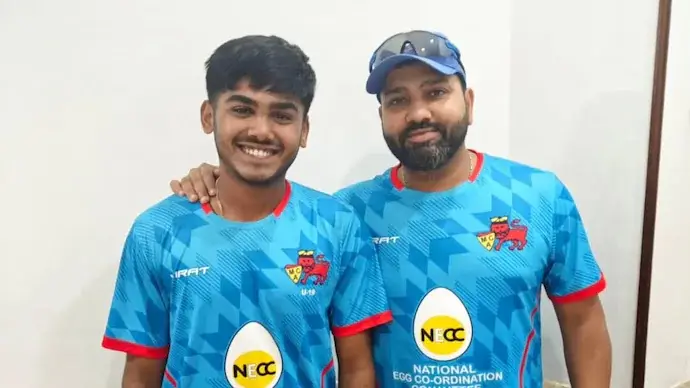
Experience in international cricket reshapes perspective. Rohit and Kohli no longer view matches in isolation. They think in cycles, conditions, and long-term patterns. Kotak’s comments clearly underline this shift.
Their discussions are not limited to batting plans. They cover venues, schedules, and preparation windows. This level of involvement reflects ownership, not entitlement. Both players understand their limited-format focus.
Senior players often read situations that data cannot. They anticipate pressure points early. Their feedback helps management avoid reactive decisions. That value increases with experience.
India’s ODI setup benefits from this shared thinking. Planning becomes layered rather than linear. The dressing room gains direction. This is leadership through collaboration.
Why Communication With Gambhir Matters More Than Perception?
Public narratives often exaggerate friction. Kotak dismissed suggestions of communication gaps firmly. He emphasized constant dialogue between the seniors and the coach. That reality contradicts social media noise.
Gambhir’s coaching style values clarity and honesty. Rohit and Kohli respond well to direct conversations. Their exchanges are rooted in mutual respect. Differences, if any, are handled internally.
This communication ensures alignment. Tactical ideas flow both ways. Experience meets fresh thinking. That balance strengthens decision-making.
Teams fail when leadership operates in silos. India appears to be avoiding that trap. Open dialogue keeps planning grounded. Kotak’s presence during these discussions adds transparency.
One-Format Focus Has Sharpened Rohit and Kohli’s Approach
Playing only ODIs has changed preparation methods. Rohit and Kohli now plan bodies, workloads, and form peaks carefully. Kotak highlighted how self-aware they have become.
They understand recovery cycles deeply. Practice schedules are customised, not generic. Fitness planning aligns with match intensity. This professionalism sets benchmarks for younger players.
Their limited-format focus also sharpens intent. Each ODI carries higher importance. There is no spillover from other formats. That clarity enhances performance consistency.
India gains from this focused preparation. Senior players arrive mentally fresh. Their readiness influences team standards. The approach reflects maturity, not retreat.
South Africa 2027 Is Already on the Radar
Kotak confirmed that South Africa features in the current planning. Conditions, venues, and timelines are being discussed early. This forward thinking reduces future surprises.
Rohit and Kohli bring valuable insights here. Both have toured South Africa extensively. They understand bounce, pace, and pressure there. Their experience shapes realistic expectations.
Early planning allows tailored preparation blocks. Batting techniques, fitness loads, and squad balance can be refined. Such foresight separates contenders from hopefuls.
World Cups are not won in the final year. They are built gradually. India’s early conversations suggest seriousness. Senior involvement strengthens that foundation.
Practice Planning Reflects Professional Autonomy
Kotak highlighted another crucial aspect. Rohit and Kohli decide when to arrive early for practice. They assess personal needs honestly. No reminders are required.
This autonomy reflects trust and discipline. The team management does not micromanage them. Instead, it collaborates. That environment fosters accountability.
Young players observe these habits closely. Preparation becomes a personal responsibility. Standards rise organically. Leadership sets the tone silently.
Such professionalism reduces friction. Clear expectations replace enforcement. India benefits from this mature ecosystem. Experience drives culture forward.
Sharing Experience With Younger Players Adds Invisible Value
Beyond personal preparation, Rohit and Kohli actively share ideas. Kotak emphasised this aspect clearly. Their discussions extend to younger teammates.
These exchanges often happen informally. Match situations, mental routines, and tactical awareness are discussed. This mentorship accelerates learning.
Young batters gain clarity faster. Mistakes reduce over time. Confidence builds through shared experience. This transfer of knowledge strengthens depth.
India’s ODI future depends on this bridge. Senior players act as guides, not gatekeepers. Their involvement ensures continuity across generations.
Retirements Have Not Reduced Their Commitment
Speculation around their Test retirements created confusion. Kotak’s comments counter that narrative. Commitment has not diminished.
Rohit and Kohli remain deeply invested in India’s success. Their focus is sharper, not reduced. Playing fewer formats has increased accountability.
They understand their roles clearly now. Each appearance carries responsibility. That clarity fuels preparation and involvement.
India gains leaders who choose purpose over volume. Commitment is measured through action, not format count. Kotak’s insights reinforce this truth.
What This Means for India’s ODI Stability?
Clear communication stabilizes teams. Senior involvement aligns vision. India’s ODI setup benefits from this structure.
Planning becomes proactive rather than reactive. Decisions carry collective ownership. Pressure moments feel familiar due to preparation.
Rohit and Kohli are not obstacles to transition. They are anchors within it. Their presence provides continuity during change.
Kotak’s comments reveal a calm, connected dressing room. For India, that may be the biggest advantage heading toward 2027.