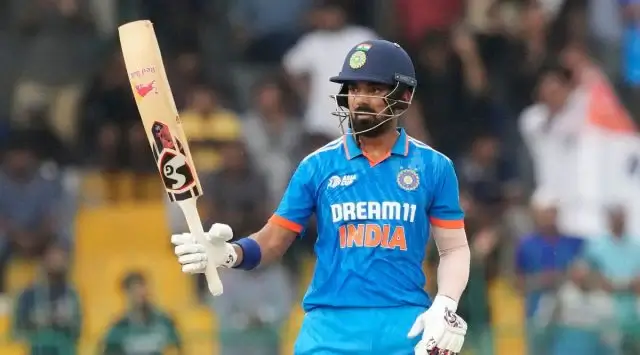
India’s ODI selections often reveal a familiar pattern. The focus drifts toward balance, match-ups, and theoretical flexibility rather than role clarity. Batting positions shift from series to series, sometimes match to match. In that constant churn, certainty becomes the biggest casualty.
Few players embody this uncertainty more than KL Rahul. He has batted everywhere without resistance, quietly adapting to the team’s needs. His numbers have remained steady despite shifting expectations. Yet the one position that suits him best, No. 5, has never truly been locked in.
ODI cricket rewards defined roles more than clever experiments against teams like Bangladesh. Middle-order batting demands calm, context, and control. Rahul offers all three naturally. India’s reluctance to commit says more about indecision than performance.
Table of Contents
ToggleThe No. 5 Role Is About Judgment, Not Brute Force
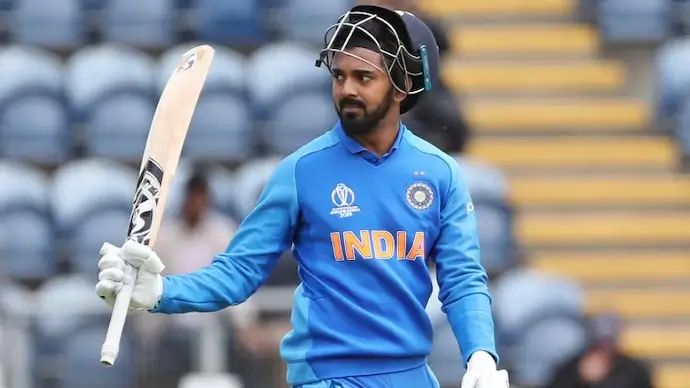
Batting at No. 5 is less about dominance and more about decision-making. The batter rarely walks in under ideal conditions, often facing pressure immediately after taking the plate. Rahul’s game is built for that uncertainty, relying on awareness rather than impulse. He understands when survival matters and when acceleration becomes necessary.
Unlike top-order batters, he does not assume time at the crease. Unlike finishers, he cannot wait endlessly for the last ten overs. Rahul operates in the hardest window of an ODI innings. His ability to absorb early pressure protects the rest of the lineup.
He values partnerships over personal milestones. Singles, strike rotation, and calm communication define his middle overs. That control prevents collapses from becoming disasters. Few Indian batters offer this blend consistently.
Modern ODIs need stability before firepower. Rahul supplies that stability without slowing momentum. That balance makes No. 5 his natural home.
Rajkot Was a Lesson in Middle-Order Responsibility
The Rajkot surface looked dry and comfortable before the match. Early movement beneath the surface quickly altered that assumption. India’s top order collapsed in rare fashion, leaving the innings vulnerable. The situation demanded restraint, not aggression.
Rahul responded with composure and discipline. He chose patience while wickets fell around him. Risk stayed minimal until security arrived. Only then did the boundaries begin to flow.
That unbeaten century did more than lift the scorecard. It restored structure to a failing innings. India reached a competitive total because one batter understood timing perfectly.
Such innings rarely grab attention when results go wrong. But they define reliable ODI teams. Rahul’s knock was not an exception. It was a reminder.
Why Rahul Complements Strong Starts Better Than Anyone?
When India’s top order dominates, Rahul fades into the background. That invisibility is intentional and valuable. He rotates strike, keeps pressure low, and allows aggressive partners freedom. The innings flows without disruption.
He never competes for spotlight during big partnerships. Ego does not dictate his tempo. That selflessness stabilizes middle phases. India’s best totals often follow this rhythm.
Strong starts still need controlled transitions. Rahul manages that shift seamlessly. He prevents momentum from collapsing between overs fifteen and thirty-five. Few batters handle that phase better.
Removing him from No. 5 creates unnecessary friction. His presence simplifies batting dynamics. Clarity replaces chaos.
Rahul’s Real Value Appears During Collapses
Every great ODI side needs a damage controller. Rahul plays that role instinctively. Early wickets do not rush him into errors. Instead, they sharpen his focus and discipline.
He treats time as an asset, not a burden. Dot balls early do not unsettle him. His scoring range expands naturally once pressure eases. That transition defines elite middle-order batting.
Many Indian batters struggle with this shift. Rahul embraces it calmly. His method remains intact across conditions. That consistency saves matches quietly.
Collapse management rarely earns headlines. But tournaments are won through it. Rahul’s value lies precisely there.
Why All-Rounder Logic Falls Short at No. 5?
India’s preference for all-rounders comes from flexibility. They add bowling insurance and late hitting depth. But flexibility does not equal certainty. Middle-order stability still requires a specialist.
At No. 5, runs matter more than options. A batting collapse cannot be repaired by theoretical balance. Rahul offers guaranteed composure. All-rounders benefit more batting around him.
Modern ODI totals demand one anchor before acceleration. Rahul fulfills that role without sacrificing strike rate. Depth works best when built on stability.
Replacing assurance with versatility often backfires. India has seen that repeatedly. The order looks strongest with Rahul fixed at five.
Numbers Support Rahul When Context Is Applied
Statistics rarely tell full stories without context. Rahul’s ODI numbers improve with responsibility. Since 2025, his average and strike rate reflect modern intent. Many innings remain unbeaten, signaling control.
Failures are scattered, not habitual. His returns hold across venues and conditions. These numbers arrive despite constant role changes. Stability could elevate them further.
Middle-order batting metrics differ from opening roles. Rahul excels within those demands. He balances risk better than most. That balance shows in outcomes.
Ignoring these patterns risks repeating mistakes. Data supports clarity. Rahul’s record demands trust.
Fixing Rahul at No. 5 Simplifies Everything Else
Constant reshuffling disrupts preparation and confidence. Batters need role clarity to plan innings. Rahul has endured uncertainty longer than most. That limits peak performance.
Fixing him at No. 5 simplifies selection logic. All-rounders slot naturally around him. The batting order gains shape and purpose. Communication becomes clearer.
Great ODI teams commit early to roles. They refine, not reinvent. India must adopt that mindset again. Rahul offers the anchor they already possess.
Trusting him is not emotional thinking. It is competitive pragmatism backed by evidence. India simply needs to stop moving the solution it already has.